
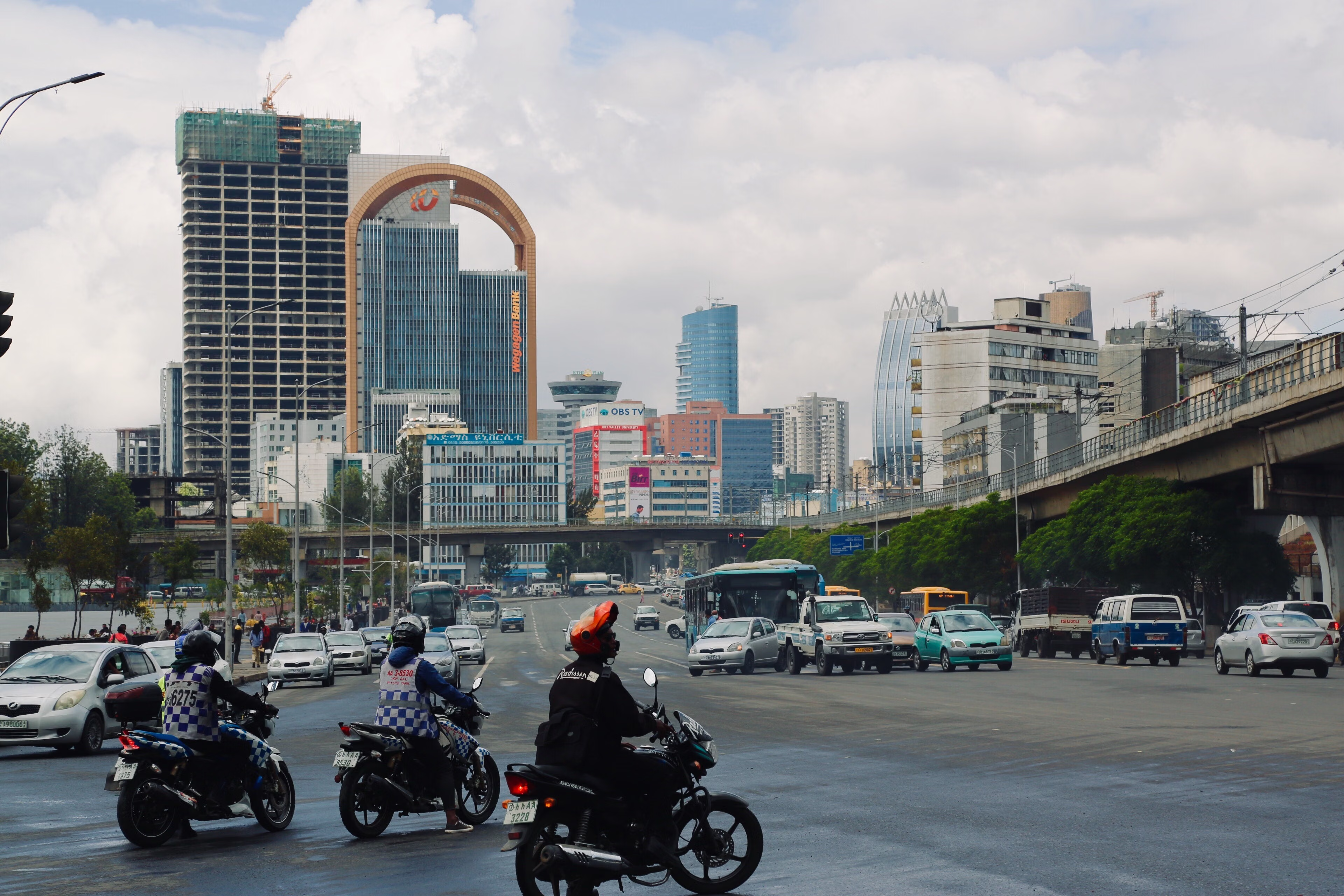
Introducing the study, the presenters reported that rapid urbanization is placing increasing pressure on food systems across many African cities. They explained that the rapid growth of urban populations has resulted in overcrowded settlements where limited land and water resources make conventional food production increasingly difficult. According to the researchers, these challenges are particularly evident in informal settlements such as Kibera in Nairobi, which occupies only 2.1 square kilometres while accommodating an estimated 120,000 residents. They noted that such high population density leaves very little space for household food production and intensifies competition for scarce natural resources.
The researchers further reported that urban food insecurity has been aggravated by repeated disruptions to food supply systems. They explained that recent experiences, including the COVID-19 pandemic, armed conflicts, and climate-related weather shocks, have exposed the vulnerability of urban food supply chains. At the same time, high levels of underemployment in urban areas have reduced household purchasing power, making it increasingly difficult for families to access nutritious food. According to the presenters, these combined pressures underscore the urgent need for innovative, affordable, and sustainable approaches to urban agriculture.
Turning to the objectives of the study, the research team explained that the first objective was to investigate the impact of Climate Smart Gardens (CSGs) on household food and nutrition security. They described climate-smart gardens as a practical solution designed specifically for densely populated urban environments where land is extremely limited.
According to the presenters, a single climate-smart garden consists of a four-tier vertical structure that occupies only one square metre of land. Despite requiring such a small space—equivalent to approximately 0.003 acres of planting area—the system can accommodate up to 90 vegetable plants, compared with only about 16 plants grown using conventional gardening methods on a similar area. They reported that each garden is capable of producing up to five kilograms of vegetables every week for approximately three consecutive months, thereby providing households with a regular supply of fresh vegetables.
The researchers emphasized that the technology is also highly affordable and durable. They reported that installing one climate-smart garden costs approximately 25 US dollars, while the structure has an expected lifespan of about ten years. According to the presenters, these characteristics make climate-smart gardens particularly suitable for low-income urban households seeking cost-effective ways to improve their access to nutritious food.
The second objective of the study, the presenters explained, was to examine whether combining climate-smart gardens with Black Soldier Fly Frass Fertilizer (BSFFF) could further enhance household food and nutrition security. They described this intervention as an example of a circular economy approach, in which organic waste is recycled into valuable agricultural inputs.
Explaining the technology, the researchers reported that Black Soldier Flies (BSF) produce a nutrient-rich organic fertilizer known as frass, which results from the insects' natural composting process. According to the presenters, black soldier fly-assisted composting is considerably faster and more efficient than conventional composting methods because it accelerates nutrient recycling while minimizing waste.
The research team further explained that black soldier fly frass fertilizer contains very low levels of harmful pathogens and chemical contaminants, making it environmentally safe for agricultural use. They reported that the fertilizer improves soil quality, enhances crop productivity, and strengthens plant health by naturally suppressing several important plant pathogens. According to the presenters, integrating this fertilizer into climate-smart gardening systems has the potential to increase vegetable production while simultaneously promoting environmentally sustainable waste management practices.
The researchers also highlighted the role of innovative sanitation systems in supporting the circular economy model. They explained that technologies such as Fresh Life Toilets, which safely collect and process organic waste, can contribute to sustainable nutrient recycling by providing feedstock for black soldier fly composting systems. According to the presenters, linking sanitation, waste management, insect-based composting, and urban agriculture creates an integrated system that simultaneously addresses environmental sustainability and food security.
Describing the research methodology, the presenters reported that the study employed a randomized controlled experimental design involving 900 households divided equally into three groups.
They explained that the control group, comprising 300 households, received neither climate-smart gardens nor black soldier fly frass fertilizer. This group served as the comparison against which the effectiveness of the interventions could be measured.
The first treatment group, also consisting of 300 households, received only the Climate Smart Garden (CSG) intervention. According to the researchers, this allowed the study to isolate the effects of vertical gardening on household food production and nutrition.
The second treatment group, comprising another 300 households, received both the Climate Smart Garden and Black Soldier Fly Frass Fertilizer. The presenters explained that this combined intervention enabled the research team to determine whether integrating organic fertilizer with climate-smart gardening produced greater improvements in food and nutrition security than climate-smart gardening alone.
Throughout the presentation, the researchers emphasized that the study represents an innovative application of circular economy principles to address urban food insecurity. They argued that by transforming organic waste into high-quality fertilizer and combining it with space-efficient food production technologies, cities can simultaneously reduce waste, improve environmental sustainability, and increase household access to nutritious food.
The research team stated that the study seeks to generate rigorous evidence on scalable, climate-smart agricultural solutions capable of improving food security in rapidly growing urban settlements. They suggested that if proven effective, the combined use of climate-smart gardens and black soldier fly frass fertilizer could offer policymakers and urban planners a practical, affordable, and environmentally sustainable strategy for strengthening food and nutrition security among vulnerable urban populations.
Continuing their presentation, the research team outlined the implementation timeline of the experiment and explained how the impact evaluation was conducted. They reported that the study began in May 2023 with the identification and sampling of eligible households from selected enumeration areas. According to the presenters, this initial phase ensured that the study captured a representative sample of urban households living in densely populated settlements.
The researchers explained that the baseline survey was conducted in June 2023, during which detailed information was collected on participating households before any interventions were introduced. They reported that households were then randomly assigned to one of the three experimental groups—the control group, the Climate Smart Garden (CSG) group, or the Climate Smart Garden combined with Black Soldier Fly Frass Fertilizer (CSG+BSFFF) group—to ensure that the impacts observed could be attributed to the interventions rather than to pre-existing household differences.
According to the presenters, the treatment phase was implemented between June and July 2023, when climate-smart gardens were installed and households assigned to the second treatment group also received black soldier fly frass fertilizer. They explained that the endline survey was conducted in November 2023, approximately four months after implementation, allowing the research team to assess the short-term effects of the interventions on household food security, nutrition, and economic wellbeing.
Presenting the baseline characteristics of participating households, the researchers reported that the study ultimately included 901 households. They explained that the average household experienced relatively high levels of food insecurity before the intervention, recording an average Food Insecurity Experience Scale (FIES) score of 7.33 out of 10, with nearly 75 percent of households experiencing food insecurity. They further noted that dietary diversity was generally low, while average household expenditure on vegetables and food reflected the economic constraints faced by residents of informal urban settlements. According to the presenters, only a small proportion of households were already practicing climate-smart gardening prior to the intervention, making the experimental evaluation particularly valuable.
The presenters then described the analytical approach used to estimate programme impacts. They reported that the study employed an Ordinary Least Squares (OLS) regression model using post-treatment data to estimate the effects of the two interventions. The researchers explained that the statistical model compared food security, nutrition, and household welfare outcomes across the treatment and control groups. According to the presenters, the analysis estimated the independent effects of climate-smart gardens alone as well as the combined impact of climate-smart gardens and black soldier fly frass fertilizer.
Turning to the main findings, the research team reported that both interventions produced significant improvements in household food security. They explained that households receiving only Climate Smart Gardens experienced an improvement in food security of approximately 11 percent across the full sample. When climate-smart gardens were combined with Black Soldier Fly Frass Fertilizer, the improvement increased to approximately 15 percent, indicating that the integrated circular economy approach generated greater benefits than gardening alone.
The presenters further reported that the interventions had particularly strong effects among female-headed households. According to the findings, food security improved by approximately 19 percent among female-headed households that received both climate-smart gardens and black soldier fly frass fertilizer, compared with smaller but still meaningful improvements among male-headed households. The researchers suggested that female-headed households may benefit disproportionately because urban farming directly enhances household access to nutritious food while reducing reliance on market purchases.
Discussing dietary diversity, the presenters reported that the interventions also increased the variety of foods consumed by participating households. They explained that households receiving climate-smart gardens demonstrated an improvement of approximately 6 percent in dietary diversity, while those receiving both climate-smart gardens and frass fertilizer achieved gains of approximately 9 percent. According to the researchers, these findings indicate that increased household vegetable production translated into more diversified and nutritionally balanced diets.
The presenters also highlighted several important secondary outcomes. They reported that household food insecurity declined by between 7 and 10 percent following the interventions. At the same time, household food production increased substantially, rising by between 42 and 53 percent compared with households in the control group. The researchers explained that increased production enabled many households to rely less on purchasing vegetables from local markets.
Reflecting these changes, the presenters reported that household expenditure on vegetables decreased dramatically, falling by between 51 and 78 percent after the interventions. According to the research team, this reduction represents significant financial savings for low-income urban households while simultaneously improving access to fresh vegetables. Once again, they noted that these benefits were particularly pronounced among female-headed households.
The researchers then presented the results of the benefit-cost analysis. They explained that the average value of vegetables harvested from a climate-smart garden during one production cycle was estimated at approximately 28 US dollars. They reported that the principal costs included installation of the garden, water, labour, land use, and, for the second treatment group, the cost of black soldier fly frass fertilizer. According to the presenters, total production costs amounted to approximately 23.90 US dollars for climate-smart gardens alone and 24.20 US dollars for the combined intervention.
Despite these production costs, the researchers reported that both interventions generated positive financial returns. They explained that the average net benefit per production cycle was approximately 4.10 US dollars for climate-smart gardens and 3.80 US dollars for the combined climate-smart garden and frass fertilizer intervention. This translated into benefit-cost ratios of 1.17 and 1.16, respectively, indicating that the economic benefits exceeded programme costs. On an annual basis, households could expect net financial gains of approximately 12.30 US dollars from climate-smart gardens alone and 11.40 US dollars from the combined intervention.
Summarizing the study's findings, the research team concluded that urban agriculture based on Climate Smart Gardens and Black Soldier Fly Frass Fertilizer significantly improved household food security in densely populated urban settlements. They argued that applying circular economy principles by recycling organic waste into nutrient-rich fertilizer offers an environmentally sustainable approach to increasing vegetable production while improving household nutrition.
The presenters further concluded that the integrated approach demonstrated considerable potential for strengthening urban food systems, particularly in space-constrained environments where conventional farming is not feasible. They emphasized that the strongest improvements were consistently observed among female-headed households, suggesting that urban farming interventions can also contribute to reducing gender inequalities in food access and household wellbeing.
In their policy recommendations, the researchers urged governments, development partners, and urban planners to integrate climate-smart gardening and black soldier fly frass fertilizer into urban food security programmes. They argued that these technologies provide practical and affordable solutions for increasing household food production in land-constrained urban settlements while promoting environmental sustainability through circular economy principles. Finally, they emphasized that expanding urban agriculture initiatives can simultaneously improve food security, strengthen household resilience to economic and climate-related shocks, and advance gender equality by disproportionately benefiting women-led households.