Ethiopian Development Research Institute
EDRIEstablished in 1999 as a premier development research institution dedicated to evidence-based policy research for Ethiopia's growth.
19 years of service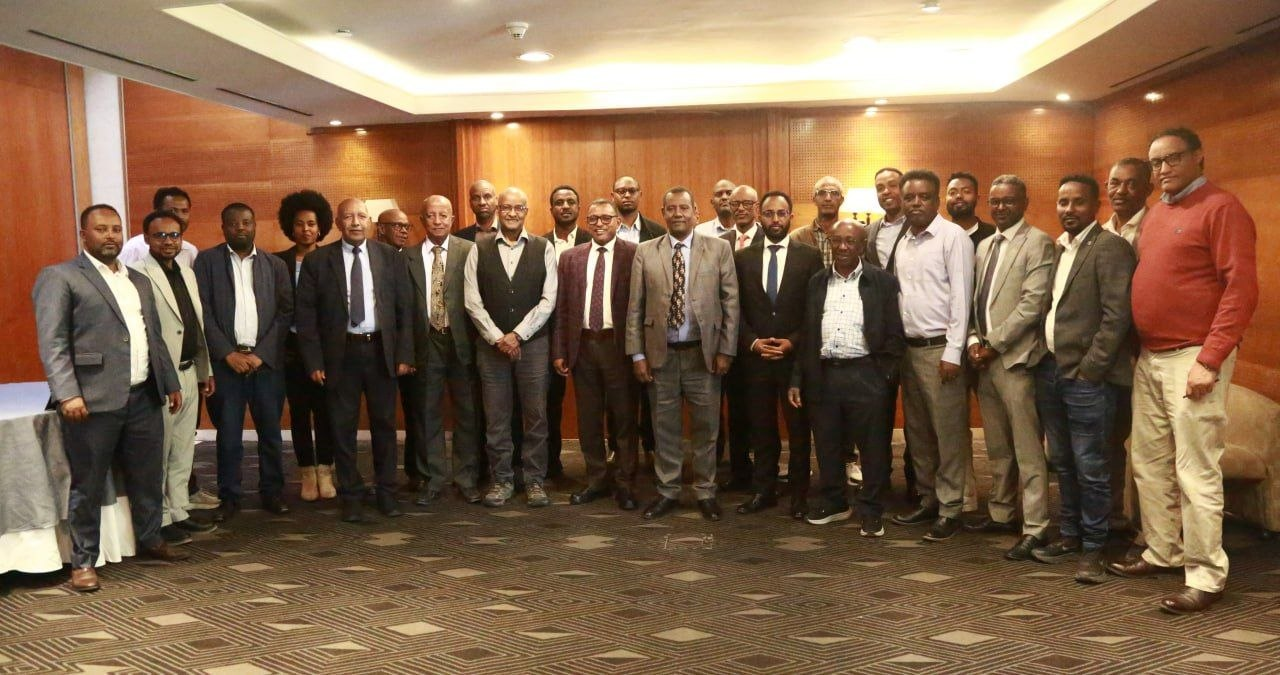
Two leading Ethiopian policy research institutions merged in November 2018 to form one unified national think tank.
Two leading Ethiopian policy research institutions merged in November 2018 to form one unified national think tank.
Established in 1999 as a premier development research institution dedicated to evidence-based policy research for Ethiopia's growth.
19 years of serviceA single national think tank generating high-quality evidence and strategic policy advice for sustainable development.
Founded as a specialized center for policy studies, strategic analysis and national development planning support.
12 years of serviceThe Policy Studies Institute (PSI) was established in November 2018 as a unified national policy research institution through the merger of EDRI and PSRC.
PSI serves as Ethiopia's national think tank, dedicated to rigorous evidence generation, strategic advisory work, sustainable development support and institutional capacity building.
About PSI
The Institute is guided by public value, rigorous evidence, policy relevance and institutional learning.
To become a leading policy research institute that supports Ethiopia development through trusted evidence and practical policy insight.
To conduct rigorous research, generate policy options, strengthen institutional capacity and support evidence-informed public decisions.
Scientific integrity, public value, responsiveness, collaboration, transparency and commitment to national development.
About PSI
PSI conducts objective research, policy analysis, advisory work and knowledge exchange to support Ethiopia development decisions.
01 Policy Research
The Policy Research pillar is the core of the Institute's mandate, generating high-quality, evidence-based research that informs national development policies and public decision-making. Through rigorous quantitative and qualitative analysis, PSI examines Ethiopia's economic, social, environmental, governance, and institutional challenges to produce practical policy recommendations.
The Institute conducts multidisciplinary research, impact evaluations, baseline and end-line studies, policy diagnostics, and strategic assessments that support government institutions, development partners, academia, and other stakeholders in designing effective policies and programmes.
02 Advocacy
PSI serves as a national platform for translating research evidence into policy dialogue and public action. The Institute promotes knowledge sharing, stakeholder engagement, and constructive dialogue among government institutions, development partners, civil society, academia, the private sector, and the wider public.
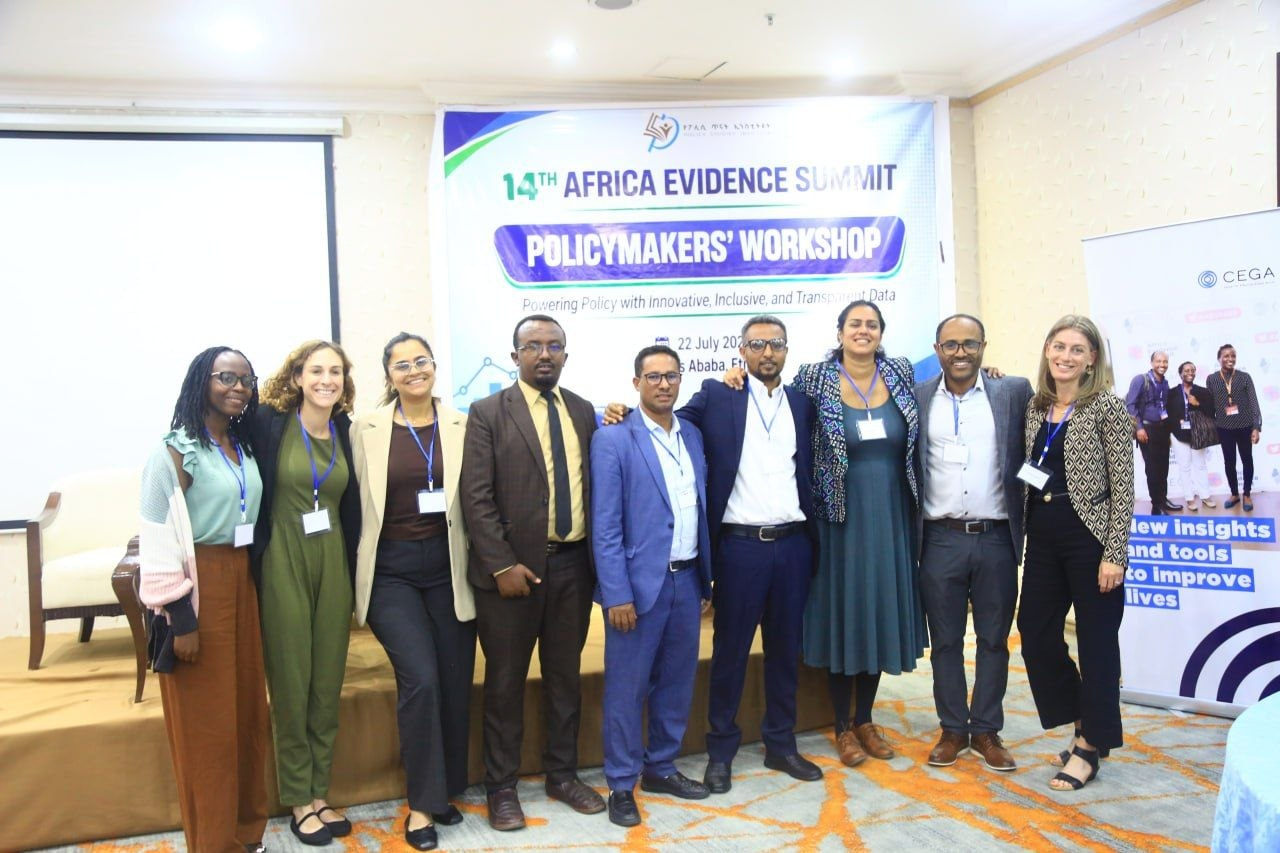
Through conferences, policy forums, seminars, workshops, publications, and digital platforms, PSI ensures that research findings are accessible, understandable, and effectively integrated into policy formulation and implementation.
03 Capacity Building
PSI is committed to strengthening the analytical, technical, and institutional capacities required for evidence-based policymaking. The Institute designs and delivers professional training, mentoring, technical assistance, and organizational development programmes for government agencies, universities, research institutions, and development organizations.
Its capacity-building initiatives enhance research skills, policy analysis, monitoring and evaluation, data management, leadership, and institutional performance to support sustainable national development.
04 Policy Consultancy
PSI provides independent, high-quality consultancy services to public institutions, development partners, international organizations, non-governmental organizations, and the private sector. The Institute offers expert advice grounded in scientific research and extensive policy experience to address complex development challenges.
Consultancy services include policy formulation, strategic planning, institutional reform, programme evaluation, socio-economic studies, feasibility assessments, regulatory analysis, and organizational performance improvement. Every engagement is designed to deliver practical, evidence-based solutions that support effective decision-making and sustainable development outcomes.
Research Centers
Policy Study Cluster
Leads policy research on macroeconomics, finance, trade, industry, urban systems, infrastructure, agriculture and rural development.
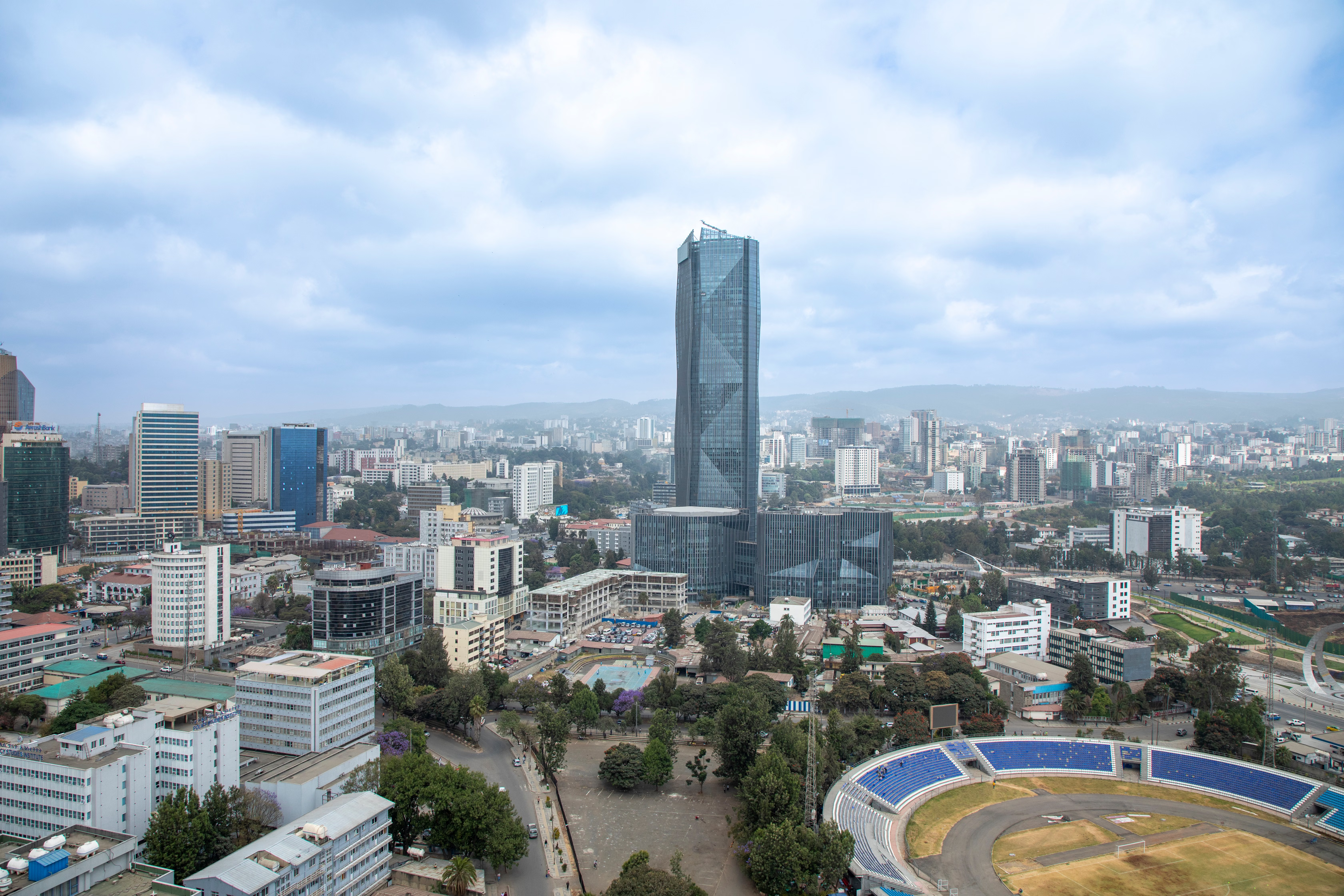
Examines macroeconomic stability, financial systems, public finance, trade policy and regional integration.
View Center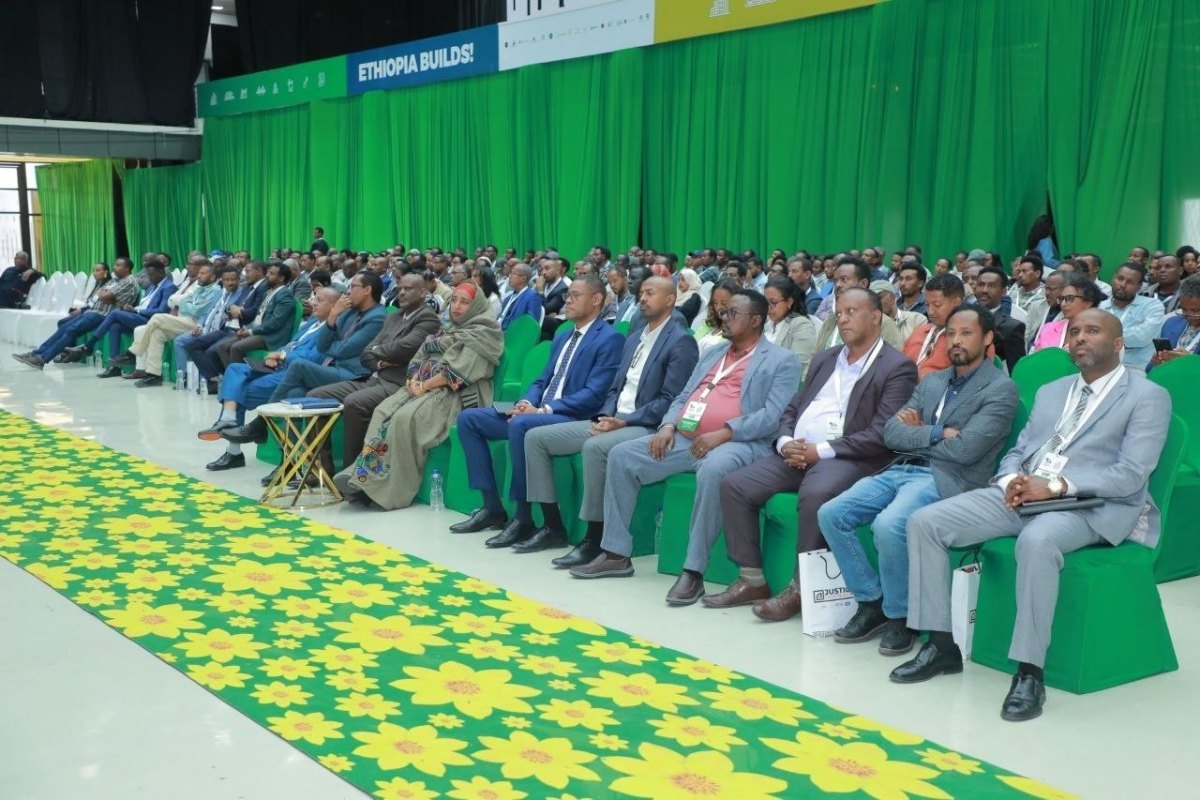
Analyzes industrial transformation, manufacturing, urban development, infrastructure and productivity policy questions.
View Center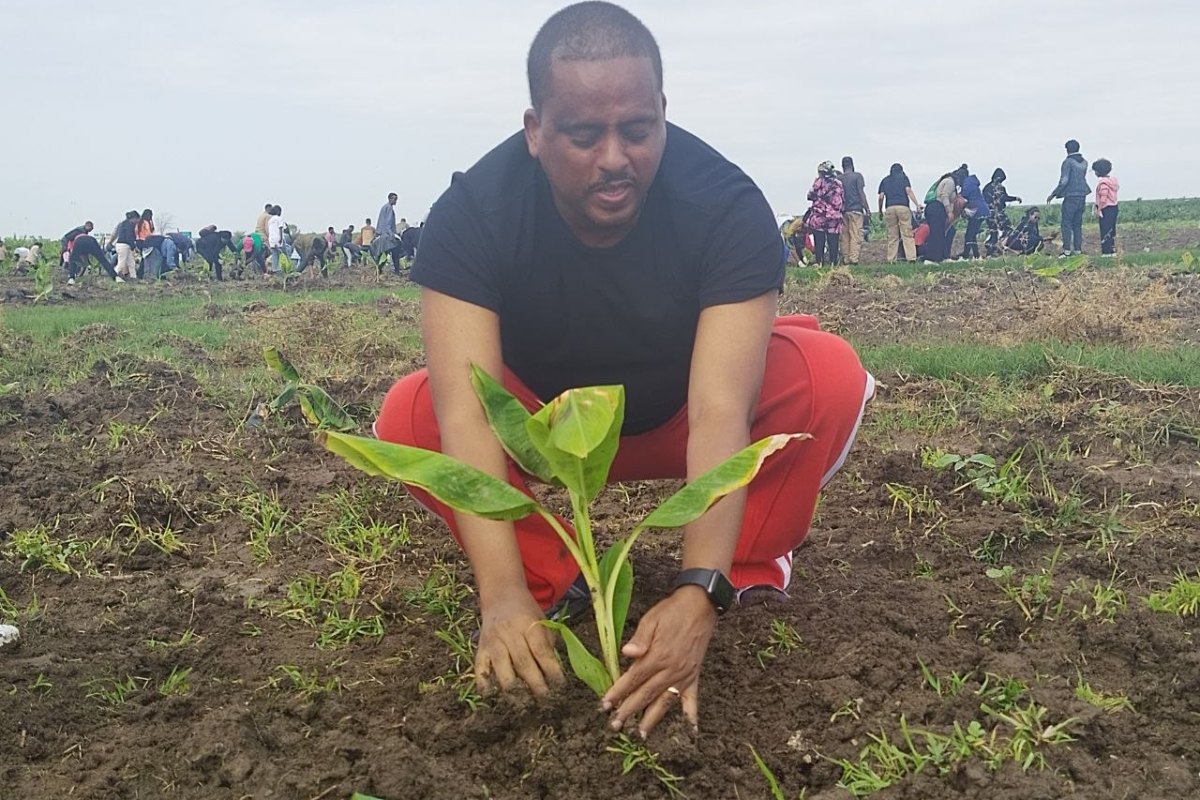
Generates evidence on agricultural development, food systems, rural livelihoods, environment and climate change.
View CenterPolicy Study Cluster
Supports research on social development, poverty, human capital, women, children, youth, good governance, federalism, democracy, rule of law, environment and climate policy.
Studies social development, poverty reduction, income distribution, education, health and human resource policy.
View Center
Focuses on federalism, democracy, rule of law, institutional development, governance and public-sector reform.
View Center
Generates evidence on green and renewable development, environmental pollution, climate change adaptation and resilience.
View CenterInstitutional Arrangement
PSI is organized around research centers, knowledge management, data systems and institutional support directorates.
Provides strategic leadership, coordination and institutional direction.
Strategic oversight, institutional coordination and leadership support.
Human resources, finance, procurement, technology infrastructure and general services.
Macroeconomic, finance, trade, digital economy, industry, urban, infrastructure, tourism, agriculture and rural development policy analysis.
Social development, poverty, human capital, good governance, federalism, democracy, rule of law, environment and climate policy research.
Researchers
Explore researcher profiles, education levels, thematic expertise and policy engagement areas.