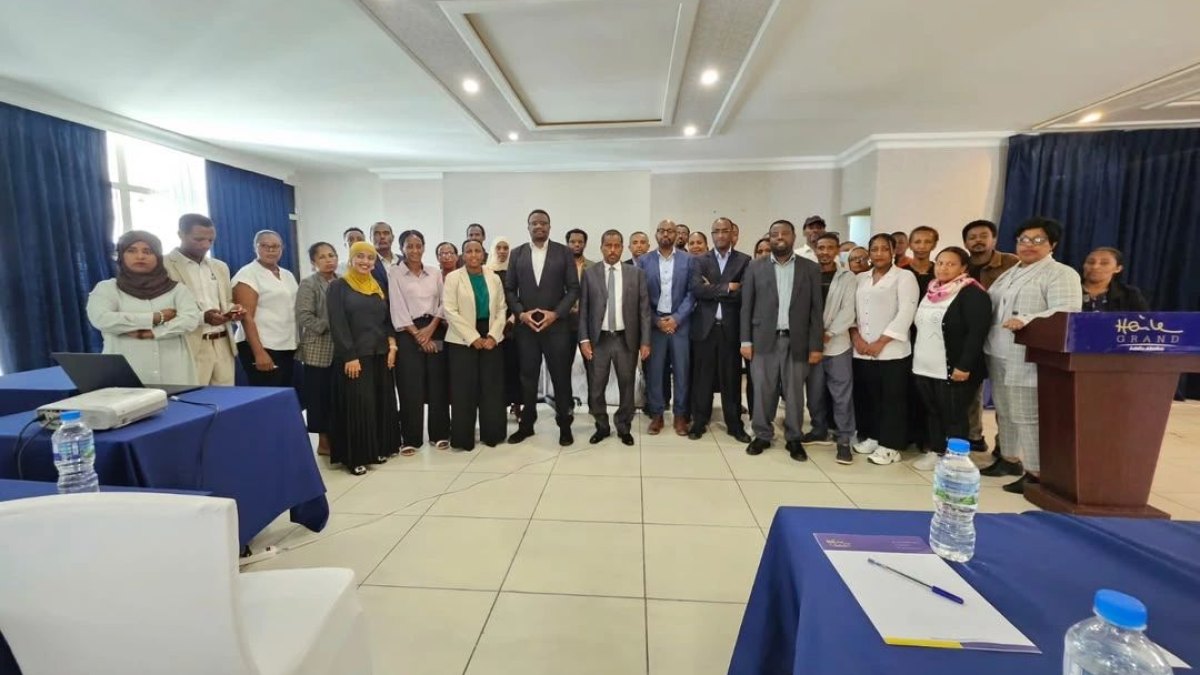

The Policy Studies Institute (PSI) and Habitat for Humanity Ethiopia (HFHE) have renewed their Memorandum of Understanding (MoU) in a signing ceremony held on November 10, 2026, at the premises of PSI in Addis Ababa. The renewed agreement reaffirms the commitment of both institutions to strengthening their partnership and advancing research, policy engagement, and practical interventions aimed at addressing Ethiopia's housing challenges.
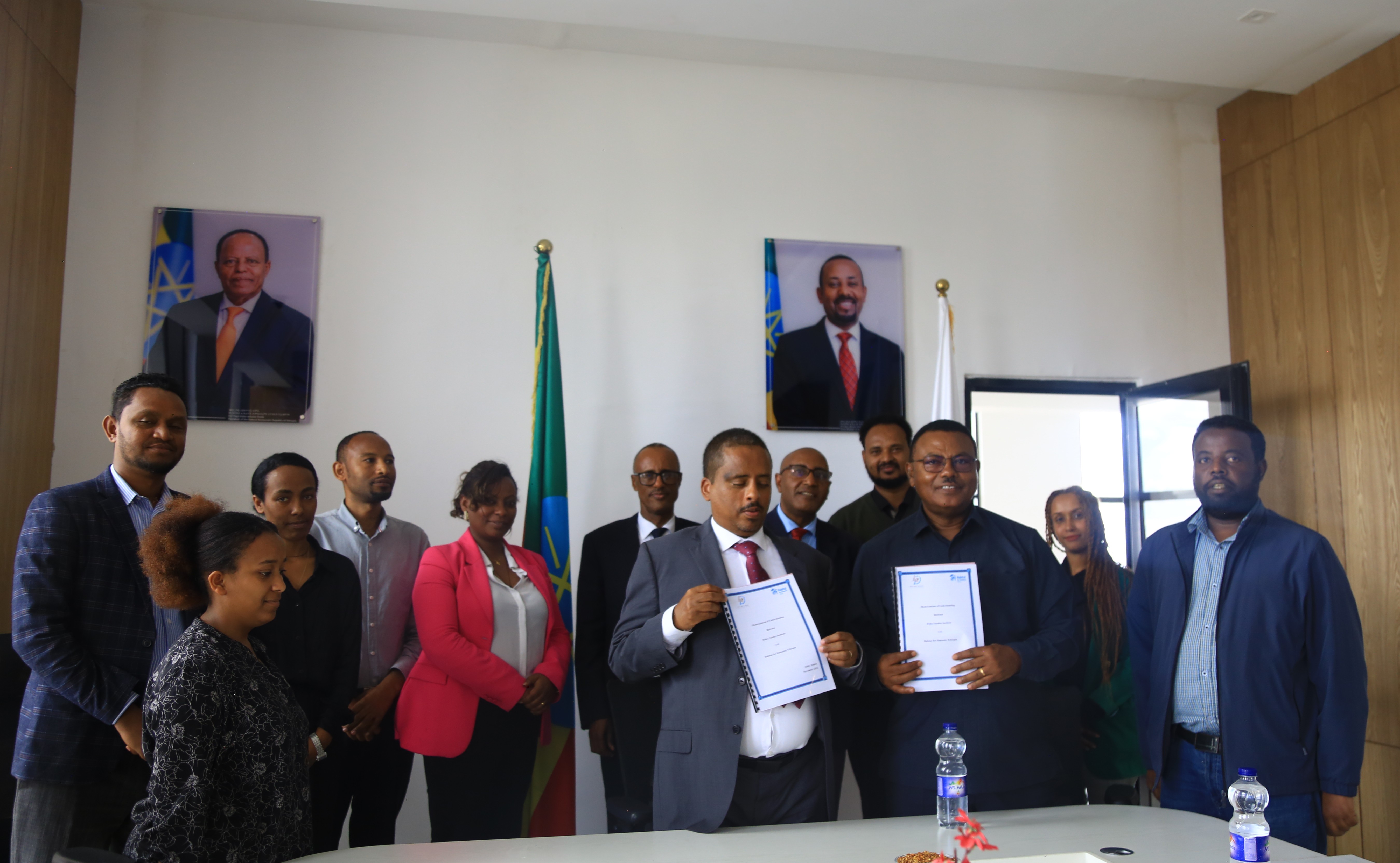
The signing ceremony brought together senior officials and representatives of both institutions, who reflected on the achievements of their longstanding collaboration and discussed strategic priorities for the next phase of their partnership. The discussions highlighted the importance of strengthening evidence-based policymaking, promoting affordable and adequate housing, improving housing finance, and addressing the broader social, economic, and environmental dimensions of housing development.
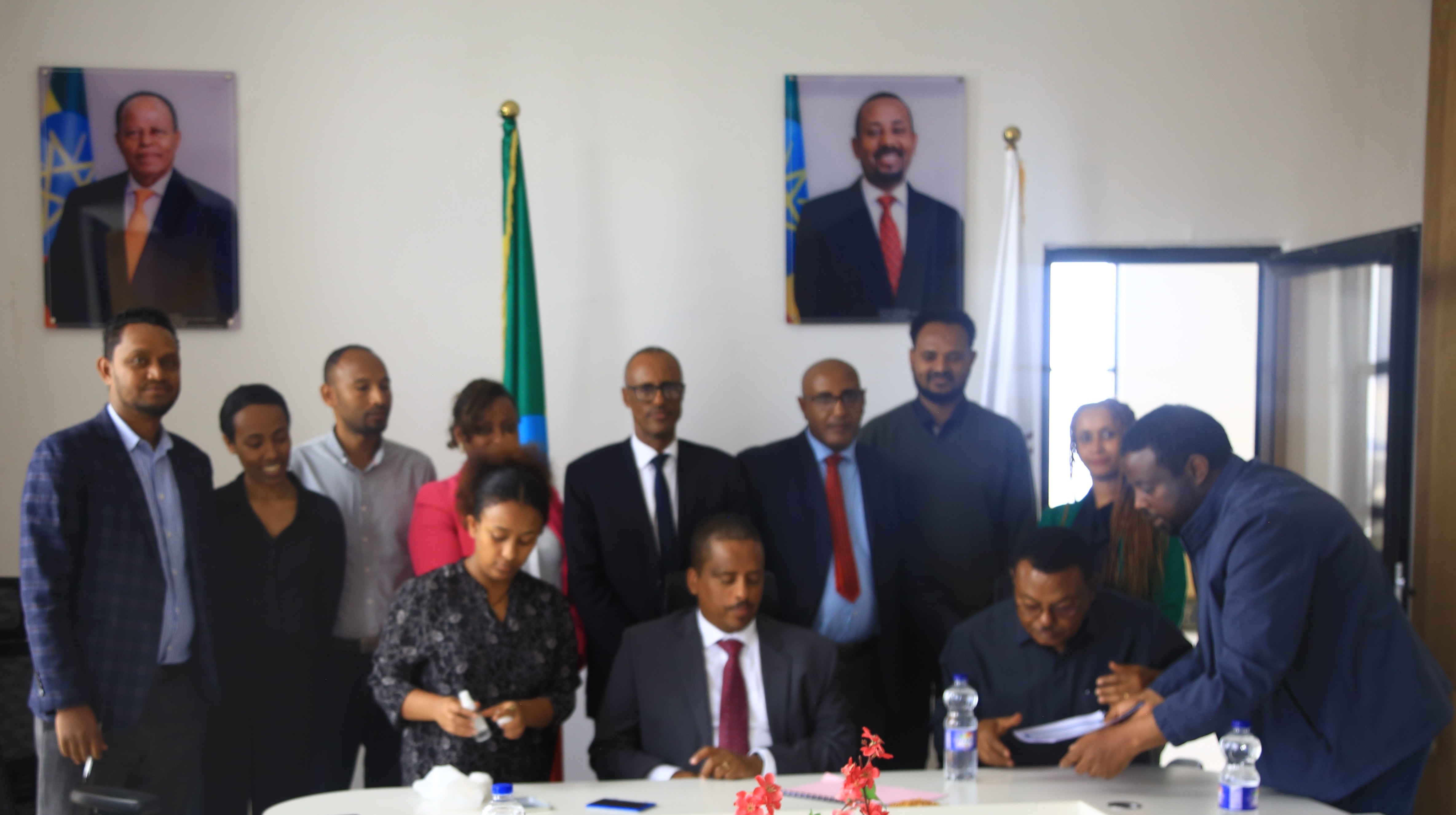
Speaking at the occasion, H.E. Fekadu Tsega, Director General of PSI, warmly welcomed the HFHE delegation and appreciated the organization's continued partnership and tangible contributions to improving the living conditions of vulnerable communities. He particularly acknowledged HFHE's support in providing engineers and participating in a joint field visit to the site where the two institutions had collaborated to construct a house for a person in need. He described such practical interventions as meaningful expressions of institutional partnership and commended HFHE for translating its commitment into tangible support for disadvantaged members of society.
H.E. Fekadu emphasized that both institutions shared a common responsibility towards their country and its citizens. He noted that, despite their different institutional mandates, they were united by a common goal of contributing to national development and improving the quality of life of citizens. He further underscored the importance of ensuring that the renewed MoU would lead to meaningful collaboration and practical outcomes.
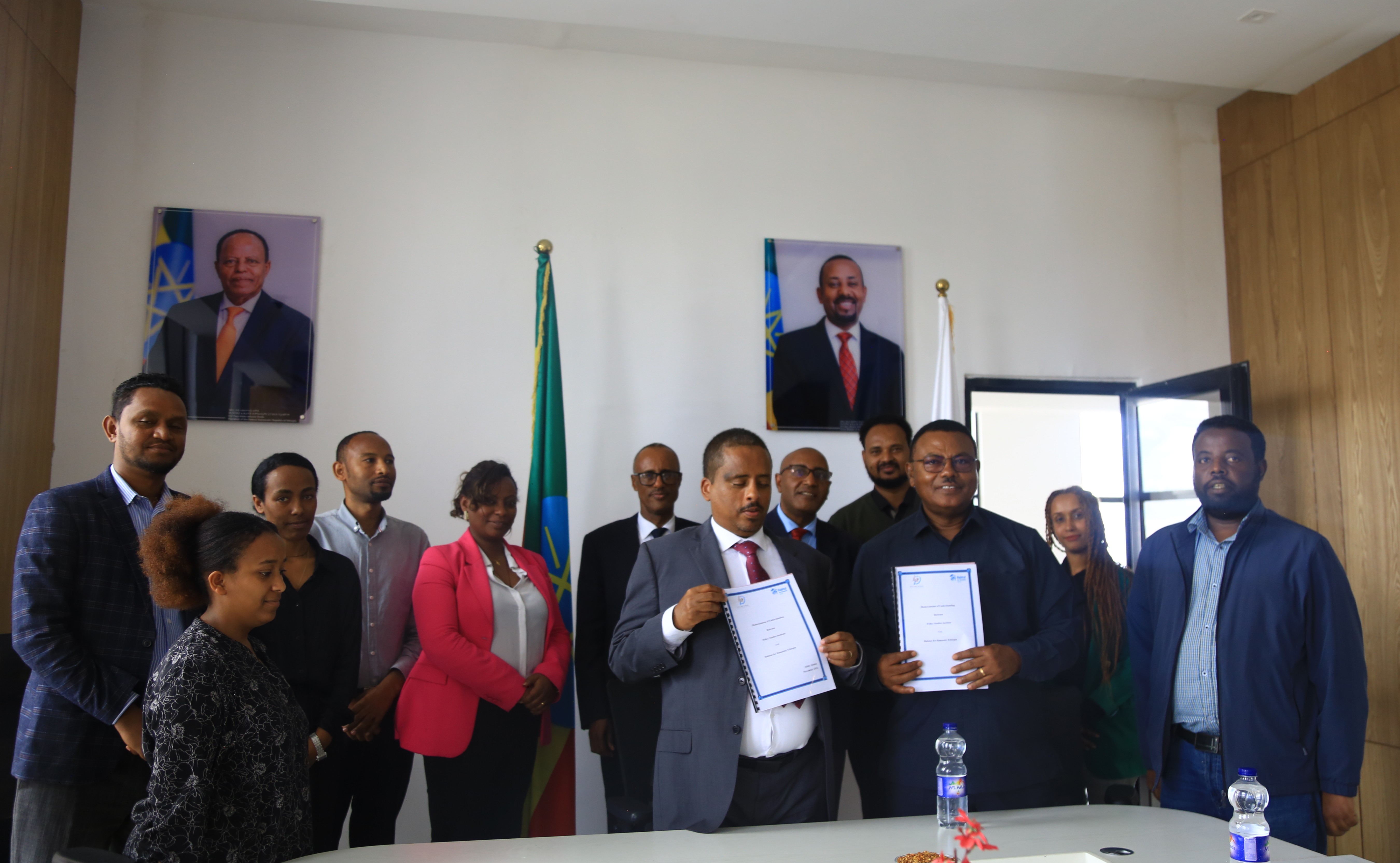
H.E. Fekadu Tsega expressed his appreciation for the organization's valuable contributions, particularly for providing engineers and visiting the site where PSI and HFHE had jointly constructed a house for a person in need. He commended HFHE for its tangible support to vulnerable communities and emphasized the importance of the actionable Memorandum of Understanding (MoU) signed between the two institutions.
He further noted that all stakeholders shared one country and a common responsibility to work towards its development. He emphasized that their ultimate goal was to improve the lives and well-being of citizens through meaningful collaboration and practical interventions. Finally, he wished both institutions a productive and successful working year.
Next, Mr. Yitna Tekaligne, National Director and Representative to the African Union, noted that the Policy Studies Institute (PSI) was one of the leading institutions collaborating with them on meaningful and impactful activities. He highlighted the significant research undertaken jointly, particularly studies examining how housing contributes to improving people’s quality of life. He recalled that one of the key recommendations from the research was the establishment of a housing fund, which was subsequently incorporated into the new Housing Policy.
He also recalled the preparation of a housing symposium several years ago, during which they contacted the late Professor Beyene Petros, then Director General of PSI, late at night to invite him to participate. Despite the late hour, Professor Beyene had assured them that he was available, and the symposium was successfully held.
Mr. Yitna further explained that their collaboration had involved various advocacy activities and task force engagements. He noted that the forum had developed and issued 38 recommendations. He also acknowledged that their efforts to promote joint funding had made some progress and expressed optimism that the two institutions would strengthen this collaboration and pursue more joint funding opportunities in the future.
Finally, he emphasized that signing the Memorandum of Understanding (MoU) should not be considered an end in itself, but rather the beginning of concrete collaboration. He stressed the importance of developing a clear action plan following the signing and ensuring that the agreed activities were translated into practical actions and implemented on the ground stating that all the habitat offices in ethiopia , the region and the world work for the same mission.
Next, Mr. Solomon Tilahun, researcher at PSI, presented an overview of the renewed partnership between the Policy Studies Institute and Habitat for Humanity Ethiopia (HFHE), highlighting the achievements of their first Memorandum of Understanding (MoU), the rationale for its renewal, and the key areas of cooperation for the 2026–2029 period.
He explained that PSI, established in 2018 through the merger of the Ethiopian Development Research Institute (EDRI) and the Policy Studies and Research Centre (PSRC), is a federal research institution mandated to undertake policy research, analysis, advisory services, capacity building, and knowledge dissemination. He also noted that Habitat for Humanity Ethiopia has been operating in the country since 1993 as part of a global network working in more than 70 countries, with a particular focus on improving access to pro-poor housing for vulnerable households. He emphasized that the partnership brings together PSI's policy research and evidence-generation capacity with HFHE's practical experience in community-based housing interventions to promote effective, evidence-based housing policies in Ethiopia.
Regarding the history of the partnership, he recalled that the first MoU was signed in June 2022 and its three-year term ended in May 2025. The second MoU was being renewed in November 2026 to strengthen and expand the existing collaboration. He indicated that, during the implementation of the first MoU, the two institutions successfully completed two research studies commissioned by HFHE and collaborated on the Stand for Her Land initiative.
He identified the two completed research studies as The Impact of Home Ownership on the Quality of Life of Households and Investigating Barriers to Access and Usage of Housing Finance in Ethiopia. He further highlighted PSI's active participation in the National Coalition for Stand for Her Land, noting that the advocacy initiative had contributed to important developments, including the establishment of the Ethiopian Mortgage Reinsurance Company and the endorsement of a Stand-Alone Housing Policy.
Turning to the renewed partnership, he outlined six major areas of cooperation stipulated under Article 3 of the MoU. These included joint research on housing, land governance, and climate-resilient housing; policy dialogue on evidence-based housing and land policies; capacity building through training, peer learning, and skills exchange; knowledge exchange through data, publications, seminars, and workshops; the organization of the National Housing Forum as a platform for research dissemination and policy dialogue; and the implementation of joint projects based on mutually agreed written work plans.
He also introduced two new areas of collaboration intended to broaden the partnership. These included the development of initiatives focusing on small and medium-sized enterprises (SMEs) in the construction sector and informal settlements. He explained that the institutions were also pursuing a joint funding proposal and working towards establishing a National Housing Consortium to advance housing policy in Ethiopia.
In elaborating on the proposed National Housing Consortium, he noted that its establishment would build on the existing National Housing Forum and the shared ambition of creating a centre of excellence for affordable and climate-resilient housing. He indicated that the consortium's bylaws were being prepared and would undergo consultation before adoption. He further explained that the National Housing Forum would continue serving as a platform for research dissemination and policy dialogue, while the proposed consortium would provide a broader institutional framework for advancing the national housing agenda.
Regarding the implementation arrangements of the renewed MoU, he highlighted several key provisions. He explained that the agreement would remain in effect for three years from the date of signature and could be terminated by either party through 60 days' written notice. The two institutions would also be required to designate their respective focal persons within 30 days of signing the agreement. Furthermore, any joint activities or projects would require separate written agreements between the parties.
He outlined four immediate steps required to operationalize the renewed partnership. These included confirming the revised MoU text and authorized signatories, designating institutional focal persons and establishing a coordination mechanism, agreeing on the lead applicant and respective institutional roles for the proposed FID funding proposal, and finalizing the National Housing Consortium's bylaws and consultation plan.
In conclusion, he underscored the importance of strengthening institutional collaboration to advance evidence-based housing policies and improve access to decent housing for all citizens in Ethiopia. He expressed the expectation that the renewed partnership would provide a stronger foundation for joint research, policy engagement, knowledge exchange, and practical interventions in the housing and urban development sector.
Next, Mr. Adem Allo, Policy and Advocacy Manager at Habitat for Humanity Ethiopia , appreciated Solomon’s comprehensive and exhaustive presentation, noting that it had provided a broad understanding of the key issues and priorities in the housing sector. He emphasized the importance of expanding the Housing Forum by incorporating more than eight additional organizations as members to scale up its activities. He explained that bringing more organizations into the forum would help reduce fragmentation, strengthen coordination, and enhance institutional capacities and skills.
He recalled that, during previous deliberations, the issue of rental housing had been briefly raised. However, he noted that it had now become an important agenda item requiring greater attention. He also indicated that they were considering developing a comprehensive housing project addressing the housing challenges in the Gamo area.
Mr. Adem further stressed that housing should be understood as part of the broader climate agenda, while housing finance should remain a key area of focus. He highlighted the importance of involving small and medium-sized enterprises (SMEs), describing them as engines of economic development that had not been adequately accommodated in the housing sector. He explained that their participation would serve two purposes: strengthening their technical skills and creating opportunities for their meaningful engagement in housing development. He emphasized that SMEs should be integrated into the housing agenda without compromising quality standards.
He also underscored the need to link housing development with the land tenure system, arguing that land and housing issues should not be treated separately. He stressed that access to housing should go beyond the mere provision of physical structures and should take into account the circumstances and needs of the people who live in them.
Furthermore, Mr. Adem emphasized the importance of engaging young people in housing initiatives and strengthening the Housing Forum to enhance its effectiveness. He noted that the issue had already been raised with Her Excellency the Minister and stressed the need to sustain and strengthen the initiative.
During the discussion, representatives of both institutions highlighted the achievements of their previous partnership, particularly joint research and policy engagement on housing and its contribution to improving people's quality of life. They recalled that one of the important recommendations emerging from their collaborative research was the establishment of a housing fund, which was subsequently incorporated into the new Housing Policy. This was presented as an example of how research-based recommendations could inform national policy and contribute to addressing critical development challenges.
The discussions also emphasized the importance of broadening the scope and membership of the Housing Forum by bringing additional organizations on board. Participants noted that expanding the forum's membership would strengthen coordination among stakeholders, reduce fragmentation, facilitate knowledge and skills exchange, and create a more effective platform for addressing housing-related challenges. The need to give greater attention to rental housing, housing finance, land tenure, climate considerations, and the engagement of small and medium-sized enterprises (SMEs) was also highlighted.
Participants further underscored the importance of involving young people and strengthening the participation of SMEs in the housing sector. They noted that SMEs could play a significant role in housing development while benefiting from opportunities to improve their technical capacities and professional skills. They also stressed that housing should be approached comprehensively, recognizing the close relationship between land, housing, livelihoods, and the well-being of communities.
The representatives also highlighted the importance of strengthening joint advocacy, task force engagement, resource mobilization, and collaborative funding initiatives. They acknowledged the progress made through previous joint efforts and expressed their interest in exploring additional opportunities for resource mobilization and joint project implementation.
Both institutions emphasized that the renewed MoU should go beyond a formal agreement and serve as a practical framework for delivering results. They agreed on the importance of developing a joint action plan that clearly identifies priority activities, institutional responsibilities, implementation timelines, and expected outcomes to ensure that the commitments made are translated into concrete activities on the ground.
The renewal of the MoU marks another important step in the partnership between PSI and HFHE. Through this renewed commitment, the two institutions aim to strengthen their cooperation in research, policy dialogue, advocacy, capacity development, and practical housing initiatives, contributing to more inclusive, affordable, and sustainable housing development in Ethiopia.
Following the discussions and remarks by the representatives of both institutions, the Memorandum of Understanding (MoU) signing ceremony took place, marking an important milestone in the continued partnership between the Policy Studies Institute (PSI) and Habitat for Humanity Ethiopia (HFHE). During the ceremony, the two institutions formally renewed their previously signed MoU, reaffirming their shared commitment to strengthening institutional collaboration and advancing evidence-based policies and practical interventions in Ethiopia's housing and urban development sectors.
The renewed agreement reflected the mutual understanding that addressing the country's housing challenges requires sustained cooperation, coordinated efforts, research-based policy recommendations, resource mobilization, and the active engagement of relevant stakeholders. Both institutions recognized the importance of building on the achievements and lessons of their previous partnership while identifying new areas of collaboration responsive to emerging housing needs and development priorities.
The renewed MoU provides a framework for strengthening joint research, policy dialogue, advocacy, knowledge exchange, capacity development, and the implementation of practical initiatives. Particular emphasis was placed on translating research findings and policy recommendations into tangible interventions that improve housing access, affordability, quality, and the overall living conditions of citizens.
The representatives of both institutions also underscored that the signing of the MoU should serve as the beginning of a renewed phase of practical cooperation rather than merely a formal institutional commitment. They emphasized the need to develop a joint action plan with clearly defined activities, responsibilities, timelines, and expected outcomes to ensure effective implementation and measurable results.
The ceremony concluded with both parties expressing their commitment to strengthening the partnership, expanding opportunities for joint initiatives and resource mobilization, and working together towards sustainable and inclusive housing development in Ethiopia.