
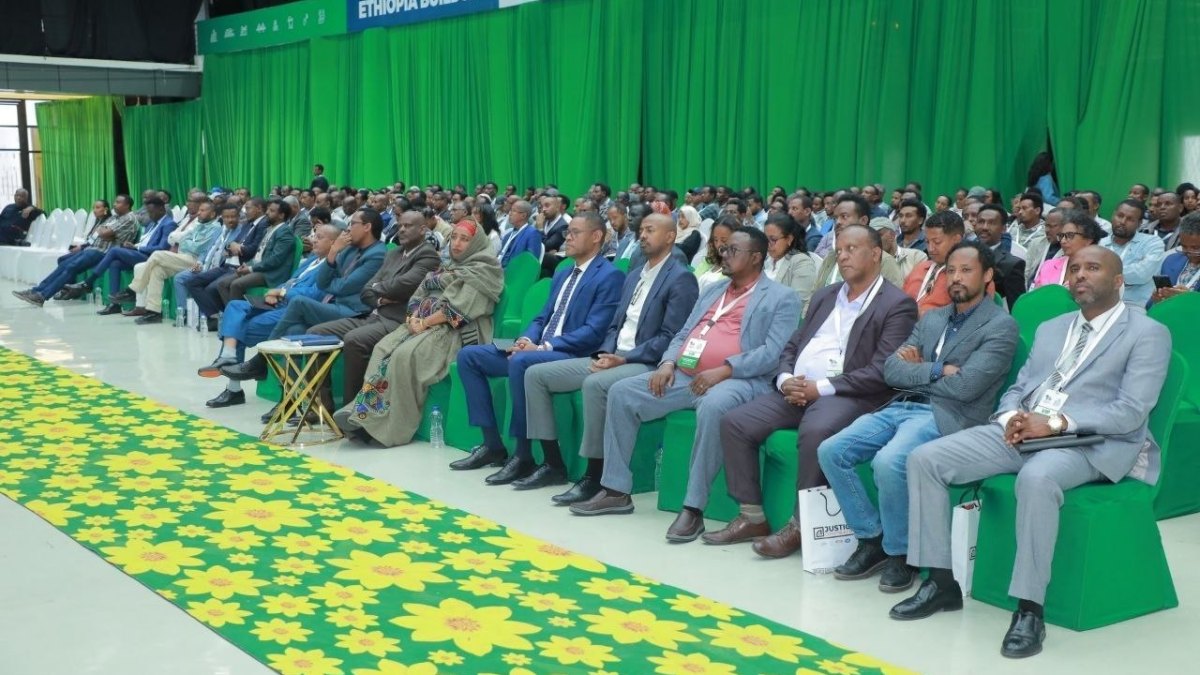
A presentation titled “Research to Real Change: Fast-Tracking Policy for Adolescent Health” brought together researchers, policymakers, practitioners, and academic experts to discuss how evidence on adolescent health can be translated more rapidly and effectively into public policy and practical interventions. The presentation was delivered by Dr. Augustina Mensa-Kwao of the Johns Hopkins Bloomberg School of Public Health, Dr. Adesola Olumide of the Institute of Child Health at the University of Ibadan, Dr. Nicola Jones, Director of Gender and Adolescence: Global Evidence (GAGE) at ODI, Zekarias Desalegn of Ethiopia’s Ministry of Women and Social Affairs, Workneh Yadete of Quest Consulting, and Dr. Kassahun Tilahun, Assistant Professor at the Centre for Human Rights, Addis Ababa University.
The presenters emphasized that the central challenge was no longer simply generating information about adolescents, but ensuring that research findings were transformed into decisions, programmes, and systems that improved young people's lives. They framed the discussion around the progression from visibility to evidence and ultimately to action, arguing that good data make young people visible, evidence helps decision-makers understand their circumstances, and policy and practice determine whether that knowledge produces meaningful change.
The presenters explained that the process of creating change begins with visibility. They argued that reliable data are essential for identifying who adolescents are, what challenges they face, and, importantly, which groups are being left behind. Without adequate data, vulnerable or marginalized adolescents can remain invisible within national statistics and policy discussions.
The second stage was described as transforming data into evidence. While data provide information about the situation of young people, evidence helps researchers and policymakers understand what is working, what is not working, why particular interventions succeed or fail, and which groups are benefiting or being excluded. The presenters stressed that evidence therefore provides the analytical foundation for informed decision-making.
However, they noted that there remains a significant gap between evidence generation and its use by policymakers. Evidence does not automatically reach decision-makers, nor does the publication of a research finding necessarily lead to changes in policy or practice. This disconnect was identified as the research-to-policy gap.
The presenters argued that closing this gap requires deliberate engagement among researchers, policymakers, programme implementers, civil-society organizations, and young people themselves. They emphasized that evidence needs to be communicated in ways that are accessible and relevant to decision-makers and should be connected to the institutional, financial, and political realities in which policies are implemented.
The presentation highlighted the unprecedented demographic significance of the current adolescent generation. The presenters noted that the world is experiencing the largest generation of adolescents in human history. They explained that declining fertility rates and ageing populations mean that this demographic group is unlikely to be surpassed in size by another adolescent generation in the foreseeable future.
The presenters argued that this demographic reality creates both an enormous opportunity and an urgent policy responsibility. Decisions made about adolescent health, education, employment, rights, and well-being today will influence not only the current generation but also the societies they will build as adults.
The Ethiopian context was presented as particularly important. The presenters noted that approximately 33 percent of Ethiopia's population is between the ages of 10 and 24. This large youth population means that investments in adolescent health and well-being are directly connected to Ethiopia's future social and economic development.
The presenters introduced the concept of a “triple dividend” to explain why investments in adolescents have benefits that extend across generations. They argued that investment in today's 10–24-year-olds can generate benefits at three different levels. First, it improves the health, education, opportunities, and well-being of adolescents themselves. Second, those adolescents will eventually become adults whose health, skills, productivity, and economic participation will influence national development. Third, the benefits will extend to the next generation because healthier and better-educated adults are more likely to raise healthier, better-supported children.
In this sense, investment in adolescents was presented not simply as an expenditure on a particular age group but as a long-term investment in human capital and intergenerational well-being.
The presenters emphasized that this triple dividend makes adolescent health an issue relevant to many sectors, including health, education, employment, social protection, gender equality, justice, and economic development.
The presentation outlined a five-stage pathway through which research can contribute to social change. The first stage involves generating data about young people. The presenters acknowledged that important information already exists, but stressed that data alone are insufficient to generate change.
The second stage involves turning data into evidence. Researchers need to analyze information rigorously to determine what is happening, identify patterns and inequalities, evaluate interventions, and establish what approaches are effective.
The third stage is the research-to-policy gap. Even high-quality evidence can have limited impact if policymakers do not receive it at the right time, if it is communicated in inaccessible ways, or if it does not address the questions that policymakers are facing.
The fourth stage involves policy and practice. Policies and programmes determine how resources are allocated and how institutions, services, and environments affecting young people are organized. Evidence must therefore become part of policy decisions, programme design, budgeting, implementation, and monitoring.
The final stage is meaningful change. The presenters explained that the ultimate objective of research is not simply to produce reports or academic publications but to contribute to better decisions and improved outcomes for young people.
They consequently emphasized that the research-to-policy process should be understood as a continuous pathway rather than a linear process ending with publication.
The presenters stressed that closing the gap between research and policy requires collaboration across different groups.
Researchers were encouraged to engage with policymakers from the beginning of the research process rather than approaching them only after a study had been completed. Policymakers, in turn, were encouraged to communicate the evidence needs and practical questions facing their institutions.
Implementers were seen as particularly important because they understand the practical challenges of translating policies into programmes. Their experience can help researchers understand why interventions succeed in some contexts but fail in others.
The presenters also emphasized the importance of young people's participation. Adolescents should not merely be treated as research subjects or recipients of programmes. Their experiences, priorities, and perspectives should inform research questions, intervention design, implementation, and evaluation.
They argued that bringing these groups together could help ensure that research addresses real-world problems and that evidence is available when policy decisions are being made.
The presentation also referred to the second Lancet Commission on adolescent health and wellbeing, which builds on the earlier 2016 Lancet Commission.
The presenters explained that the current Commission examines the opportunities and challenges confronting today's adolescents and calls for a series of specific and multisectoral actions to safeguard and promote adolescent health and well-being.
The Commission was presented as an important contribution to the global discussion about adolescent health because it recognizes that the challenges facing adolescents cannot be addressed by the health sector alone.
Issues such as mental health, sexual and reproductive health, education, violence, employment, nutrition, digital environments, gender inequality, climate change, and social protection are interconnected. Consequently, the presenters argued that governments need coordinated approaches that bring different sectors together.
The presenters emphasized that adolescent health should be approached through a multisectoral framework. Health ministries and health institutions have important responsibilities, but many of the factors determining adolescent well-being lie outside the health sector.
Education systems, for example, influence adolescents' knowledge, skills, social relationships, and future employment opportunities. Social-protection systems can reduce economic vulnerability, while justice systems can protect adolescents from violence and exploitation. Employment and economic policies can determine whether young people have opportunities to transition successfully into adulthood.
The presenters therefore called for greater coordination between government ministries, development partners, researchers, civil-society organizations, communities, and young people. A central message of the presentation was that the time to act on adolescent health is now. The presenters argued that postponing investment would carry significant long-term costs because adolescence represents a critical period in which health behaviours, social relationships, educational trajectories, and opportunities for adulthood are established.
They emphasized that the investments made in the current generation of adolescents will influence not only their individual futures but also the future of families, communities, economies, and societies.
The presentation therefore echoed the broader message of the Lancet Commission that decisions made today will shape both human and planetary futures. The presentation concluded that the challenge for adolescent health is not simply a lack of information. Rather, one of the most pressing challenges is ensuring that existing and emerging evidence is translated into effective policy, programmes, and practice.
The presenters argued that the pathway from visibility to evidence and from evidence to action must be strengthened. Good data should identify who is being left behind; rigorous research should explain what works and why; policymakers and implementers should use that evidence to design better programmes; and young people should be active participants throughout the process.
They emphasized that the current generation of adolescents represents an unprecedented opportunity for investment. In Ethiopia, where approximately one-third of the population is between 10 and 24 years of age, effective investment in adolescent health and well-being could generate substantial benefits for the country's future.
Ultimately, the presentation called for a shift from simply producing research to actively translating research into real change. By strengthening collaboration between researchers, policymakers, practitioners, and young people, the presenters argued that evidence can be transformed into better decisions, stronger systems, and more equitable futures for adolescents.
The presentation on “Research to Real Change: Fast-Tracking Policy for Adolescent Health” further highlighted the significant gap between the growing recognition of adolescent health and well-being as a development priority and the level of financial investment actually devoted to it. The presenters argued that although there has been progress in recognizing the importance of adolescents, development assistance for adolescent health and well-being between 2016 and 2021 remained insufficient when measured in terms of investment per adolescent.
They explained that the available resources have not kept pace with the scale and complexity of the challenges facing the world's largest-ever adolescent generation. The limited level of investment was presented as particularly concerning because there is already substantial evidence about interventions that can improve adolescent health, education, protection, and well-being. In other words, the challenge is not simply a lack of knowledge about what works; it is also a question of whether governments and development partners are investing sufficiently in interventions that evidence has already shown to be effective.
The presenters emphasized that inadequate investment creates a major barrier to translating evidence into meaningful change. They noted that policymakers and development partners increasingly recognize adolescents as a distinct population with specific needs, but financial commitments have not yet matched this recognition.
They argued that the central question should therefore be how to change the current trajectory of underinvestment. Rather than continuing with fragmented programmes and limited resources, they called for a new approach that places adolescent health and well-being at the centre of development planning. According to the presenters, this new approach should be based on multisectoral action undertaken in partnership with adolescents and young people themselves.
The presentation proposed multisectoral collaboration as a critical pathway for addressing adolescent challenges. The presenters explained that adolescent health and well-being are influenced by a wide range of factors that cannot be addressed by the health sector alone.
Education, employment, social protection, gender equality, nutrition, mental health, sexual and reproductive health, protection from violence, disability inclusion, and access to social and economic opportunities are all interconnected dimensions of adolescent development.
They therefore argued that governments and development partners need to move beyond isolated sectoral interventions and establish coordinated approaches that address the multiple dimensions of young people's lives.
An equally important element of the proposed approach was meaningful partnership with adolescents and youth. The presenters emphasized that young people should not simply be viewed as beneficiaries of policies and programmes. They should participate in identifying problems, shaping interventions, interpreting evidence, and assessing whether policies are actually responding to their needs.
The presentation reinforced the message that investments in adolescents have consequences far beyond the current generation. The presenters referred to the broader argument of the Lancet Commission that the investments made in today's adolescents will influence both human and planetary futures, making the need for action immediate rather than something that can be postponed.
The presentation then introduced the Gender and Adolescence: Global Evidence (GAGE) research programme as an example of an effort to generate long-term evidence about what works for adolescents and under what circumstances.
GAGE is a longitudinal research programme operating from 2016 to 2026 and designed to examine how adolescents develop and transition through different stages of their lives. The programme seeks to answer a central policy question: what works, for whom, where, and why?
The presenters explained that the research aims to generate evidence that can help governments and development partners better support adolescent girls and boys to maximize their capabilities both during adolescence and later in life.
The programme is particularly important because it follows young people over an extended period rather than examining their circumstances at only one point in time. Longitudinal evidence makes it possible to understand how experiences during early and middle adolescence influence later outcomes.
The presentation highlighted the Ethiopian component of GAGE, which follows approximately 20,000 adolescent girls and boys, described as the largest cohort of adolescents of its kind in the Global South.
The researchers explained that the Ethiopian study uses mixed-methods research, combining quantitative and qualitative approaches to develop a comprehensive understanding of adolescent experiences.
The study follows two major age cohorts. The younger cohort was approximately 10–12 years old at baseline, while the older cohort was approximately 15–17 years old at baseline.
Following these cohorts over time allows researchers to examine how young people progress from early adolescence through middle adolescence and, for the older cohort, toward the transition into adulthood.
The researchers explained that the objective was not simply to measure whether adolescents experience particular outcomes but to understand the factors that shape those outcomes and the interventions that can improve them.
The GAGE research design combines observational longitudinal data with nested programme impact evaluations.
The longitudinal component enables researchers to follow changes in adolescents' lives over time. This makes it possible to examine how changes in education, health, social relationships, economic circumstances, gender norms, and other factors influence adolescent development.
The nested programme evaluations, meanwhile, allow the research team to examine the effects of specific interventions and determine whether particular approaches improve adolescent outcomes.
The presenters emphasized that combining these methods creates a stronger evidence base because it allows researchers to understand both long-term developmental trajectories and the effectiveness of specific interventions. The GAGE programme was also described as using an intersectional approach to sampling and analysis.
The researchers deliberately included groups of young people who are often marginalized or underrepresented in conventional research. These included young people with disabilities, girls who were married as children, internally displaced persons (IDPs), and refugees.
The presenters explained that this approach is important because adolescents are not a homogeneous group. Their experiences differ depending on gender, age, disability, displacement status, marital status, socioeconomic circumstances, location, and other characteristics.
A policy that works for one group of adolescents may not necessarily work for another. Understanding these differences is therefore essential for developing equitable interventions.
The broader GAGE programme covers several countries and contexts, including Ethiopia, Jordan, Palestine, Lebanon, Bangladesh, and Nepal.
The cross-country design allows researchers to compare adolescent experiences across different political, economic, cultural, and institutional environments.
The presenters emphasized that such comparisons can help identify both common challenges facing adolescents globally and context-specific factors that influence whether particular interventions succeed. The Ethiopian GAGE study follows adolescents through several important developmental stages.
The younger cohort began the study at approximately 10–12 years of age and was subsequently followed through early adolescence, middle adolescence, and toward youth.
The older cohort began at approximately 15–17 years of age and was followed into later adolescence and the transition toward early adulthood.
This design enables researchers to study different developmental periods, including the very young adolescent stage, mid-adolescent stage, and the transition from adolescence to early adulthood.
The presenters emphasized that these stages are particularly important because adolescents experience significant changes in physical health, mental health, education, relationships, gender roles, employment aspirations, and independence during this period.
An important feature of the Ethiopian GAGE study is that the adolescents have been followed through a period of significant national and global change. The timeline presented showed that the study began with the launch of GAGE in 2016, followed by baseline data collection in 2017. The younger cohort was approximately 10–12 years old at that point, while the older cohort was approximately 15–17. The research subsequently followed the adolescents through a series of major events that affected Ethiopia and the wider world.
Among these were political unrest in 2016–2017, conflict between Oromia and Somali regions in 2017–2018, and the political and institutional reforms introduced following the appointment of Prime Minister Abiy Ahmed in 2018.
The adolescents were subsequently followed through the COVID-19 pandemic in 2020–2021, the Northern Ethiopia conflict from 2020–2022, and the continuing Amhara regional conflict beginning in 2023.
These events created a particularly valuable but challenging research environment because the young people were exposed to multiple national and global shocks during their formative years.
The researchers explained that the COVID-19 pandemic and the various conflicts in Ethiopia provided important opportunities to examine how major shocks affected adolescent development.
The pandemic disrupted education, restricted mobility, affected household livelihoods, and increased social isolation. For adolescents, school closures and disruptions to social networks were particularly significant because education and peer relationships play central roles in adolescent development.
Conflict created additional challenges, including displacement, insecurity, disruption of education and healthcare, loss of livelihoods, psychological stress, and exposure to violence.
The longitudinal nature of the GAGE study allows researchers to compare adolescent outcomes before and after these major shocks and to examine whether certain groups were disproportionately affected.
The presenters emphasized that one of the major advantages of the GAGE approach was its ability to follow the same young people over time.
Rather than asking only what adolescents experience at a particular moment, longitudinal research can reveal how early experiences shape later outcomes.
For example, researchers can examine whether educational disruption during early adolescence affects later school participation, whether exposure to violence affects mental health over time, or whether social-protection programmes help adolescents recover from economic shocks.
Such evidence can provide policymakers with a better understanding of long-term consequences and potential intervention points. The presentation connected the GAGE experience directly to the broader theme of moving from research to real-world policy change.
The researchers argued that generating evidence is only the first step. The ultimate objective is to ensure that findings are communicated to policymakers and translated into programmes and policies that improve young people's lives.
In the Ethiopian context, the large GAGE cohort provides an important evidence base for understanding the diverse experiences of adolescents and identifying interventions that can strengthen their health, education, protection, economic opportunities, and overall well-being.
The presenters emphasized that evidence should be used not only to identify problems but also to determine what works, for whom, where, and why. The presentation concluded that although there has been progress in recognizing adolescent health and well-being as a development priority, investment remains insufficient relative to the scale of the adolescent population and the challenges it faces.
The presenters called for a new trajectory based on greater investment, multisectoral action, stronger evidence, and meaningful partnerships with adolescents and young people.
The GAGE programme in Ethiopia was presented as an important example of how long-term, mixed-methods research can generate evidence about adolescent development across different stages of life and through major social, political, economic, and environmental shocks.
By following approximately 20,000 Ethiopian adolescents, including marginalized groups such as young people with disabilities, child-married girls, IDPs, and refugees, the programme seeks to provide policymakers with detailed evidence about the realities facing young people and the interventions capable of improving their prospects.
The broader message was that adolescence represents a critical window for investment. With Ethiopia having approximately one-third of its population between the ages of 10 and 24, ensuring that adolescents are healthy, educated, protected, and able to develop their capabilities is essential to the country's future.
The presenters therefore stressed that the goal should no longer be simply to make adolescents visible through data. The objective must be to turn visibility into evidence, evidence into policy, and policy into sustainable improvements in the lives of young people.
The presenters emphasized that the central challenge was no longer simply generating information about adolescents, but ensuring that research findings were transformed into decisions, programmes, and systems that improved young people's lives. They framed the discussion around the progression from visibility to evidence and ultimately to action, arguing that good data make young people visible, evidence helps decision-makers understand their circumstances, and policy and practice determine whether that knowledge produces meaningful change.
The presenters explained that the process of creating change begins with visibility. They argued that reliable data are essential for identifying who adolescents are, what challenges they face, and, importantly, which groups are being left behind. Without adequate data, vulnerable or marginalized adolescents can remain invisible within national statistics and policy discussions.
The second stage was described as transforming data into evidence. While data provide information about the situation of young people, evidence helps researchers and policymakers understand what is working, what is not working, why particular interventions succeed or fail, and which groups are benefiting or being excluded. The presenters stressed that evidence therefore provides the analytical foundation for informed decision-making.
However, they noted that there remains a significant gap between evidence generation and its use by policymakers. Evidence does not automatically reach decision-makers, nor does the publication of a research finding necessarily lead to changes in policy or practice. This disconnect was identified as the research-to-policy gap.
The presenters argued that closing this gap requires deliberate engagement among researchers, policymakers, programme implementers, civil-society organizations, and young people themselves. They emphasized that evidence needs to be communicated in ways that are accessible and relevant to decision-makers and should be connected to the institutional, financial, and political realities in which policies are implemented.
The presentation highlighted the unprecedented demographic significance of the current adolescent generation. The presenters noted that the world is experiencing the largest generation of adolescents in human history. They explained that declining fertility rates and ageing populations mean that this demographic group is unlikely to be surpassed in size by another adolescent generation in the foreseeable future.
The presenters argued that this demographic reality creates both an enormous opportunity and an urgent policy responsibility. Decisions made about adolescent health, education, employment, rights, and well-being today will influence not only the current generation but also the societies they will build as adults.
The Ethiopian context was presented as particularly important. The presenters noted that approximately 33 percent of Ethiopia's population is between the ages of 10 and 24. This large youth population means that investments in adolescent health and well-being are directly connected to Ethiopia's future social and economic development.
The presenters introduced the concept of a “triple dividend” to explain why investments in adolescents have benefits that extend across generations. They argued that investment in today's 10–24-year-olds can generate benefits at three different levels. First, it improves the health, education, opportunities, and well-being of adolescents themselves. Second, those adolescents will eventually become adults whose health, skills, productivity, and economic participation will influence national development. Third, the benefits will extend to the next generation because healthier and better-educated adults are more likely to raise healthier, better-supported children.
In this sense, investment in adolescents was presented not simply as an expenditure on a particular age group but as a long-term investment in human capital and intergenerational well-being.
The presenters emphasized that this triple dividend makes adolescent health an issue relevant to many sectors, including health, education, employment, social protection, gender equality, justice, and economic development.
The presentation outlined a five-stage pathway through which research can contribute to social change. The first stage involves generating data about young people. The presenters acknowledged that important information already exists, but stressed that data alone are insufficient to generate change.
The second stage involves turning data into evidence. Researchers need to analyze information rigorously to determine what is happening, identify patterns and inequalities, evaluate interventions, and establish what approaches are effective.
The third stage is the research-to-policy gap. Even high-quality evidence can have limited impact if policymakers do not receive it at the right time, if it is communicated in inaccessible ways, or if it does not address the questions that policymakers are facing.
The fourth stage involves policy and practice. Policies and programmes determine how resources are allocated and how institutions, services, and environments affecting young people are organized. Evidence must therefore become part of policy decisions, programme design, budgeting, implementation, and monitoring.
The final stage is meaningful change. The presenters explained that the ultimate objective of research is not simply to produce reports or academic publications but to contribute to better decisions and improved outcomes for young people.
They consequently emphasized that the research-to-policy process should be understood as a continuous pathway rather than a linear process ending with publication.
The presenters stressed that closing the gap between research and policy requires collaboration across different groups.
Researchers were encouraged to engage with policymakers from the beginning of the research process rather than approaching them only after a study had been completed. Policymakers, in turn, were encouraged to communicate the evidence needs and practical questions facing their institutions.
Implementers were seen as particularly important because they understand the practical challenges of translating policies into programmes. Their experience can help researchers understand why interventions succeed in some contexts but fail in others.
The presenters also emphasized the importance of young people's participation. Adolescents should not merely be treated as research subjects or recipients of programmes. Their experiences, priorities, and perspectives should inform research questions, intervention design, implementation, and evaluation.
They argued that bringing these groups together could help ensure that research addresses real-world problems and that evidence is available when policy decisions are being made.
The presentation also referred to the second Lancet Commission on adolescent health and wellbeing, which builds on the earlier 2016 Lancet Commission.
The presenters explained that the current Commission examines the opportunities and challenges confronting today's adolescents and calls for a series of specific and multisectoral actions to safeguard and promote adolescent health and well-being.
The Commission was presented as an important contribution to the global discussion about adolescent health because it recognizes that the challenges facing adolescents cannot be addressed by the health sector alone.
Issues such as mental health, sexual and reproductive health, education, violence, employment, nutrition, digital environments, gender inequality, climate change, and social protection are interconnected. Consequently, the presenters argued that governments need coordinated approaches that bring different sectors together.
The presenters emphasized that adolescent health should be approached through a multisectoral framework. Health ministries and health institutions have important responsibilities, but many of the factors determining adolescent well-being lie outside the health sector.
Education systems, for example, influence adolescents' knowledge, skills, social relationships, and future employment opportunities. Social-protection systems can reduce economic vulnerability, while justice systems can protect adolescents from violence and exploitation. Employment and economic policies can determine whether young people have opportunities to transition successfully into adulthood.
The presenters therefore called for greater coordination between government ministries, development partners, researchers, civil-society organizations, communities, and young people. A central message of the presentation was that the time to act on adolescent health is now. The presenters argued that postponing investment would carry significant long-term costs because adolescence represents a critical period in which health behaviours, social relationships, educational trajectories, and opportunities for adulthood are established.
They emphasized that the investments made in the current generation of adolescents will influence not only their individual futures but also the future of families, communities, economies, and societies.
The presentation therefore echoed the broader message of the Lancet Commission that decisions made today will shape both human and planetary futures. The presentation concluded that the challenge for adolescent health is not simply a lack of information. Rather, one of the most pressing challenges is ensuring that existing and emerging evidence is translated into effective policy, programmes, and practice.
The presenters argued that the pathway from visibility to evidence and from evidence to action must be strengthened. Good data should identify who is being left behind; rigorous research should explain what works and why; policymakers and implementers should use that evidence to design better programmes; and young people should be active participants throughout the process.
They emphasized that the current generation of adolescents represents an unprecedented opportunity for investment. In Ethiopia, where approximately one-third of the population is between 10 and 24 years of age, effective investment in adolescent health and well-being could generate substantial benefits for the country's future.
Ultimately, the presentation called for a shift from simply producing research to actively translating research into real change. By strengthening collaboration between researchers, policymakers, practitioners, and young people, the presenters argued that evidence can be transformed into better decisions, stronger systems, and more equitable futures for adolescents.
The presentation on “Research to Real Change: Fast-Tracking Policy for Adolescent Health” further highlighted the significant gap between the growing recognition of adolescent health and well-being as a development priority and the level of financial investment actually devoted to it. The presenters argued that although there has been progress in recognizing the importance of adolescents, development assistance for adolescent health and well-being between 2016 and 2021 remained insufficient when measured in terms of investment per adolescent.
They explained that the available resources have not kept pace with the scale and complexity of the challenges facing the world's largest-ever adolescent generation. The limited level of investment was presented as particularly concerning because there is already substantial evidence about interventions that can improve adolescent health, education, protection, and well-being. In other words, the challenge is not simply a lack of knowledge about what works; it is also a question of whether governments and development partners are investing sufficiently in interventions that evidence has already shown to be effective.
The presenters emphasized that inadequate investment creates a major barrier to translating evidence into meaningful change. They noted that policymakers and development partners increasingly recognize adolescents as a distinct population with specific needs, but financial commitments have not yet matched this recognition.
They argued that the central question should therefore be how to change the current trajectory of underinvestment. Rather than continuing with fragmented programmes and limited resources, they called for a new approach that places adolescent health and well-being at the centre of development planning. According to the presenters, this new approach should be based on multisectoral action undertaken in partnership with adolescents and young people themselves.
The presentation proposed multisectoral collaboration as a critical pathway for addressing adolescent challenges. The presenters explained that adolescent health and well-being are influenced by a wide range of factors that cannot be addressed by the health sector alone.
Education, employment, social protection, gender equality, nutrition, mental health, sexual and reproductive health, protection from violence, disability inclusion, and access to social and economic opportunities are all interconnected dimensions of adolescent development.
They therefore argued that governments and development partners need to move beyond isolated sectoral interventions and establish coordinated approaches that address the multiple dimensions of young people's lives.
An equally important element of the proposed approach was meaningful partnership with adolescents and youth. The presenters emphasized that young people should not simply be viewed as beneficiaries of policies and programmes. They should participate in identifying problems, shaping interventions, interpreting evidence, and assessing whether policies are actually responding to their needs.
The presentation reinforced the message that investments in adolescents have consequences far beyond the current generation. The presenters referred to the broader argument of the Lancet Commission that the investments made in today's adolescents will influence both human and planetary futures, making the need for action immediate rather than something that can be postponed.
The presentation then introduced the Gender and Adolescence: Global Evidence (GAGE) research programme as an example of an effort to generate long-term evidence about what works for adolescents and under what circumstances.
GAGE is a longitudinal research programme operating from 2016 to 2026 and designed to examine how adolescents develop and transition through different stages of their lives. The programme seeks to answer a central policy question: what works, for whom, where, and why?
The presenters explained that the research aims to generate evidence that can help governments and development partners better support adolescent girls and boys to maximize their capabilities both during adolescence and later in life.
The programme is particularly important because it follows young people over an extended period rather than examining their circumstances at only one point in time. Longitudinal evidence makes it possible to understand how experiences during early and middle adolescence influence later outcomes.
The presentation highlighted the Ethiopian component of GAGE, which follows approximately 20,000 adolescent girls and boys, described as the largest cohort of adolescents of its kind in the Global South.
The researchers explained that the Ethiopian study uses mixed-methods research, combining quantitative and qualitative approaches to develop a comprehensive understanding of adolescent experiences.
The study follows two major age cohorts. The younger cohort was approximately 10–12 years old at baseline, while the older cohort was approximately 15–17 years old at baseline.
Following these cohorts over time allows researchers to examine how young people progress from early adolescence through middle adolescence and, for the older cohort, toward the transition into adulthood.
The researchers explained that the objective was not simply to measure whether adolescents experience particular outcomes but to understand the factors that shape those outcomes and the interventions that can improve them.
The GAGE research design combines observational longitudinal data with nested programme impact evaluations.
The longitudinal component enables researchers to follow changes in adolescents' lives over time. This makes it possible to examine how changes in education, health, social relationships, economic circumstances, gender norms, and other factors influence adolescent development.
The nested programme evaluations, meanwhile, allow the research team to examine the effects of specific interventions and determine whether particular approaches improve adolescent outcomes.
The presenters emphasized that combining these methods creates a stronger evidence base because it allows researchers to understand both long-term developmental trajectories and the effectiveness of specific interventions. The GAGE programme was also described as using an intersectional approach to sampling and analysis.
The researchers deliberately included groups of young people who are often marginalized or underrepresented in conventional research. These included young people with disabilities, girls who were married as children, internally displaced persons (IDPs), and refugees.
The presenters explained that this approach is important because adolescents are not a homogeneous group. Their experiences differ depending on gender, age, disability, displacement status, marital status, socioeconomic circumstances, location, and other characteristics.
A policy that works for one group of adolescents may not necessarily work for another. Understanding these differences is therefore essential for developing equitable interventions.
The broader GAGE programme covers several countries and contexts, including Ethiopia, Jordan, Palestine, Lebanon, Bangladesh, and Nepal.
The cross-country design allows researchers to compare adolescent experiences across different political, economic, cultural, and institutional environments.
The presenters emphasized that such comparisons can help identify both common challenges facing adolescents globally and context-specific factors that influence whether particular interventions succeed. The Ethiopian GAGE study follows adolescents through several important developmental stages.
The younger cohort began the study at approximately 10–12 years of age and was subsequently followed through early adolescence, middle adolescence, and toward youth.
The older cohort began at approximately 15–17 years of age and was followed into later adolescence and the transition toward early adulthood.
This design enables researchers to study different developmental periods, including the very young adolescent stage, mid-adolescent stage, and the transition from adolescence to early adulthood.
The presenters emphasized that these stages are particularly important because adolescents experience significant changes in physical health, mental health, education, relationships, gender roles, employment aspirations, and independence during this period.
An important feature of the Ethiopian GAGE study is that the adolescents have been followed through a period of significant national and global change. The timeline presented showed that the study began with the launch of GAGE in 2016, followed by baseline data collection in 2017. The younger cohort was approximately 10–12 years old at that point, while the older cohort was approximately 15–17. The research subsequently followed the adolescents through a series of major events that affected Ethiopia and the wider world.
Among these were political unrest in 2016–2017, conflict between Oromia and Somali regions in 2017–2018, and the political and institutional reforms introduced following the appointment of Prime Minister Abiy Ahmed in 2018.
The adolescents were subsequently followed through the COVID-19 pandemic in 2020–2021, the Northern Ethiopia conflict from 2020–2022, and the continuing Amhara regional conflict beginning in 2023.
These events created a particularly valuable but challenging research environment because the young people were exposed to multiple national and global shocks during their formative years.
The researchers explained that the COVID-19 pandemic and the various conflicts in Ethiopia provided important opportunities to examine how major shocks affected adolescent development.
The pandemic disrupted education, restricted mobility, affected household livelihoods, and increased social isolation. For adolescents, school closures and disruptions to social networks were particularly significant because education and peer relationships play central roles in adolescent development.
Conflict created additional challenges, including displacement, insecurity, disruption of education and healthcare, loss of livelihoods, psychological stress, and exposure to violence.
The longitudinal nature of the GAGE study allows researchers to compare adolescent outcomes before and after these major shocks and to examine whether certain groups were disproportionately affected.
The presenters emphasized that one of the major advantages of the GAGE approach was its ability to follow the same young people over time.
Rather than asking only what adolescents experience at a particular moment, longitudinal research can reveal how early experiences shape later outcomes.
For example, researchers can examine whether educational disruption during early adolescence affects later school participation, whether exposure to violence affects mental health over time, or whether social-protection programmes help adolescents recover from economic shocks.
Such evidence can provide policymakers with a better understanding of long-term consequences and potential intervention points. The presentation connected the GAGE experience directly to the broader theme of moving from research to real-world policy change.
The researchers argued that generating evidence is only the first step. The ultimate objective is to ensure that findings are communicated to policymakers and translated into programmes and policies that improve young people's lives.
In the Ethiopian context, the large GAGE cohort provides an important evidence base for understanding the diverse experiences of adolescents and identifying interventions that can strengthen their health, education, protection, economic opportunities, and overall well-being.
The presenters emphasized that evidence should be used not only to identify problems but also to determine what works, for whom, where, and why. The presentation concluded that although there has been progress in recognizing adolescent health and well-being as a development priority, investment remains insufficient relative to the scale of the adolescent population and the challenges it faces.
The presenters called for a new trajectory based on greater investment, multisectoral action, stronger evidence, and meaningful partnerships with adolescents and young people.
The GAGE programme in Ethiopia was presented as an important example of how long-term, mixed-methods research can generate evidence about adolescent development across different stages of life and through major social, political, economic, and environmental shocks.
By following approximately 20,000 Ethiopian adolescents, including marginalized groups such as young people with disabilities, child-married girls, IDPs, and refugees, the programme seeks to provide policymakers with detailed evidence about the realities facing young people and the interventions capable of improving their prospects.
The broader message was that adolescence represents a critical window for investment. With Ethiopia having approximately one-third of its population between the ages of 10 and 24, ensuring that adolescents are healthy, educated, protected, and able to develop their capabilities is essential to the country's future.
The presenters therefore stressed that the goal should no longer be simply to make adolescents visible through data. The objective must be to turn visibility into evidence, evidence into policy, and policy into sustainable improvements in the lives of young people.