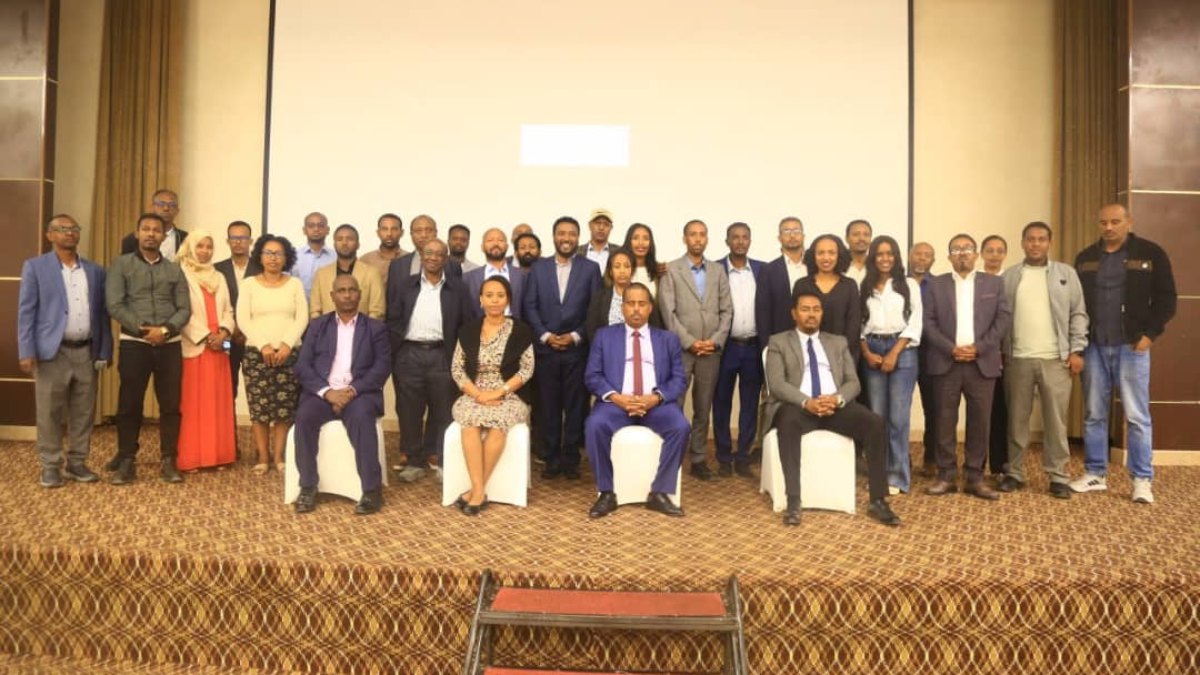
A research team comprising scholars and professionals from Addis Ababa University (AAU), the Policy Studies Institute (PSI), and the Ethiopian Media Authority (EMA) has undertaken a study on social media use and misuse in Ethiopia, highlighting the need for comprehensive, evidence-based policy interventions to promote responsible digital media use and address harmful online content.
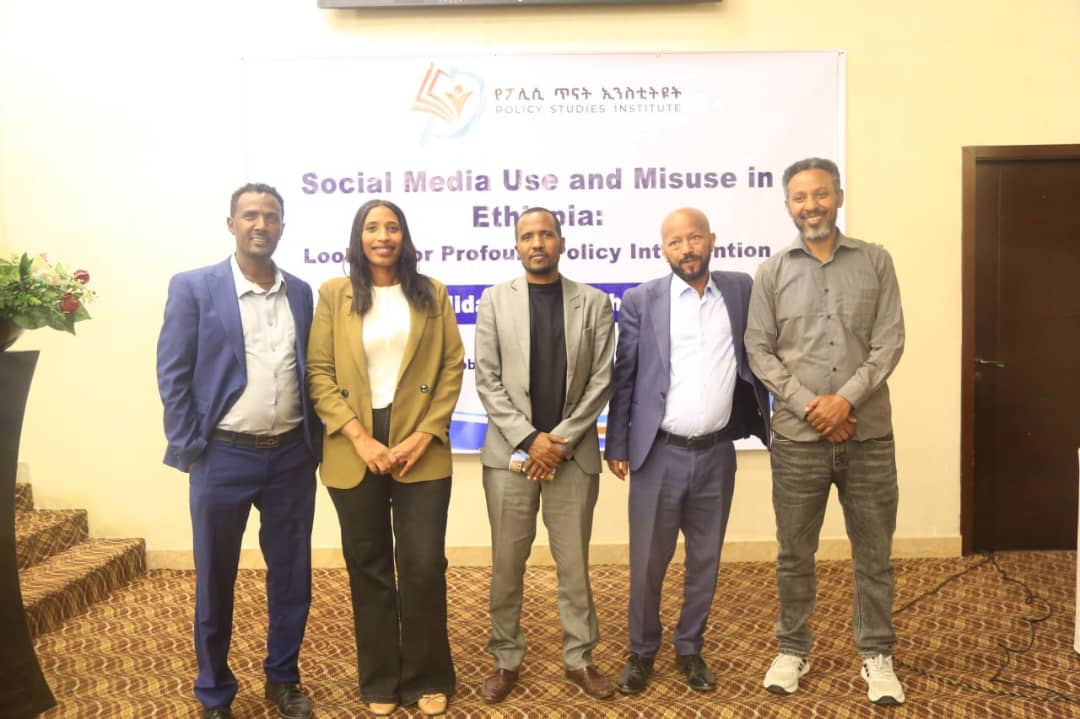
The study, titled “Social Media Use and Misuse in Ethiopia: Looking for Profound Policy Intervention,” was conducted by Abdulaziz Dino (PhD) and Ephrem Teshome of the School of Journalism and Communication at Addis Ababa University; Getahun Wassie (PhD) and Fikirte Zemene of the Policy Studies Institute; and Sisay Awulew of the Ethiopian Media Authority.
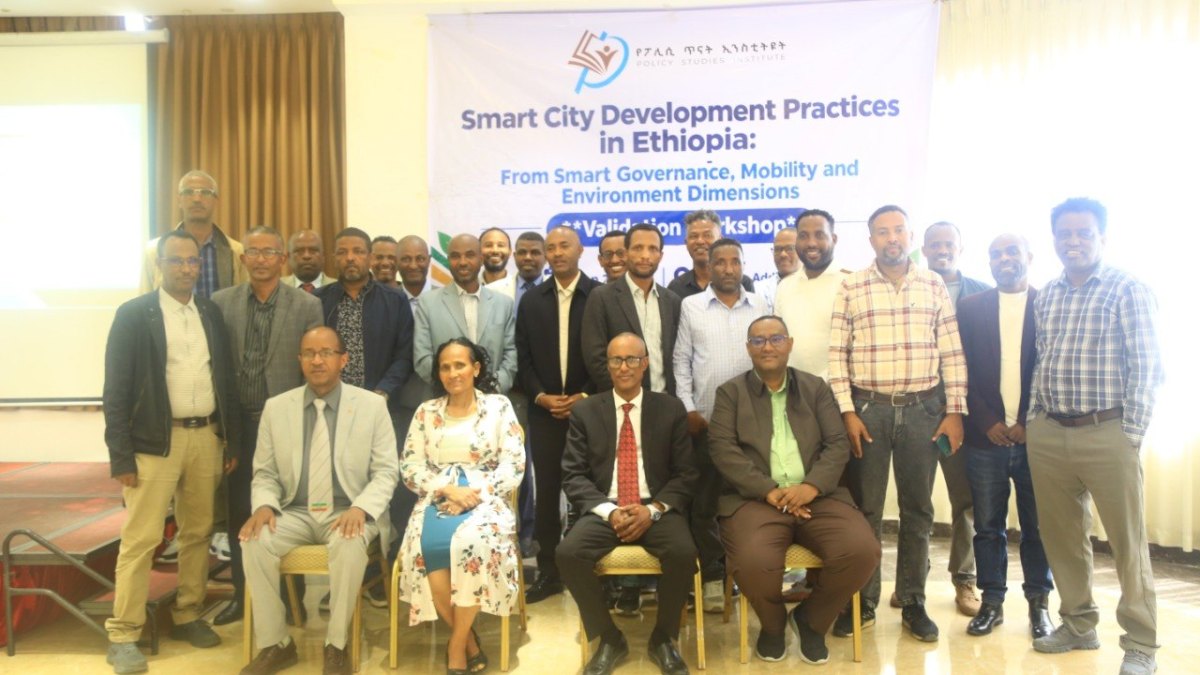
The researchers in the external validation workshop held on October 13,2026 at Elilie Hotel at Addis Ababa noted that new media platforms had created significant opportunities for connecting people locally and globally while expanding access to information, knowledge, innovations, experiences, skills, and practices. At the same time, they observed that the growing use of social media had raised concerns about its potential contribution to conflict provocation, content manipulation, including deepfakes, defamation, and privacy violations.
The team emphasized that media literacy and ethical awareness initiatives, although useful, had not provided lasting solutions to all these challenges. They also highlighted the difficulties developing countries faced in controlling harmful digital practices and establishing comprehensive regulatory frameworks.
Citing Data, the researchers reported that Ethiopia had approximately 7.05 million active social media user identities in January 2024, of which 32.4 percent were female and 67.6 percent male. They further noted that Facebook, Telegram, and YouTube were among the country's most preferred platforms, while TikTok and Instagram were also gaining users. According to the cited report, social media user identities had increased by 1.1 million, or 17.5 percent, between early 2023 and early 2024.
Against this background, the study sought to examine digital media literacy among social media users, identify factors that enabled or constrained constructive social media use, investigate the production and dissemination of harmful content, and assess the strengths and gaps of existing digital media regulatory frameworks. It also aimed to identify appropriate mechanisms for improving regulation and encouraging responsible use.
The researchers adopted an exploratory and descriptive research design, combining quantitative and qualitative methods to develop a broader understanding of social media practices and their implications. The study's intended participants included young social media users in high schools and universities, prominent content creators and activists, digital media experts and academics, cybersecurity advisers, policymakers, and members of cultural communities.
The institutional scope included higher education institutions, information technology and media governance bodies, media organizations, regulatory authorities, and cybersecurity institutions. The study also identified Ethiopia's traditional communication systems and cultural institutions—including Gadaa, Awuramba, Dagu, and Dinbusha—as relevant contexts for examining communication practices and locally grounded approaches to responsible information sharing.
By bringing together perspectives from media studies, public policy, regulation, cybersecurity, and cultural communication, the research seeks to contribute to a more comprehensive understanding of Ethiopia's evolving digital media environment. Its central policy concern is how to preserve the opportunities social media provides for knowledge-sharing, communication, and social participation while addressing the risks associated with harmful content and irresponsible use.
The study underscores the importance of strengthening digital media literacy, promoting ethical content creation, and developing regulatory approaches informed by research and the Ethiopian context. Such efforts would need to balance the prevention of demonstrable online harms with respect for legitimate expression, privacy, and other fundamental rights.
Ultimately, the research aims to provide an evidence base for policymakers and relevant institutions working to foster a safer, more responsible, and constructive digital media environment in Ethiopia.
The research team employed a combination of random and purposive sampling methods to obtain data from a range of social media users, institutions, and experts. Schools, universities, and grade levels were selected purposively, while students were selected randomly. Content creators, regions, organizations, and institutional respondents were selected mainly based on their roles, expertise, and experience. Information technology and media-governing institutions, including the Ethiopian Media Authority (EMA), the Information Network Security Administration (INSA), and the Ministry of Innovation and Technology (MInT), were also selected because of their direct responsibilities in digital media governance and regulation.
The study drew on both primary and secondary data sources. Primary data were collected from social media users, experts, administrators, and educators, while secondary sources included user-generated content, relevant documents, proclamations, and directives.
Five data collection tools were employed: structured interviews, in-depth interviews, user-generated content analysis, desk review, and benchmark analysis. The researchers conducted 2,045 structured interviews and 50 semi-structured, face-to-face in-depth interviews, involving 36 policymakers and experts and 14 members of cultural communities. They also analyzed 1,070 pieces of user-generated content from 2024, reviewed two major proclamations, and examined digital media policies in Nigeria, Kenya, and Singapore.
The two proclamations reviewed were the Computer Crime Proclamation No. 958/2016 and the Hate Speech and Disinformation Prevention and Suppression Proclamation No. 1185/2020. Quantitative data were analyzed using SPSS, while qualitative data were examined through thematic network analysis. The researchers also used pilot testing, internal validation, and methodological triangulation to strengthen the reliability and validity of the findings.
The study found that respondents had different understandings of digital media literacy, but many associated it with practical skills, personal safety, information evaluation, and responsible online behavior.
Settings adjustment was identified by 72 percent of respondents as an aspect of digital literacy, followed by privacy management at 67 percent and information verification at 60 percent. Critical thinking was identified by 48 percent, computer manipulation skills by 34 percent, and utilization ethics by 32 percent.
These findings suggest that respondents recognized several practical dimensions of digital literacy, although ethical considerations and critical evaluation may require further attention.
The study also examined the considerations students made before producing or sharing social media content. The findings showed that 61 percent considered their target audience, while 56 percent considered the relevance and significance of their content. However, only 38 percent considered potential consequences, and 37 percent considered ethical implications.
The researchers interpreted these results as indicating a potential gap in students’ awareness of the broader effects their online content could have on individuals and society. They suggested that digital literacy initiatives should go beyond technical skills and encourage users to assess the possible consequences and ethical implications of what they publish or share.
The study further examined participants’ familiarity with different forms of digital media misuse. Half of the respondents reported being familiar with misinformation, while 17 percent said they were very familiar with it. Regarding disinformation, 45 percent were familiar with the concept and 19 percent were very familiar with it.
Similarly, 45 percent reported familiarity with anonymous online identities, while 12 percent said they were very familiar with them. Familiarity with deepfakes was comparatively lower: 34 percent reported being familiar with the technology, and 19 percent described themselves as very familiar with it. Students showed the lowest level of familiarity with deepfakes among the groups and indicators examined.
The findings point to the need for targeted digital literacy programs that help users distinguish misinformation from deliberate disinformation, recognize manipulated media, assess the credibility of online sources, and understand the risks associated with anonymous or deceptive online identities.
The study observed that participants above the age of 20 generally recorded higher percentages across several digital literacy indicators than younger students below the age of 20. These indicators included information verification, settings adjustment, privacy management, identifying information sources, and considering the potential consequences of online content.
The findings also indicated that students who identified themselves as both consumers and producers of social media content tended to score higher across several digital literacy indicators than those who identified exclusively as consumers or producers.
In addition, policymakers and experts interviewed for the study acknowledged a general lack of awareness and digital media literacy. Some respondents recommended that mainstream media pages remain important sources of information, particularly as a means of countering fabricated content circulated by deceptive social media users.
These findings highlight the importance of tailoring digital literacy interventions to users’ age, experience, and patterns of engagement with social media.
Despite the challenges identified, the study highlighted the substantial benefits students associated with social media use. The findings showed that 73 percent identified access to information as a benefit, while 70 percent highlighted knowledge expansion. Connecting with friends and family was identified by 67 percent, educational benefits by 65 percent, and skill development by 61 percent.
These results demonstrate the perceived value of social media as a channel for communication, learning, knowledge-sharing, and personal development. They also suggest that policy responses should seek to address harmful practices without overlooking the educational and social opportunities offered by digital platforms.
Taken together, the findings point to the need for a comprehensive approach to digital media governance in Ethiopia. Such an approach could prioritize digital literacy education, critical thinking, information verification, privacy protection, ethical content production, and awareness of misinformation, disinformation, and deepfakes.
Schools and universities could play a central role in equipping young people with the skills needed to evaluate online information and understand the consequences of their digital activities. Media organizations, regulatory institutions, cybersecurity bodies, and policymakers could also strengthen public awareness and promote access to credible information.
The study's findings further suggest that policy interventions should recognize differences among age groups and social media users, while encouraging collaboration between public institutions, educational organizations, media professionals, technology experts, and cultural communities.
Ultimately, the research presents social media as both an important opportunity for information access and social connection and a space where misuse can create significant challenges. Strengthening digital literacy and developing evidence-informed, context-sensitive policy responses would help Ethiopia promote more responsible, informed, and constructive participation in the digital environment.
The study identified several barriers that limited the effective use of social media in the country. According to the structured interview findings, 67 percent of student respondents identified high internet costs as a major challenge. Limited access to technology and low digital literacy were each reported by 38 percent, while 25 percent pointed to the absence of implemented policies.
Community leaders also highlighted high internet costs, limited access to smartphones, and insufficient digital literacy as obstacles to effective social media use. These findings suggest that improving digital participation requires attention not only to online behavior but also to the affordability of internet services, access to devices, and opportunities for digital skills development.
Policymakers and experts identified additional challenges, including limited critical thinking, inadequate awareness and training, the absence of locally developed social media platforms and advanced tools for detecting misuse, and insufficient support for local-language translation. They also raised concerns about the effectiveness of mechanisms for reporting, blocking, and removing harmful accounts. The respondents further pointed to the need for a more comprehensive social media policy and raised concerns about the scope of the existing hate speech proclamation.
The study found that harmful online practices extended beyond false information to include hate speech, defamation, privacy violations, anonymous identities, and content that could contribute to conflict. Respondents also identified concerns about internet addiction, reduced attention spans, weakened critical thinking, unrealistic standards of success and beauty, anxiety, depression, and low self-esteem.
More than half of the students surveyed—56 percent—reported having encountered false or misleading information or misuse of content on social media.
Regarding the negative effects of social media, 55 percent identified overdependence or addiction, while 50 percent cited misinformation and disinformation. Hate-related content was reported by 35 percent, and conflict provocation by 28 percent. Defamation and privacy invasion were identified by 18 percent, while 9 percent cited commercialization as a negative influence.
Community leaders also identified stereotyping or offensive content as a prevalent form of misuse, reported by 71 percent of respondents in this group. Misrepresentation or distortion was identified by 57 percent.
Students perceived misinformation as one of the most prevalent forms of social media misuse: 38 percent rated it as very prevalent and 21 percent as extremely prevalent. Defamation was also considered widespread, with 37 percent rating it very prevalent and 18 percent extremely prevalent.
The study further reported that male students recorded higher percentages than female students across several self-reported negative impacts, including hate-related content, conflict provocation, misinformation and disinformation, defamation, privacy invasion, overdependence, and commercialization. Male students also reported higher levels of encountering or being affected by defamation and hate speech. These findings describe the reported experiences of the study participants and should not be interpreted as establishing that one gender is inherently more vulnerable to online harms.
In-depth interviews provided examples of how harmful online practices could affect individuals and communities. One interview participant described an incident in which explicit material was allegedly shared with others using the participant’s name, damaging their reputation.
Another interviewee explained that discussions involving sensitive issues, particularly personal identity and ethnicity, could be accompanied by hate speech and misinformation. According to the participant, such practices could deepen divisions and tensions between ethnic groups and contribute to conflict.
These accounts illustrate the potential consequences of online abuse, including reputational harm, social mistrust, and heightened community tensions. They also reinforce the importance of responsible content sharing, accessible reporting mechanisms, and public awareness of the consequences of digital communication.
The in-depth interviews also raised concerns about the effects of excessive social media use on children. One participant observed that prolonged use could consume children's time, expose them to irrelevant or inappropriate content, and contribute to changes in behavior.
Another interviewee expressed concern that children could become increasingly isolated from their communities when online activities displaced face-to-face interaction. The participant suggested that reduced direct interaction might limit opportunities to develop social skills and maintain relationships.
Interview participants also linked extensive social media use to possible disruptions in children's academic routines, arguing that time intended for studying could instead be spent online. These accounts point to the importance of helping children develop balanced digital habits while supporting their educational, social, and emotional development.
One interview participant suggested that political interests could motivate the circulation of misinformation, disinformation, and hate speech. The participant argued that political parties, government actors, and activists could use social media to influence public opinion and mobilize support.
This observation highlights the importance of examining the motives and circumstances behind harmful content without assuming that all political communication is misleading. It also points to the value of strengthening critical evaluation, source verification, transparency, and accountability in the digital information environment.
Taken together, the findings indicate that social media misuse in Ethiopia is connected to a combination of technological, educational, social, and regulatory challenges. Addressing these issues requires more than restricting harmful content. It also requires expanding access to affordable internet and digital devices, improving digital literacy, strengthening local-language support, and developing effective mechanisms for identifying and reporting abuse.
Schools and universities could help students develop critical thinking, ethical content creation, and information-verification skills. Community leaders could benefit from accessible digital literacy training, while media organizations and technology institutions could contribute to public awareness and the development of tools suited to Ethiopia's linguistic and social context.
The findings also point to the importance of reviewing existing regulatory frameworks and examining whether reporting and enforcement mechanisms adequately address online harms while respecting freedom of expression, privacy, and other fundamental rights.
Ultimately, the study suggests that a comprehensive policy response should combine digital inclusion, public education, technological capacity, institutional coordination, and proportionate regulation. Such an approach could help Ethiopia preserve the educational and social benefits of digital platforms while reducing the risks associated with misinformation, hate speech, privacy violations, and other forms of misuse.
The study observes that Ethiopia’s proclamation addresses important issues arising from the growing use of information and communication technologies. It grants the government authority to impose fines and imprisonment for social media activities considered unlawful. The proclamation also recognizes the importance of digital literacy in promoting responsible social media use and reducing the spread of misinformation.
However, the researchers argue that the proclamation does not address all relevant issues in sufficient depth and has not kept pace with rapid technological developments. In particular, it does not adequately consider emerging risks associated with generative artificial intelligence, including AI-generated deepfakes and other forms of manipulated digital content.
The study also highlights gaps in the legal provisions concerning hate speech and disinformation. Although the proclamation prohibits the dissemination of hate speech and disinformation, the researchers note that it does not clearly distinguish between producing, storing and disseminating hate speech. They recommend that future legal amendments establish clearer definitions and differentiate these activities, taking into account their distinct implications.
Furthermore, the study questions whether the financial penalties specified in the proclamation remain appropriate under current economic conditions, given the substantial depreciation of the Ethiopian birr since the law was introduced. It also identifies limited attention to specific forms of social media misuse, including defamation, anonymous identities and deepfakes, as a challenge for effective monitoring and law enforcement.
Overall, the findings suggest that Ethiopia’s social media regulatory framework requires periodic review to reflect technological advancements and emerging forms of online harm. The researchers emphasize the need for clearer legal provisions, updated penalties, stronger enforcement mechanisms and greater attention to digital literacy. Such reforms should address harmful online practices while maintaining appropriate safeguards for freedom of expression and privacy.
The study examines Kenya, Nigeria and Singapore as benchmark countries because they have faced challenges similar to Ethiopia’s in addressing social media disinformation, hate speech, incitement to violence and cybercrime. The researchers suggest that Ethiopia could draw lessons from their regulatory approaches while adapting relevant measures to its own legal, institutional and social context.
The study highlights Kenya’s efforts to address the spread of disinformation, online harassment, hate speech and incitement to violence through collaboration with social media platforms. It also points to Kenya’s National Action Plan against Hate Speech and the role of institutions established to promote national unity and combat ethnic discrimination.
According to the study, Ethiopia could learn from Kenya’s approach by strengthening institutional coordination, developing clearer obligations for international technology companies operating in the country and promoting greater platform accountability. The researchers also suggest considering an appropriate institutional mechanism to address social media-related hate speech, misinformation, disinformation and AI-generated deepfakes.
Nigeria’s Cybercrime (Prohibition, Prevention, etc.) Act, 2015 is presented as another reference point. The study draws attention to legal measures concerning cybercrime, identity misuse and the unauthorized use of digital identities or trademarks. It notes that similar challenges arise in Ethiopia, where anonymous accounts can be used to disseminate harmful or misleading content.
The researchers argue that Nigeria’s experience could inform efforts to clarify Ethiopia’s legal provisions, strengthen accountability for online misconduct and establish more precise procedures for addressing the misuse of digital identities. They also emphasize the importance of ensuring that legal provisions are clear, proportionate and applied with appropriate safeguards against potential abuse.
The study also examines Singapore’s Protection from Online Falsehoods and Manipulation Act (POFMA), which provides mechanisms for responding to online falsehoods and involving internet intermediaries in implementing certain corrective measures.
The researchers contrast this approach with Ethiopia’s Hate Speech and Disinformation Prevention and Suppression Proclamation No. 1185/2020, under which, they argue, responsibility for monitoring and controlling online content remains largely centralized within government institutions. They suggest that Ethiopia could explore clearer mechanisms for engaging digital platforms in responding to unlawful content, while ensuring transparency, accountability and respect for fundamental rights.
Overall, the benchmark analysis suggests that Ethiopia could strengthen its social media governance framework by drawing insights from the varied approaches adopted by the three comparison countries. Key areas for consideration include clarifying legal definitions and enforcement procedures regarding hate speech, disinformation, cybercrime, and digital identity misuse, as well as strengthening institutional coordination to build effective mechanisms for addressing online harms. Furthermore, Ethiopia could establish clearer and more implementable responsibilities for international social media platforms, update regulatory measures to proactively respond to emerging technologies like generative AI and deepfakes, and ensure that all enforcement mechanisms remain transparent, proportionate, and subject to appropriate oversight.
The researchers emphasize that these examples should not be adopted wholesale. Rather, Ethiopia should assess their relevance to its own context and develop a balanced, evidence-based regulatory framework that addresses harmful online practices while safeguarding freedom of expression and privacy.