Research to Real Change: Fast-Tracking Policy for Adolescent Health
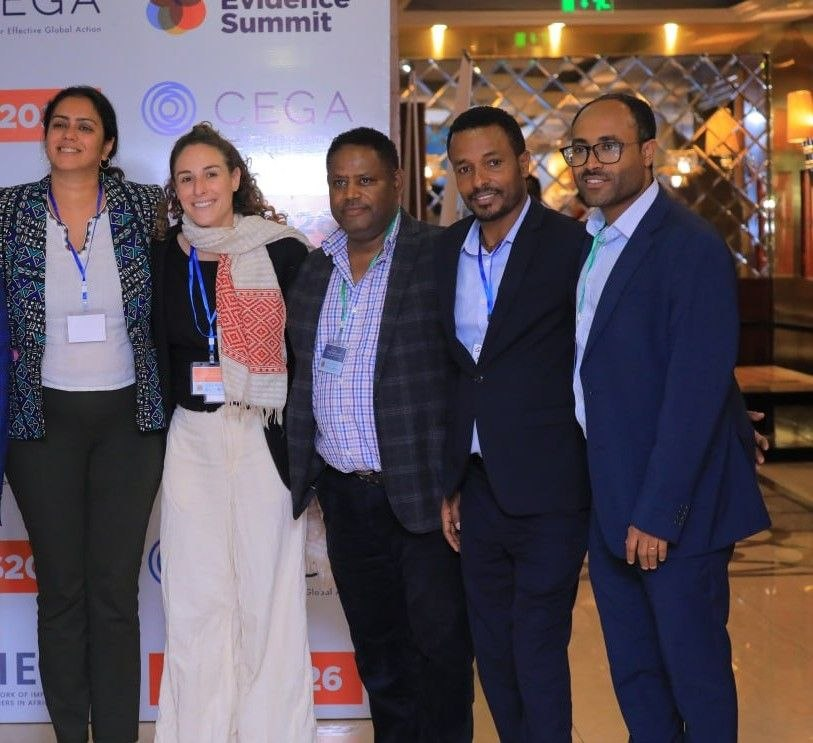
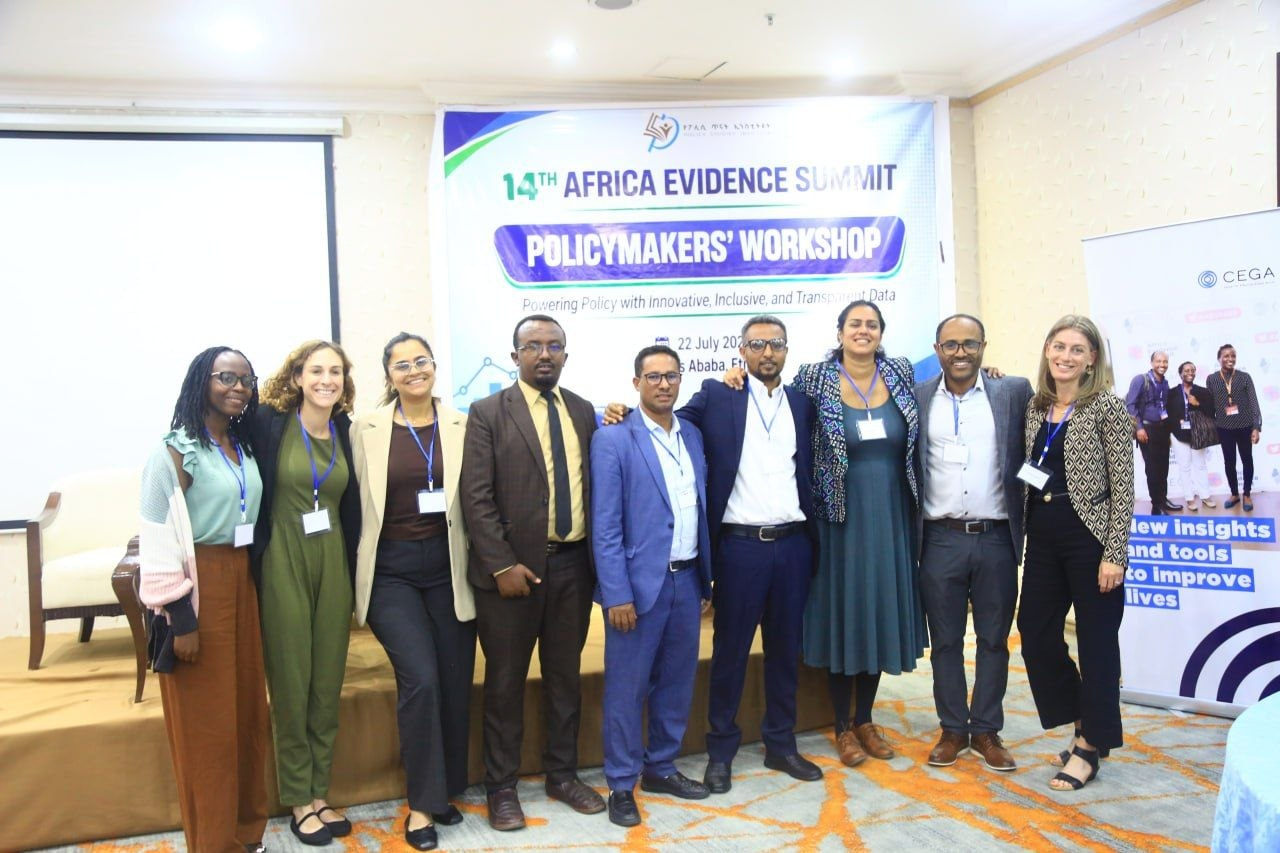
At the 2026 Africa Evidence Summit, a multi-presenter session titled "Research to Real Change: Fast-Tracking Policy for Adolescent Health"—featuring Dr. Augustina Mensa-Kwao (Johns Hopkins Bloomberg School of Public Health), Dr. Adesola Olumide (University of Ibadan), Dr. Nicola Jones (GAGE, ODI), Zekarias Desalegn (Ethiopia's Ministry of Women and Social Affairs), Workneh Yadete (Quest Consulting), and Dr. Kassahun Tilahun (Addis Ababa University)—argued that the central challenge is no longer generating data about adolescents but translating evidence into policy and practice, framing the pathway as moving from visibility to evidence to action. The presenters highlighted that the world is experiencing the largest adolescent generation in history, with approximately 33% of Ethiopia's population aged 10–24, and introduced the "triple dividend" concept—investment in today's 10–24-year-olds benefits adolescents themselves, their future adult productivity, and the next generation—while noting that despite growing recognition, development assistance for adolescent health and well-being from 2016 to 2021 remained insufficient per adolescent, even though substantial evidence already exists about effective interventions. They outlined a five-stage research-to-policy pathway (data generation, evidence creation, the research-to-policy gap, policy and practice, and meaningful change), called for multisectoral collaboration and meaningful youth participation, and pointed to the second Lancet Commission on adolescent health and wellbeing as emphasizing interconnected challenges—mental health, sexual and reproductive health, education, violence, employment, nutrition, digital environments, gender inequality, climate change, and social protection—that cannot be addressed by the health sector alone. As a concrete example, they presented the Gender and Adolescence: Global Evidence (GAGE) programme (2016–2026), a longitudinal mixed-methods study whose Ethiopian component follows approximately 20,000 adolescents (the largest such cohort in the Global South) across younger (10–12 at baseline) and older (15–17 at baseline) cohorts, using an intersectional approach that deliberately includes marginalized groups such as adolescents with disabilities, child-married girls, IDPs, and refugees, and which tracked young people through major shocks including political unrest, the COVID-19 pandemic, the Northern Ethiopia conflict, and the Amhara regional conflict. The session concluded that adolescence represents a critical window for investment, and that the goal must be to turn visibility into evidence, evidence into policy, and policy into sustainable improvements in young people's lives.