The Policy Studies Institute (PSI) and the United Nations Development Programme (UNDP) held discussions on strengthening collaboration in evidence-based research, policy dialogue, and knowledge sharing. PSI presented its research mandate, institutional capacity, thematic areas, and contributions to Ethiopia’s policy development. UNDP expressed interest in establishing a flexible and regular platform for joint seminars, research, policy notes, and technical exchange. Potential areas of collaboration include macroeconomic and fiscal policy, SME financing, employment and skills, industrial parks, digitalization, taxation, peace and conflict, governance, and human rights. Both institutions emphasized the importance of using reliable data, engaging directly with businesses and other stakeholders, and translating research into practical policy recommendations. The meeting concluded with agreement to identify priority areas and prepare a short concept note outlining possible collaboration.
The Policy Studies Institute (PSI) and the United Nations Development Programme (UNDP) have explored opportunities for closer collaboration on evidence-based research, policy dialogue and knowledge sharing on key development issues in Ethiopia.
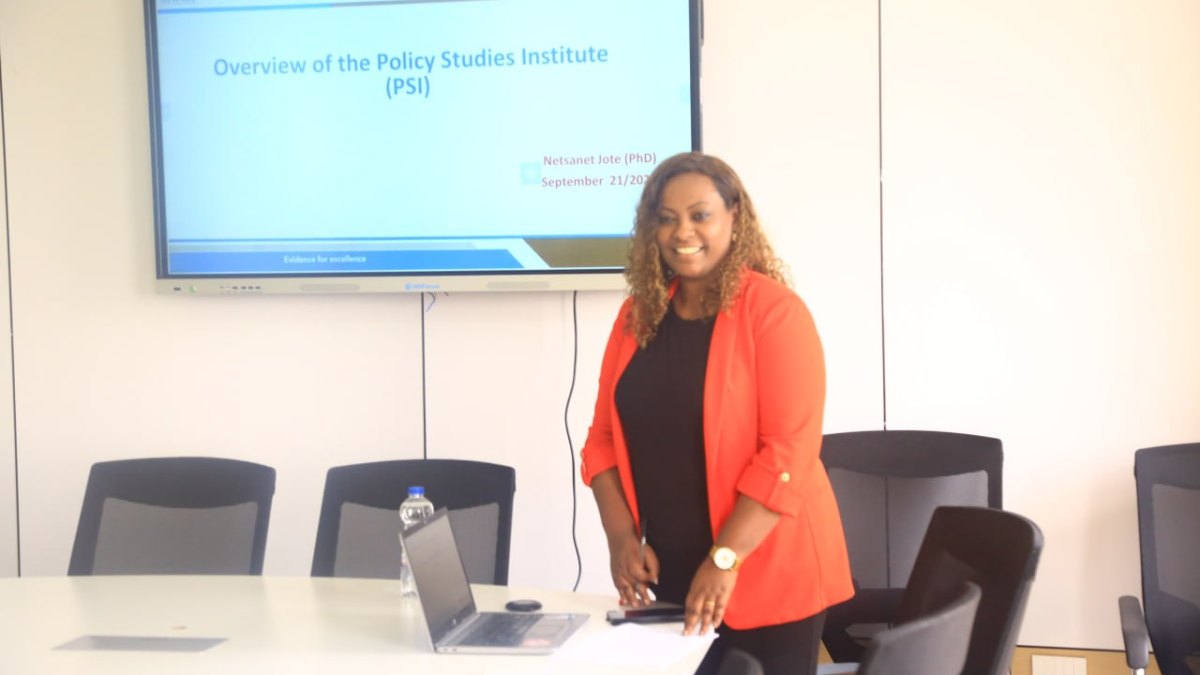
During a meeting at PSI on September 24, 2026, H.E. Major General Ahmed Hamza, Deputy Director General of PSI, welcomed the Guests. Dr. Netsanet Jote, Lead Researcher at PSI, also briefed the UNDP delegation on the institute’s mandate, research capacity, policy contributions, and partnerships with government institutions and development organizations.
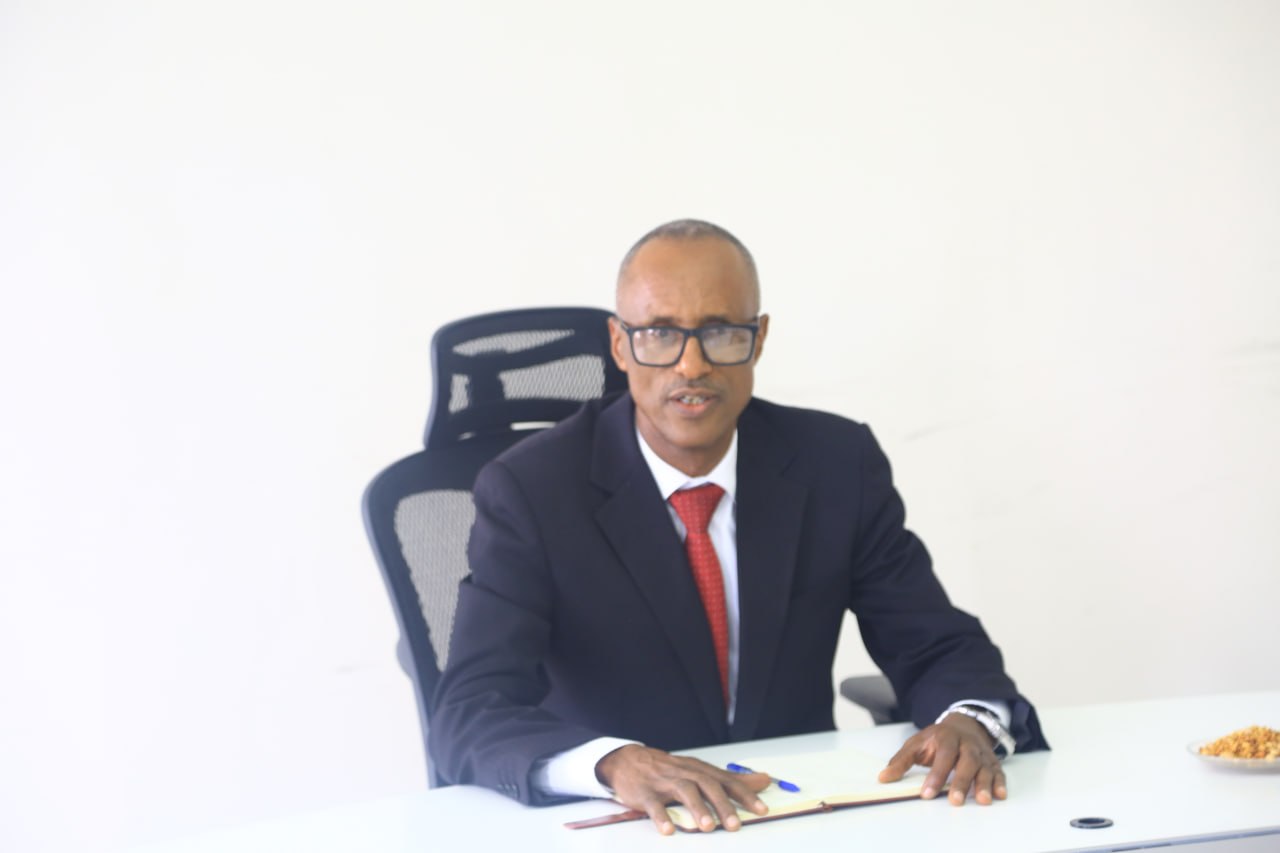
H.E. Ahmed Hamza, Deputy Director General of PSI
Dr. Netsanet explained that the institute is a government policy think tank mandated to provide evidence-based policy recommendations to the government. It was established in 2018 through the merger of the Ethiopian Development Research Institute (EDRI) and the Policy Studies and Research Center.

Dr. Netsanet Jote, Lead Researcher and Research development and Data Management Centre Head at PSI
According to the presentation, PSI currently conducts research across 52 thematic areas and maintains extensive networks with national and international research organizations and individual researchers. The institute said its vision is to become one of the top three policy think tanks in sub-Saharan Africa by 2031.
Dr. Netsanet said the institute’s principal responsibilities include identifying gaps in existing policies and strategies, undertaking research to inform new policy ideas, conducting impact analyses, and providing consultancy and capacity-building services.
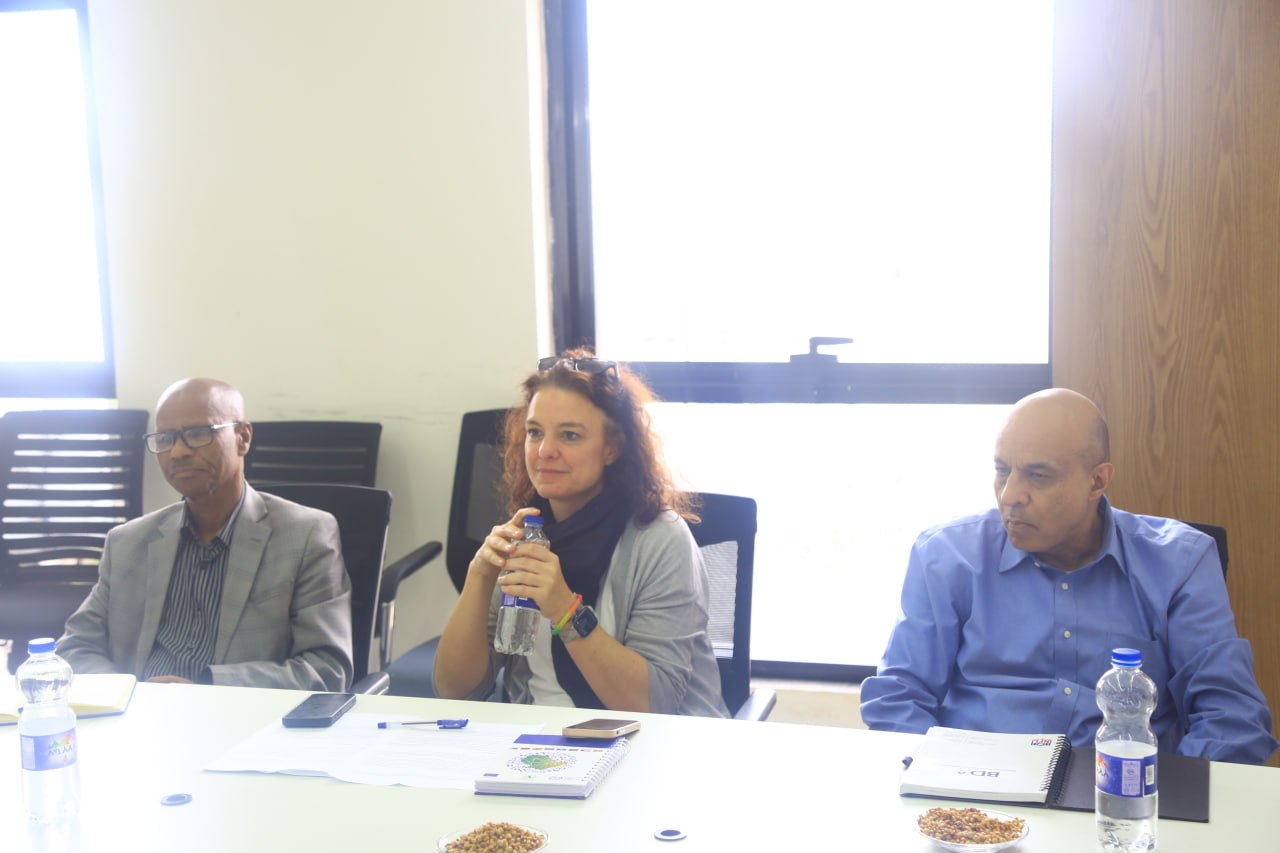
Dr. Netsanet further explained that PSI is organized into six research centres covering macro finance and trade, industry and urban development, agriculture and rural development, social protection and human resources, good governance, and environment and climate policy. The institute also has 14 departments working across different disciplines.
The PSI presentation highlighted the institute’s contributions to policy development in areas including manufacturing, science and technology, urban development and housing, education and training, agriculture, social protection, disability policy and gender-responsive budgeting.
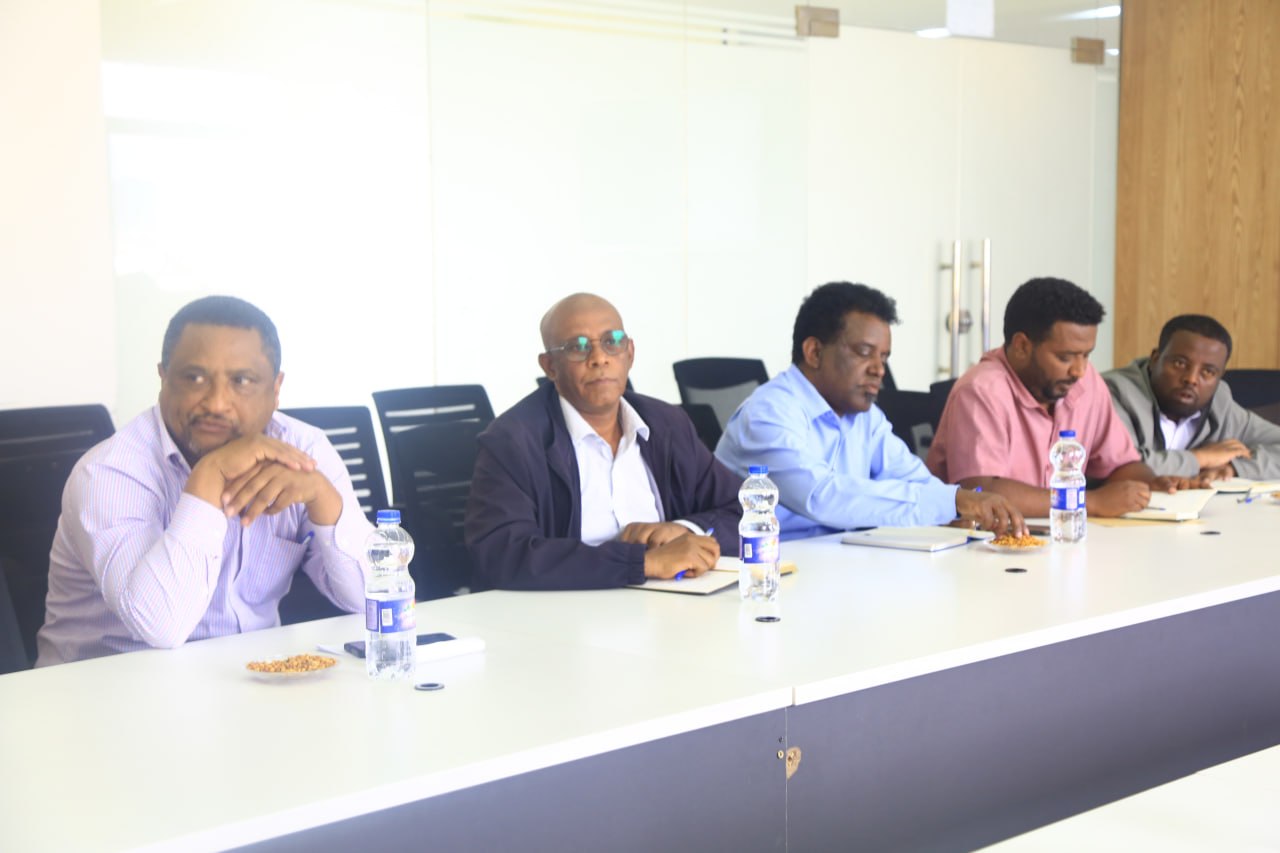
The institute also cited its involvement in several national development initiatives and programmes, including agricultural development programmes, the Homegrown Economic Reform Programme, voluntary national reviews on the Sustainable Development Goals, safety-net programmes, SME financing and the country’s long-term development planning.
PSI representatives said the institute had also contributed to the development of policy and institutional initiatives such as the industrial parks concept, special economic zones, the Ethiopian Commodity Exchange and the Ethiopian Biotechnology Institute.
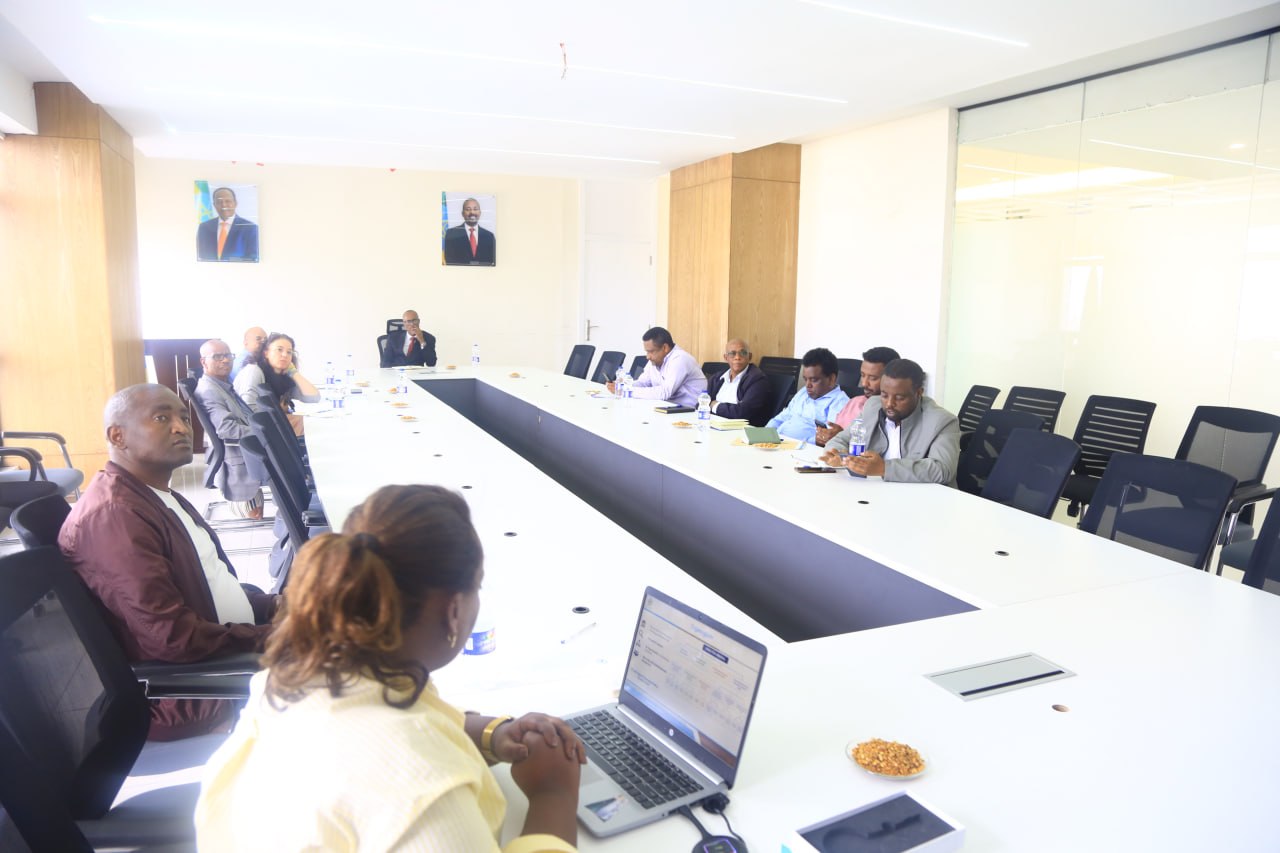
The institute further noted that it provides capacity-building programmes for government institutions, universities and non-governmental organizations in areas including policy formulation, policy brief writing, grant writing, project management, networking and impact analysis.
The presentation also highlighted PSI’s efforts to strengthen its research infrastructure, including the establishment of a research data repository and an institutional research ethics review committee. PSI said it works with national and international partners on research, workshops, consultancy and policy and strategy development.
Following the presentation, the UNDP representative welcomed the overview and expressed appreciation for the breadth of PSI’s engagement across different sectors. The representative also sought clarification on how PSI generates and obtains the data used in its research.
In response, PSI explained that its researchers make use of existing datasets, particularly those collected by national statistical institutions, while also undertaking primary data collection when deeper investigation of specific issues is required. The institute pointed to its evaluation of the Agricultural Growth Programme II as an example, noting that the study involved the collection of data from approximately 9,000 households.
The UNDP representative subsequently outlined the rationale for seeking closer collaboration with PSI. The representative said the UN system’s new Resident Coordinator was encouraging greater analytical work and stronger engagement with government and the policy community.
UNDP said it was interested in developing a relationship with a respected policy institution such as PSI, particularly one with substantial research capacity, a strong relationship with government and sufficient institutional independence to support analytical policy dialogue.
As part of the proposed collaboration, UNDP suggested establishing regular joint seminars, potentially on a monthly or bi-monthly basis, focusing on important policy and development issues in Ethiopia.
The representative explained that the proposed seminars could provide a platform for UNDP and PSI researchers to present their respective analyses, exchange views and generate broader policy discussions. Potential areas of discussion mentioned included public budgets, fiscal policy, investment, industrial parks, malnutrition and stunting, and other emerging development challenges.
UNDP also suggested that discussions generated through the proposed seminars could eventually lead to joint analytical outputs, including policy notes.
The representative cited issues surrounding access to finance for small businesses as one example of a potential policy discussion, emphasizing the importance of examining appropriate policy and financial instruments for smaller enterprises.
The proposed partnership would therefore provide an opportunity for PSI and UNDP to share research, strengthen evidence-based policy dialogue and potentially develop joint analytical products addressing priority development issues in Ethiopia.
Further discussions are expected to determine the priority areas, format and frequency of the proposed seminars and the potential areas for joint research and policy outputs. They have also discussed the possibility of establishing a regular, informal platform for policy dialogue, knowledge exchange and joint research on Ethiopia’s key development and economic policy issues.
The UN representative thanked PSI for its presentation and said the discussion had provided useful insights into the institute’s operations and capabilities. The representative explained that the UN was sometimes perceived as being primarily focused on project implementation, whereas the organization could also contribute expertise, knowledge and analytical perspectives to policy discussions.
The representative proposed that the UN and PSI establish a relatively informal and closed-door forum where researchers and experts from both sides could exchange research findings, perspectives and ideas on selected policy issues. The proposed arrangement would not require a highly formal structure, but would instead provide an opportunity for regular exchanges and constructive discussions.
The UN representative said the purpose would be to share findings generated by PSI researchers, bring perspectives and experience from the UN, and provide an informal advisory space that could contribute to Ethiopia’s development trajectory. The representative linked the proposed cooperation to Ethiopia’s efforts toward self-determined development, greater sovereignty and reduced dependence on external aid.
The representative emphasized that the proposed arrangement was not intended to create a rigid institutional structure that could generate administrative hurdles or depend on the availability of specific individuals. Instead, it was envisioned as a flexible and regular exchange of ideas that could draw on the knowledge and institutional capacities of both organizations.
The UN representative also recalled that a monthly policy discussion series had previously been organized with colleagues from the Development Research Institute (DRI), but that the initiative had not continued for long. The representative suggested that the experience could provide a basis for establishing a renewed and more sustainable policy dialogue between the UN and PSI.
The representative further noted that the UN was currently providing policy and technical support in several areas related to sustainable development. In this context, the UN considered it useful to strengthen the policy space through regular discussions involving researchers and experts.
According to the proposal, the two institutions could agree on a regular schedule under which researchers would present their work and engage in discussions with their counterparts. The UN and PSI could also collaborate on research projects and jointly present their findings, thereby strengthening the evidence base available for policy development.
The UN representative said the purpose of the meeting was therefore to explore whether PSI could serve as an appropriate institutional partner for such an initiative.
PSI representatives acknowledged the potential for collaboration and noted that Ethiopia was undergoing significant policy changes. They explained that PSI had already been conducting research on several of the issues associated with these changes and was interested in generating more rigorous evidence on their effects.
The PSI team noted, for example, that the institute had developed the ACTAF strategy and was undertaking analysis of the effects of recent policy reforms, including financial liberalization and exchange-rate reforms. The researchers said sufficient time had now passed to begin assessing the impacts of these reforms more systematically.
The PSI representatives also identified taxation and its effects on small businesses as an area requiring further investigation. They suggested that small businesses were responding to recent policy changes and that this could provide an important area for joint research between PSI and the UN.
In addition, PSI highlighted several areas in which it saw opportunities for cooperation, including macroeconomic policy, trade, financial relations and domestic revenue mobilization. The institute said research could help examine the effects of current economic changes and provide evidence to support government efforts to strengthen revenue generation.
Small and medium enterprise financing was also identified as a potential area of joint research. PSI representatives said that understanding financing constraints and developing appropriate policy responses could contribute to efforts to support businesses and economic development.
The discussion also highlighted pricing mechanisms as another potential area for research and policy engagement. PSI said there was a need to better understand the mechanisms through which policy interventions could influence economic outcomes and provide useful evidence to government.
Digitalization of the economy was identified as another important area of common interest. PSI representatives noted that the government was committed to advancing economic digitalization and that research could contribute to understanding appropriate mechanisms and strategies for supporting this transition.
The discussion went on with a shared interest in identifying practical areas in which the UN and PSI could work together, particularly through regular policy discussions, joint research and the exchange of technical expertise. The proposed collaboration would seek to strengthen evidence-based policy dialogue and contribute research and analytical perspectives to Ethiopia’s ongoing economic and policy reforms.
UN representatives emphasized that the UN and PSI share a common interest in examining not only macroeconomic indicators but also how macroeconomic reforms affect the real economy, particularly businesses, workers, and households. The speaker proposed a flexible mechanism for regular collaboration, including alternating presentations, joint policy notes, and informal policy discussions.
The UN representative said the organization was particularly interested in PSI’s attention to the relationship between macroeconomic policies and their effects at the microeconomic level. The representative noted that while institutions such as the IMF often focus on macroeconomic indicators, including taxation and foreign-exchange reserves, the UN was interested in understanding how exchange-rate and fiscal policies were affecting the real economy.
The representative said the UN and PSI appeared to be on the same page regarding potential areas of collaboration. One proposal was to alternate presentations between the two institutions. The UN could present policy notes it was preparing, including analysis of the national budget, and receive comments and guidance from PSI before potentially developing a joint policy note. PSI could subsequently present its own research, allowing the two institutions to exchange views and explore opportunities for joint work.
The UN representative said the organization was completing a study on employment and had examined labour-force issues and skills. The representative also referred to the Ministry of Planning and Development’s recent integrated labour-force information and suggested that collaboration could begin with a number of practical policy questions.
Among the issues identified were whether small businesses were benefiting from economic reforms, what could be done to improve the operating environment for small businesses, employment and skills development, and possible mismatches between the skills supplied by workers and those demanded by private employers. Industrial parks were also identified as an area that could benefit from further analysis.
The representative proposed that the institutions could initially identify a small number of priority questions and begin with a policy discussion, possibly focusing on the budget. Such meetings, the representative suggested, could be informal and held without media presence, allowing researchers and policy experts to exchange views openly.
The representative said the UN already produces quarterly economic updates that are shared with government officials, but the proposed collaboration would go further by allowing the two institutions to examine selected issues in greater depth. The representative noted that government officials were receptive to evidence-based ideas, particularly when they were supported by reliable data.
The representative also emphasized the importance of data quality and triangulation. Referring to the UN's employment research, the speaker said data from different sources were compared and cross-checked. The representative cited previous research on manufacturing, during which researchers visited Hawassa and other locations and worked with chambers of commerce to survey entrepreneurs.
The UN representative suggested that similar approaches could be used to understand the experiences of small and medium-sized enterprises by directly interviewing business owners about the effects of current reforms on their operations.
The representative also noted growing international interest in PSI and its research capacity, recalling a recent interaction with researchers from the University of California, Berkeley, who identified PSI as an institution they were interested in working with.
The representative stressed that collaboration did not necessarily have to begin with a large formal programme. Instead, the institutions could first identify areas of common interest, share existing research and data, and determine where additional evidence was needed. Where gaps were identified, the two institutions could explore joint research or involve other relevant partners.
The ultimate objective, the representative said, would be to combine expertise and evidence and develop useful outputs for the government. The representative concluded that the immediate task was to identify priority areas for collaboration. Existing research papers from both institutions could provide a starting point, while the areas of focus could be adjusted over time rather than being treated as fixed.
The UN representative proposed that the UN and the Policy Studies Institute (PSI) could deepen their collaboration by jointly engaging with small and medium-sized enterprises (SMEs) and examining how businesses were experiencing and responding to ongoing economic reforms.
The representative suggested interviewing SME owners directly to better understand the challenges they face, the effects of current reforms on their businesses, and the types of policy support they require. The representative said there was considerable scope for the two institutions to work together and emphasized that collaboration did not need to begin with a large or highly formalized initiative.
Instead, the representative proposed that the institutions could first generate and share available evidence, discuss areas where additional information was needed, and identify specific research questions for possible joint work. Where evidence gaps were identified, the institutions could collaborate with each other or involve other relevant organizations.
The representative described this process as a form of cross-fertilization, through which researchers could exchange evidence, perspectives and expertise and then identify areas of common interest. The ultimate objective, the representative said, would be to develop practical perspectives and evidence that could be useful to government policymakers. The representative stressed that such exchanges could initially remain informal and were not necessarily intended for immediate public release or publication.
The UN representative also noted that policymakers were sometimes more advanced than researchers in understanding emerging policy issues. Land reform was cited as an example of an area in which significant policy discussions were reportedly taking place within government and which could have substantial economic implications. The representative acknowledged that some such issues could be sensitive but argued that their economic significance made them relevant areas for further discussion and research.
A PSI representative subsequently outlined the Institute's research capacity and current work. The representative said PSI undertook approximately 40 to 60 research projects annually through its 14 departments, which cover different academic and policy disciplines.
The representative highlighted recent PSI research on the performance of industrial parks. The study had assessed the current performance of industrial parks in Ethiopia, and its findings had been presented to the government. The representative also referred to comparative research examining Ethiopia's performance in relation to six other African countries.
SMEs were identified as another major area of PSI research. The representative said SMEs were expected to play an important role in the economy, particularly in the manufacturing sector, but were not growing as rapidly as expected. PSI had therefore examined the challenges facing SMEs and possible policy gaps affecting their development.
The PSI representative said the Institute believed collaboration with the UN could strengthen the recommendations emerging from this research. Joint work could also provide an opportunity for PSI researchers to learn from the UN's experience in fiscal and economic policy analysis and to assess whether existing policy recommendations were sufficiently relevant and effective.
The representative suggested that regular policy series and dialogue programmes could provide an effective mechanism for such collaboration and help make PSI's research more responsive to Ethiopia's policy needs.
The UN representative agreed that the two institutions appeared to have significant potential for collaboration. The representative identified access to finance as one possible area of joint work, noting the challenges involved in encouraging Ethiopian banks to expand financing for businesses.
The representative also referred to the review of Ethiopia's ten-year development plan and suggested that its findings could provide a useful starting point for further discussion.
Tax relief for SMEs and access to credit were identified as additional areas for possible collaboration. The representative noted that digital credit was expanding rapidly and referred to an impact evaluation conducted with the University of California, Berkeley. According to the representative, the study had not identified clear social-welfare impacts for SMEs, although the findings were based on data from a single bank.
The representative suggested that incorporating administrative data and evidence from additional banks could strengthen the analysis and provide broader policy implications.
During the discussion, PSI representatives also emphasized the Institute's role in communicating research findings to the government and contributing evidence to government decision-making. They noted that PSI had extensive research outputs and that the proposed collaboration could help connect existing research with emerging policy questions.
The participants subsequently discussed possible areas for further cooperation. A PSI representative from the Good Governance research area highlighted issues including peace and conflict, diversity management, good governance, the rule of law and human rights as areas of interest for the Centre. The representative expressed interest in strengthening collaboration with the UN coordination system and UNDP in these areas.
The UN representative welcomed the proposal and indicated that peacebuilding and conflict prevention could be among the areas for further discussion. The participants agreed that there was value in continuing the engagement and identifying concrete areas of common interest.
Towards the conclusion of the meeting, the UN representative proposed preparing a short concept or discussion note outlining the proposed collaboration and possible research topics. The representative suggested that PSI could add or refine the proposed topics before the document was jointly agreed and presented to senior officials for consideration.
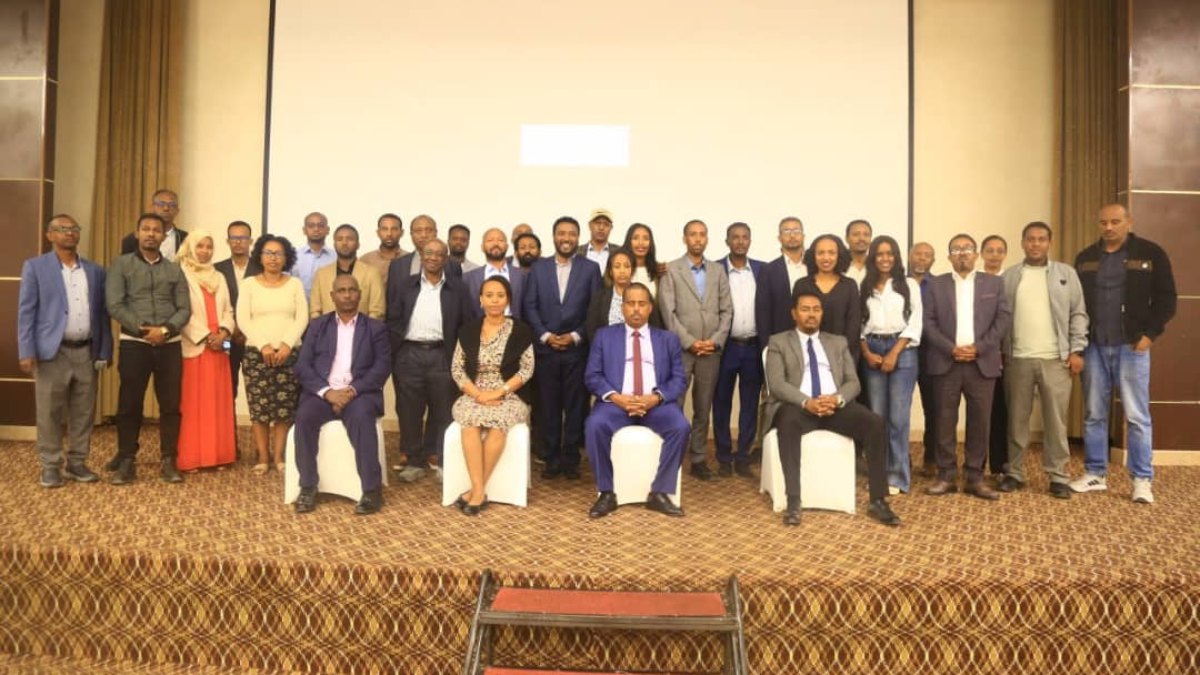
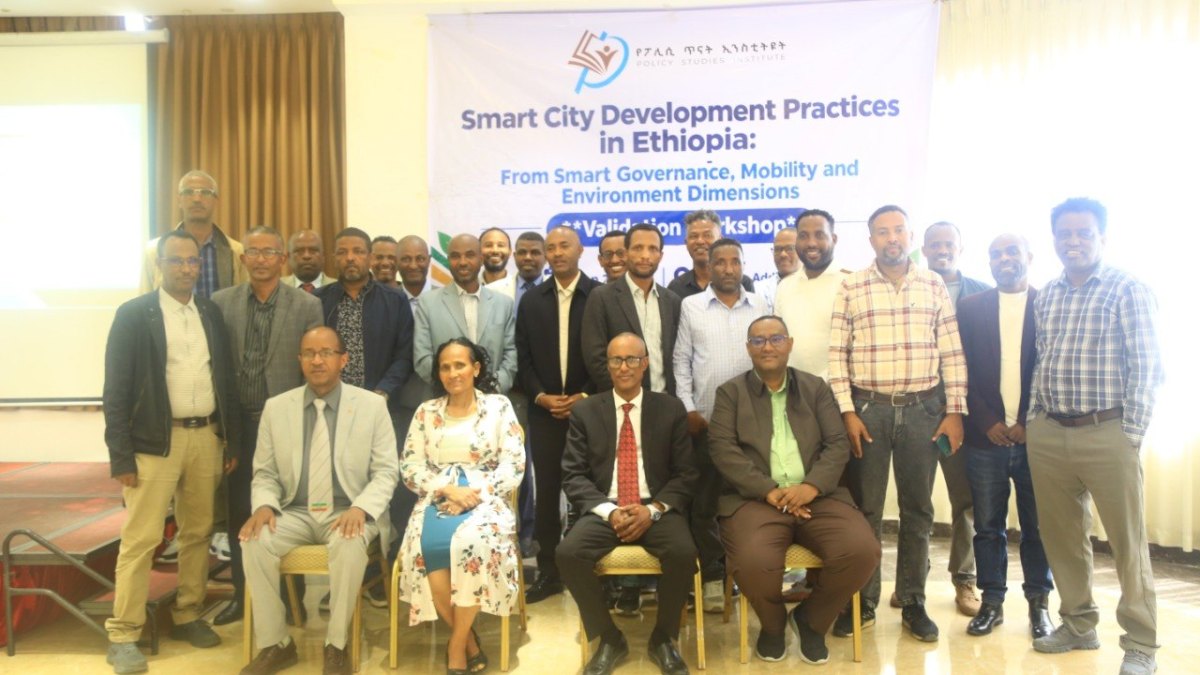
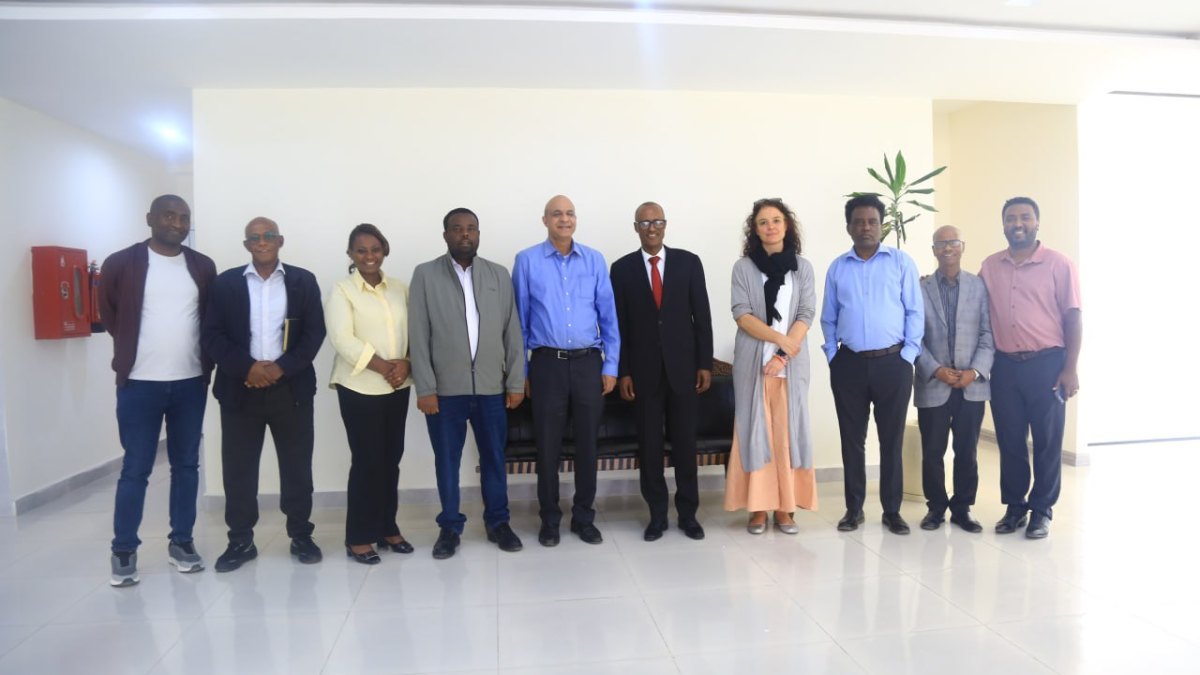
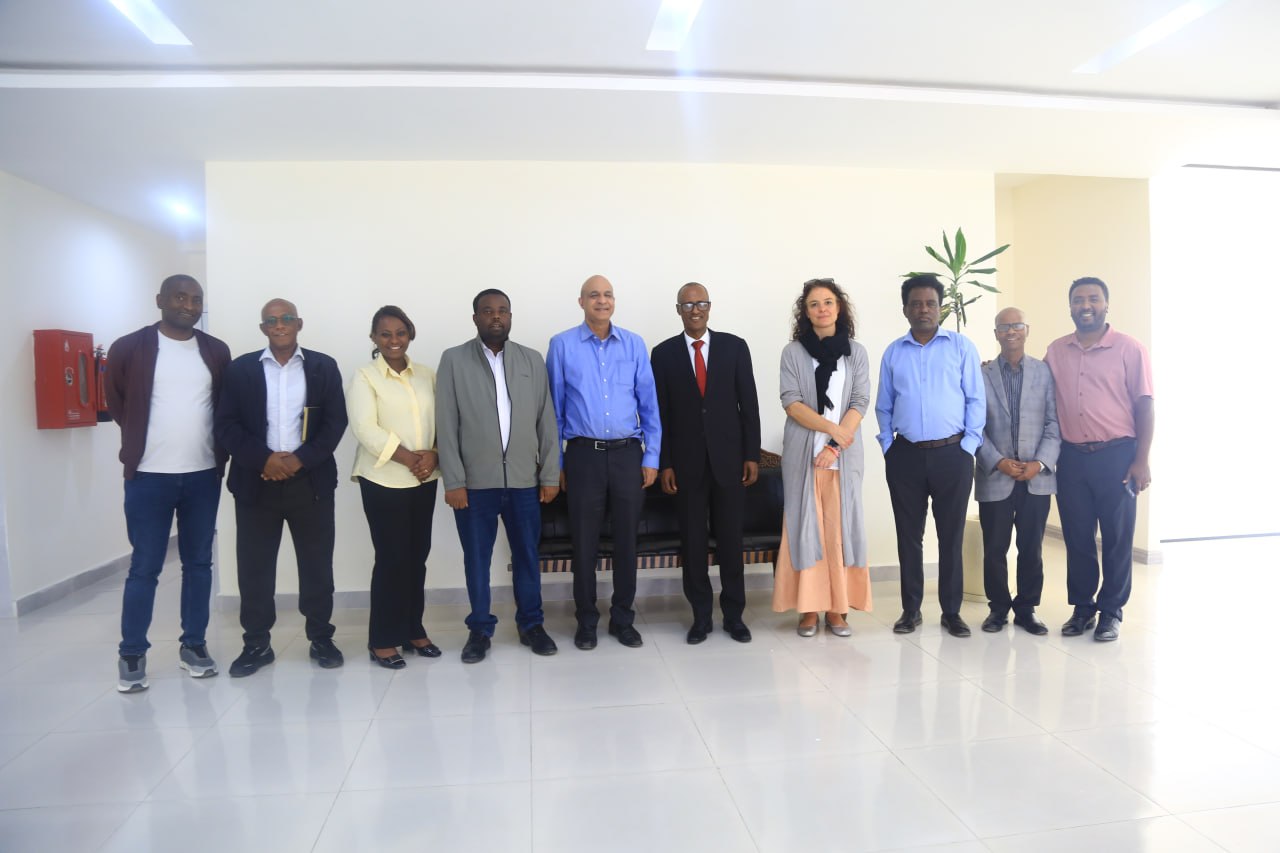
The participants agreed to continue discussions and explore priority areas for collaboration. The meeting concluded with an agreement to maintain the dialogue, followed by a group photograph.