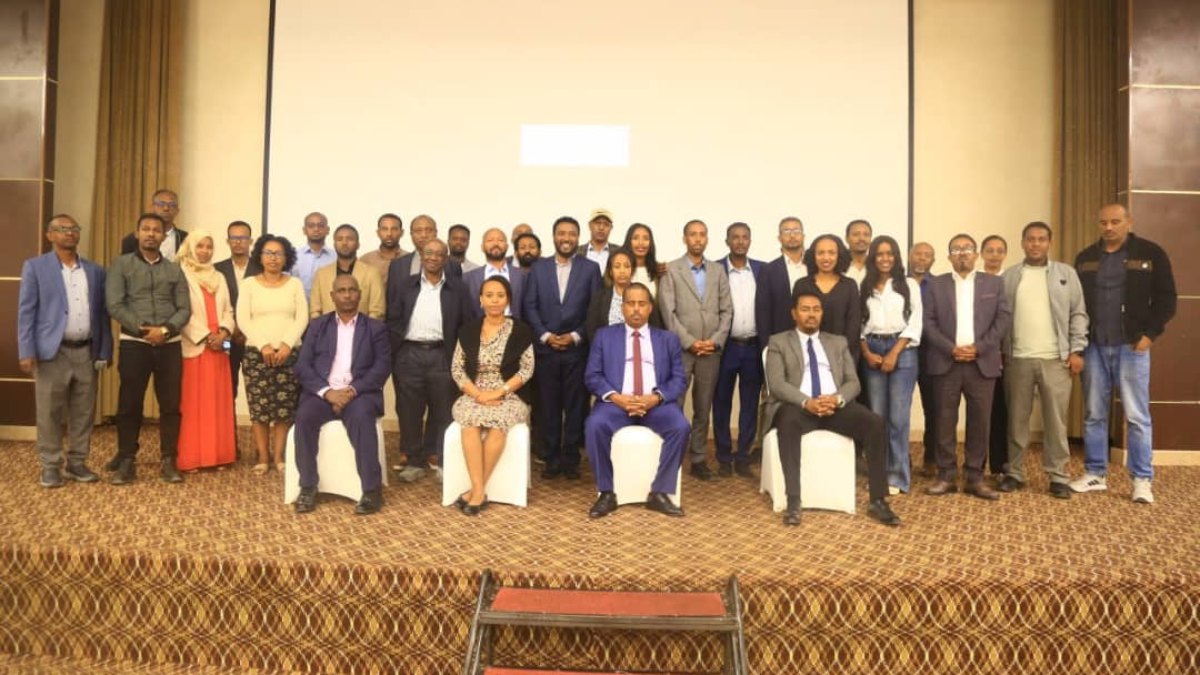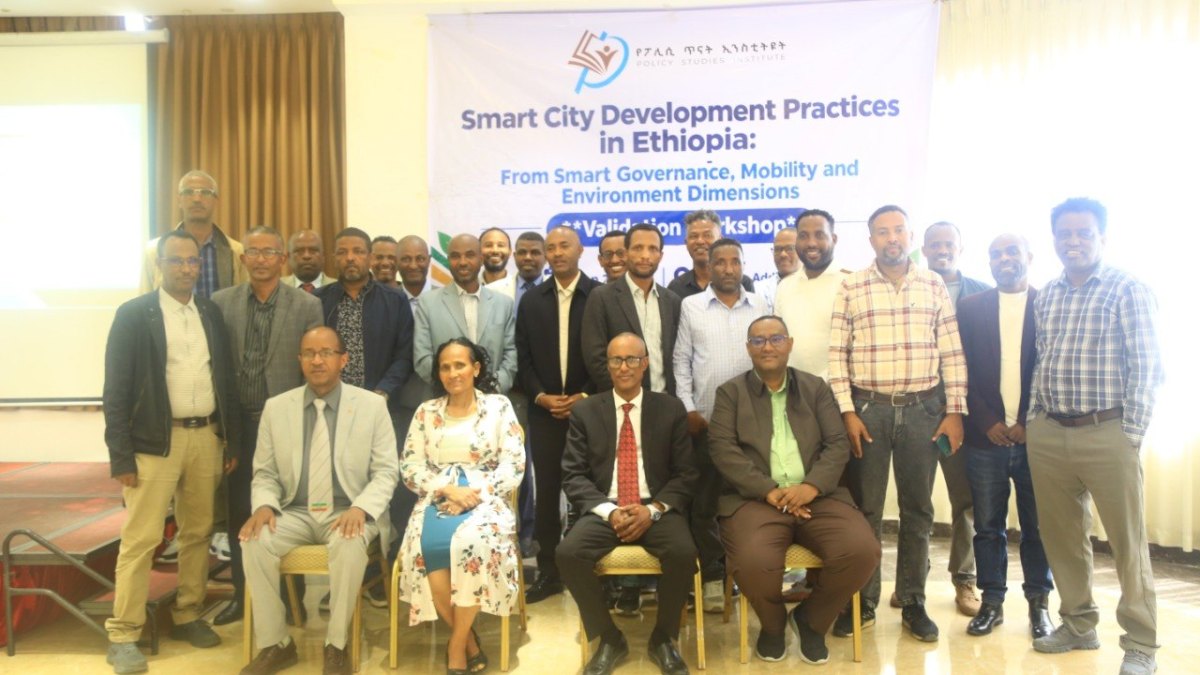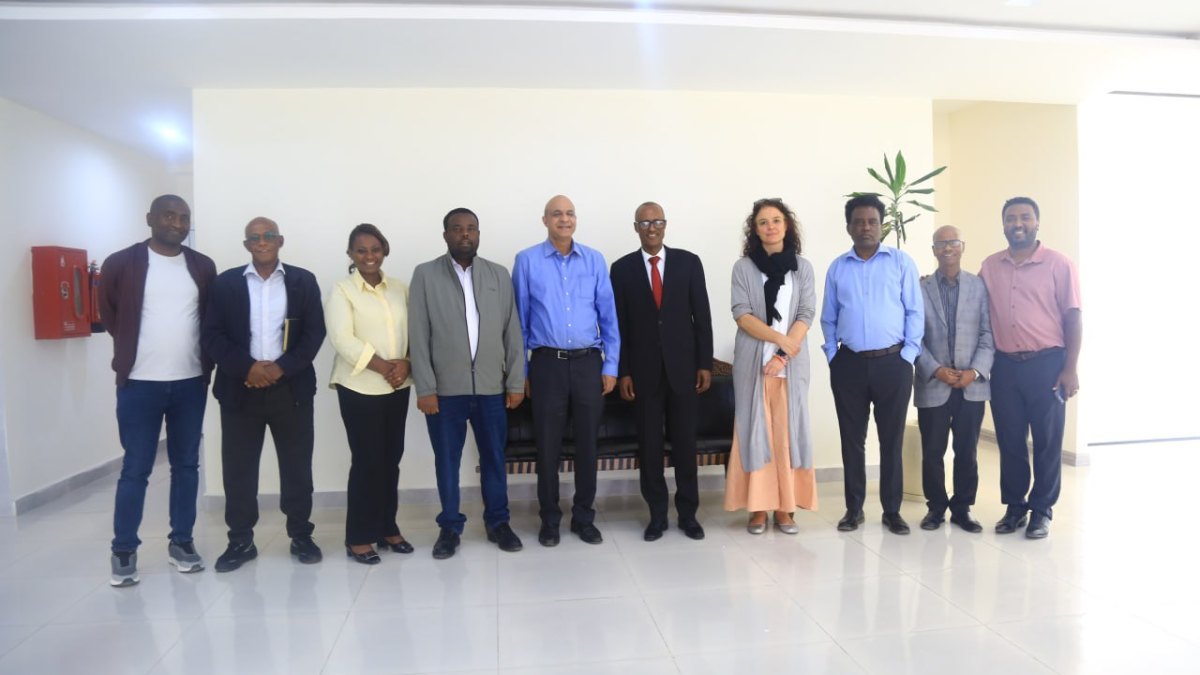
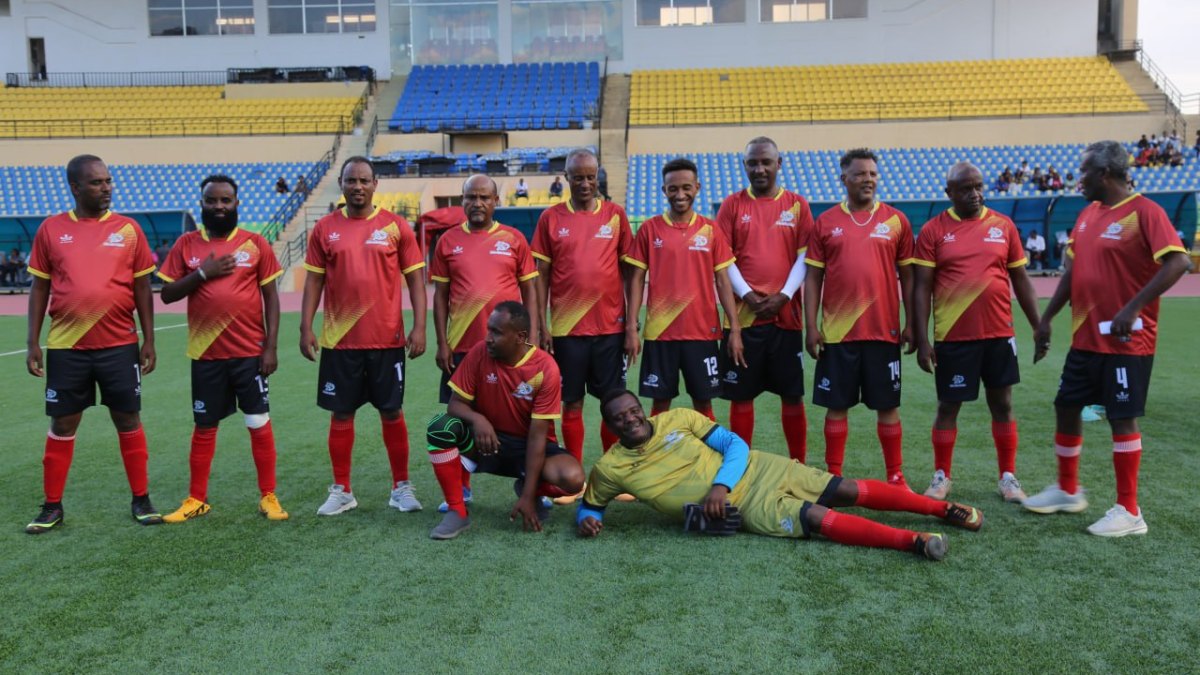
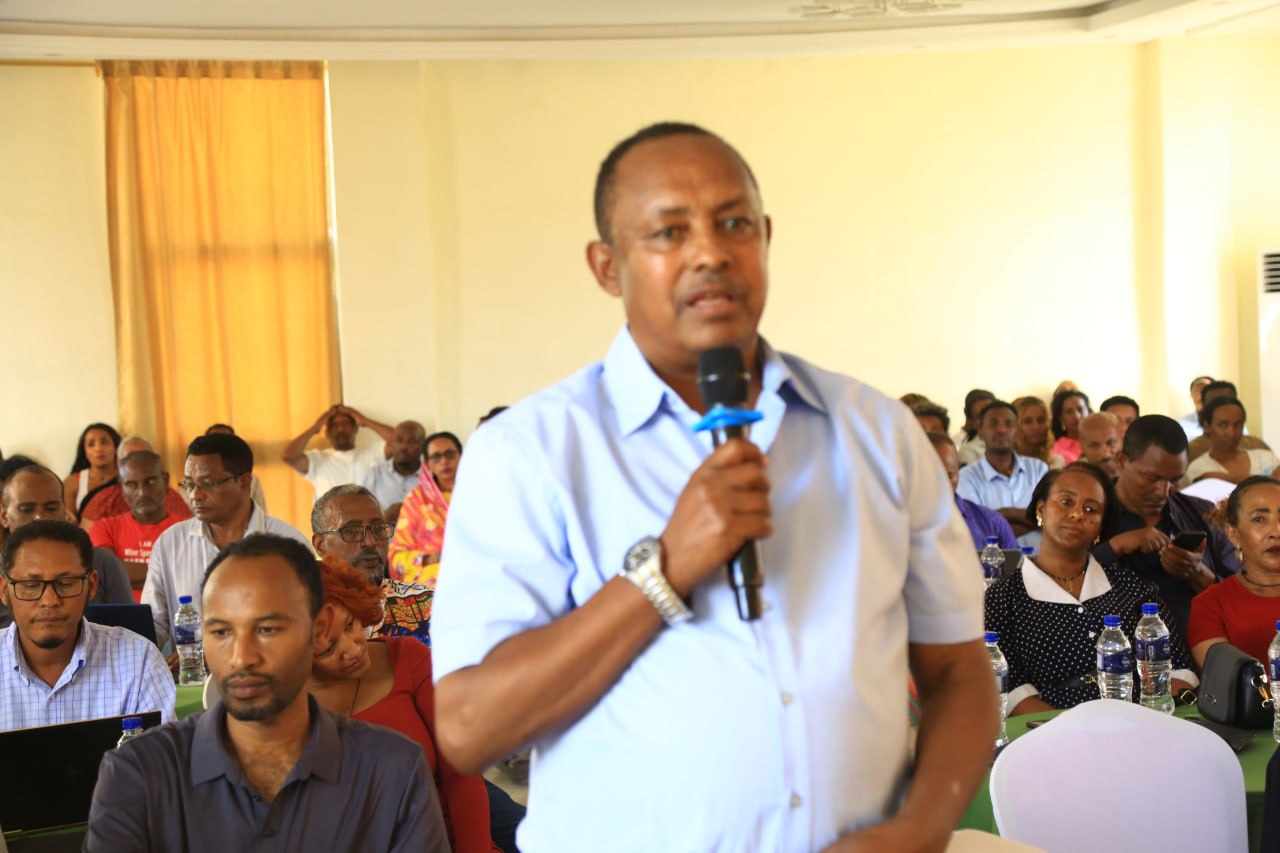
The Policy Studies Institute (PSI) conducted a five-day institutional program in Dire Dawa at Adane International Hotel, from August 26 to 30, 2026, bringing together staff for performance review, annual planning, team-building activities, community service, environmental action, and cultural engagement.
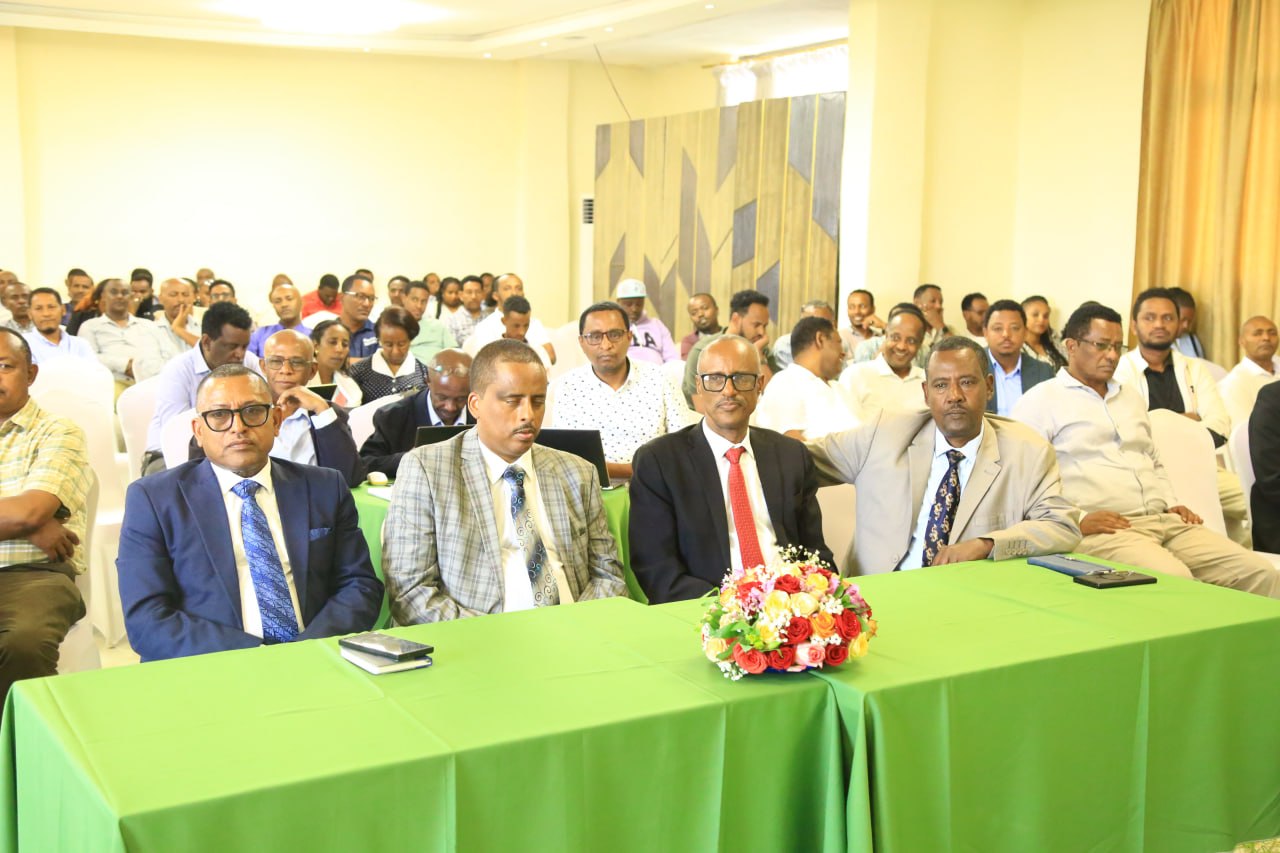
A major component of the program was the review of the Institute's performance during the fiscal year. Staff members reflected on activities undertaken, achievements and challenges, and areas requiring further attention. The discussions also provided an opportunity to draw lessons from the year's work and identify priorities for strengthening the Institute's research, policy engagement, and institutional functions.
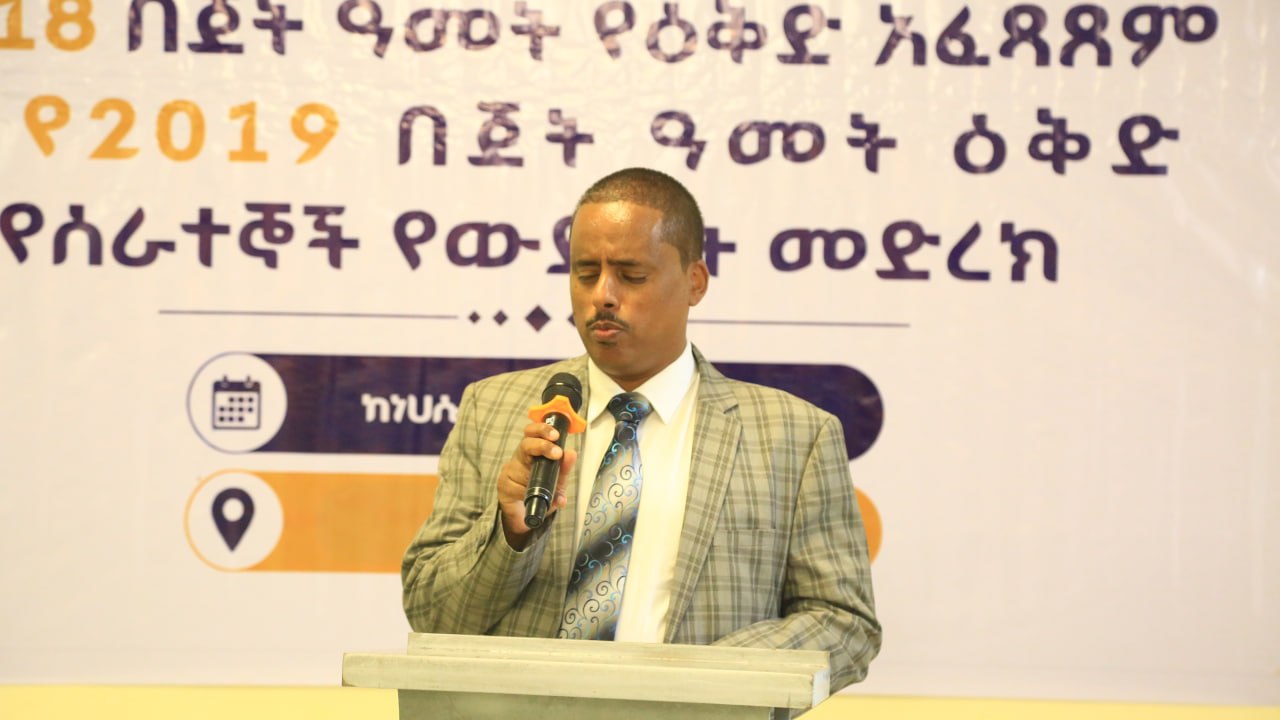
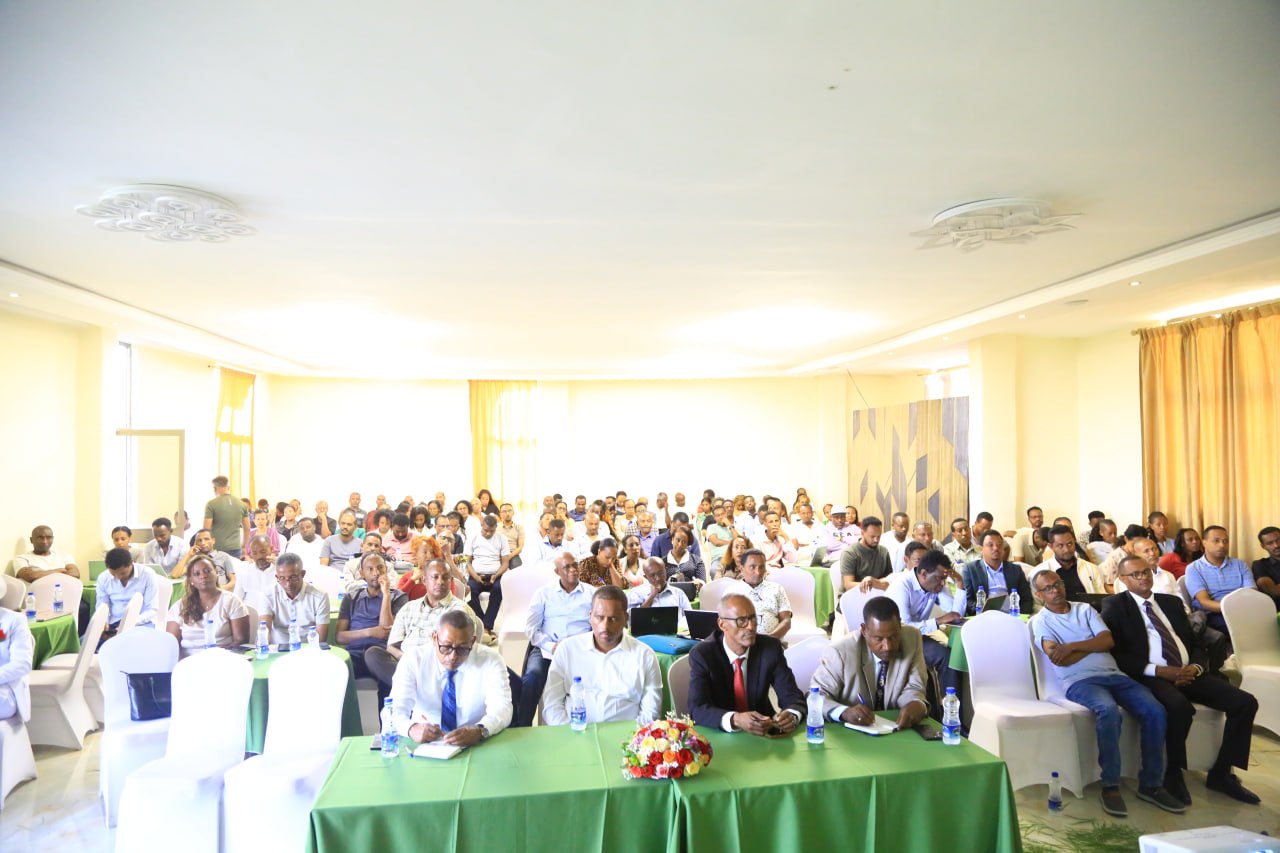
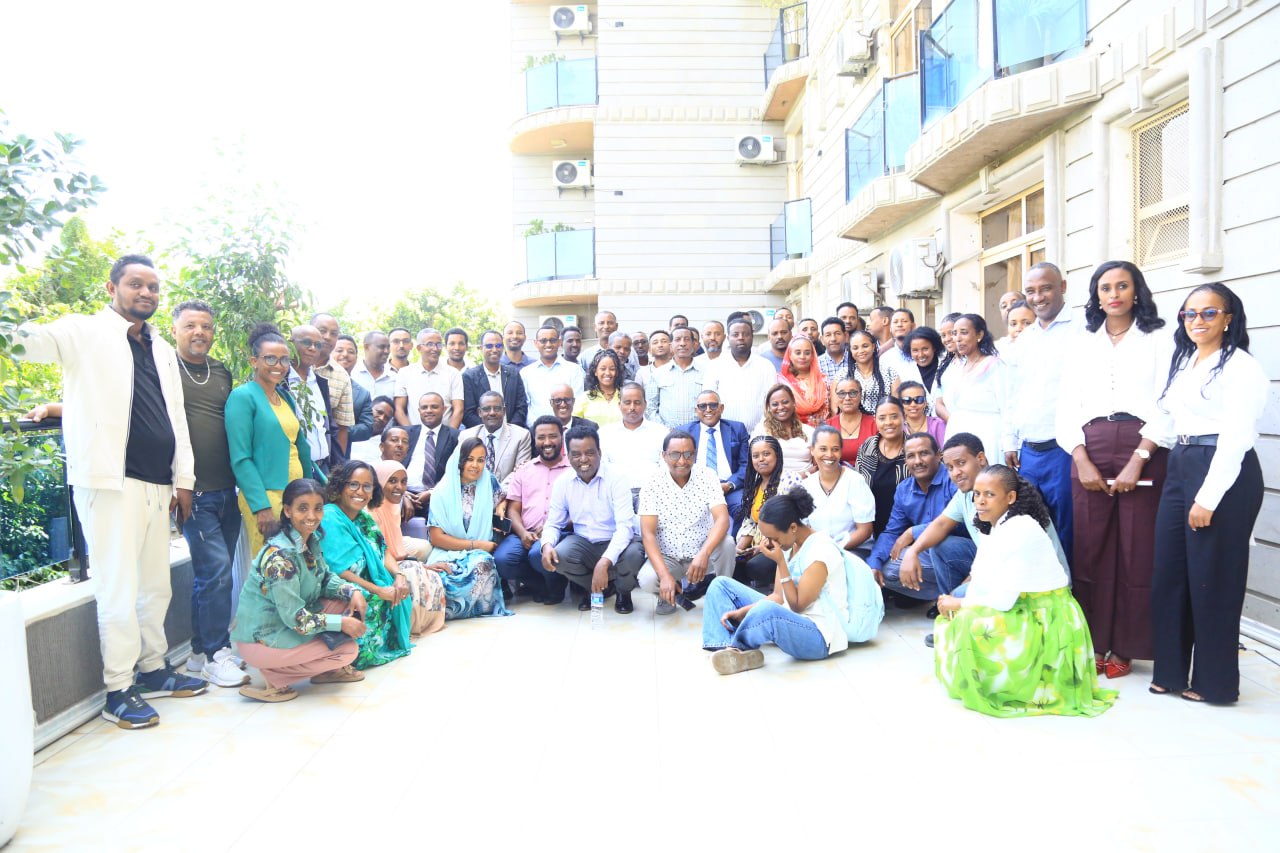
The farewell event also served as an occasion to reflect on the contributions of the two former leaders and to convey the Institute’s best wishes for their future endeavors. The leadership and staff of PSI thanked H.E. Mr. Teferi Tiyaru and H.E. Mr. Alebel Dessie for their service and commitment to the Institute and wished them continued success in their future professional and personal engagements.
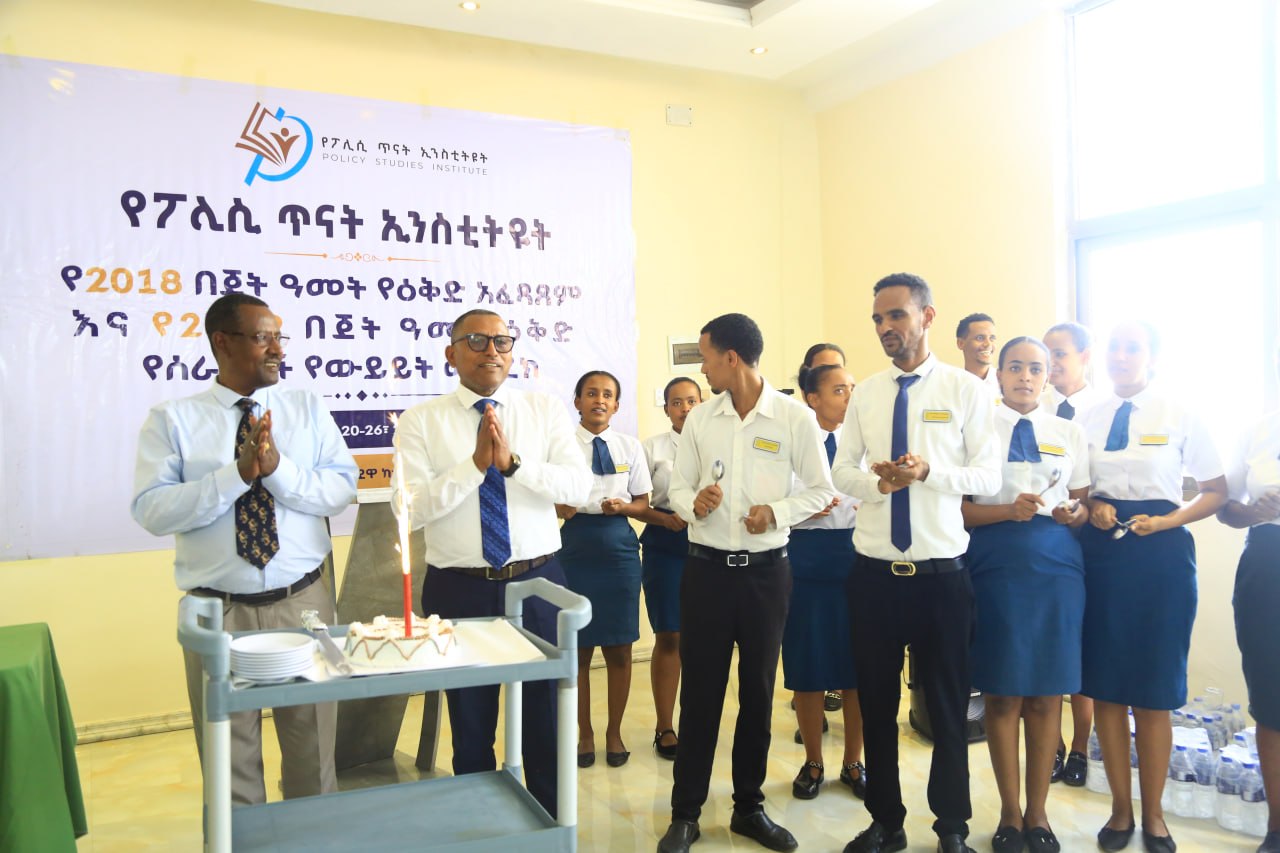
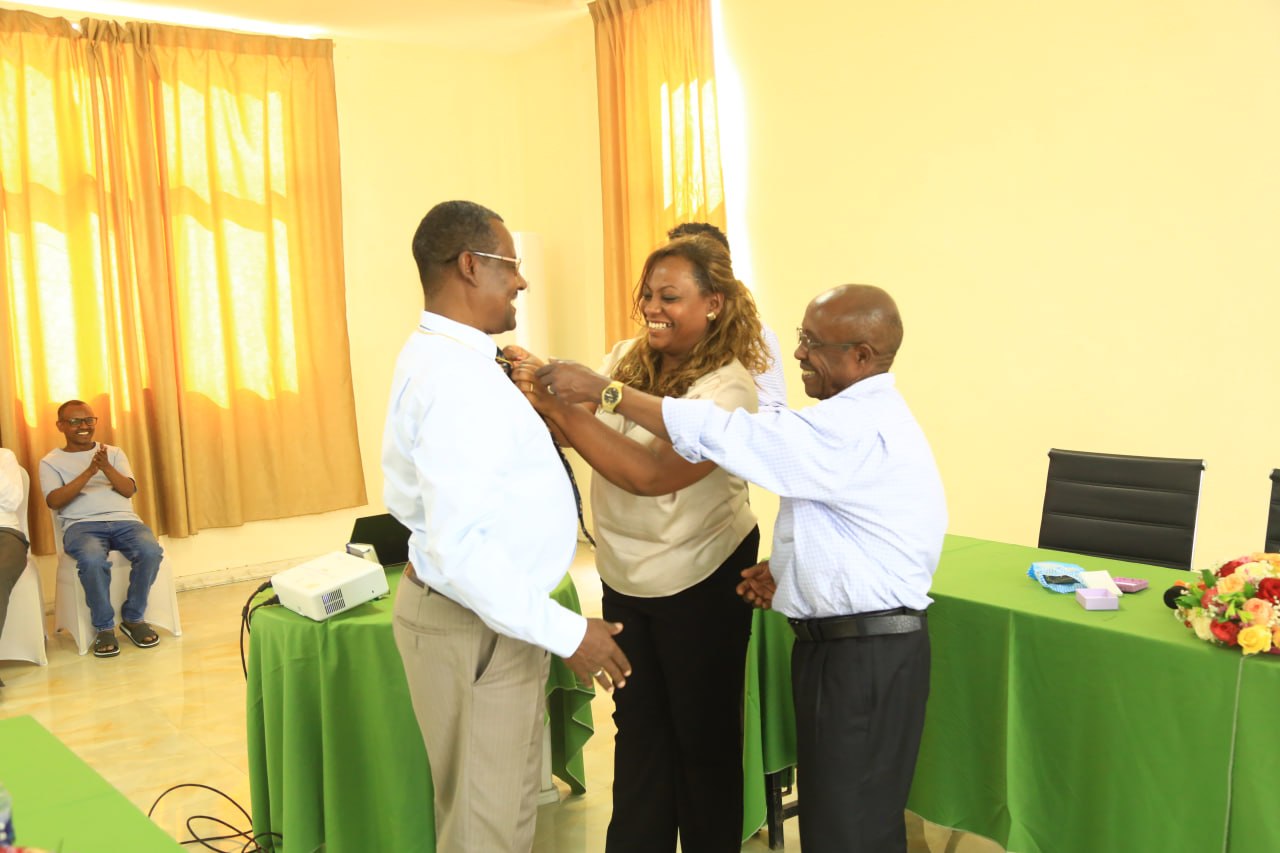
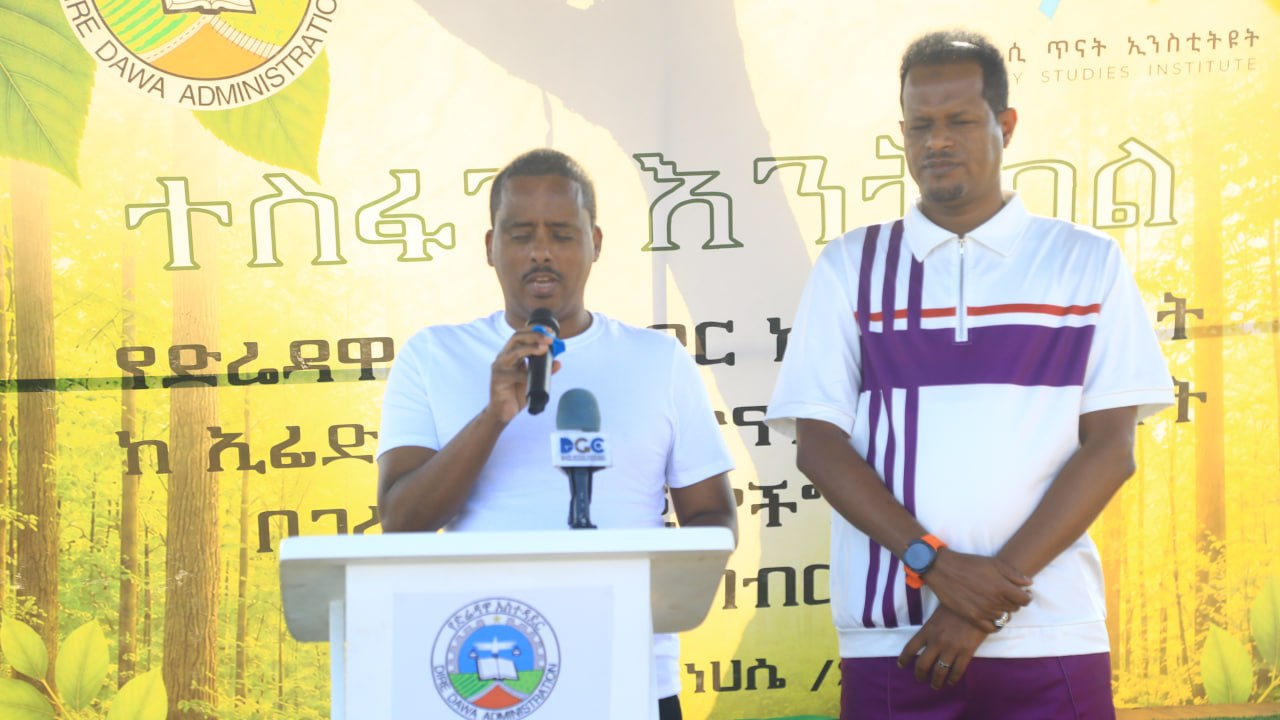
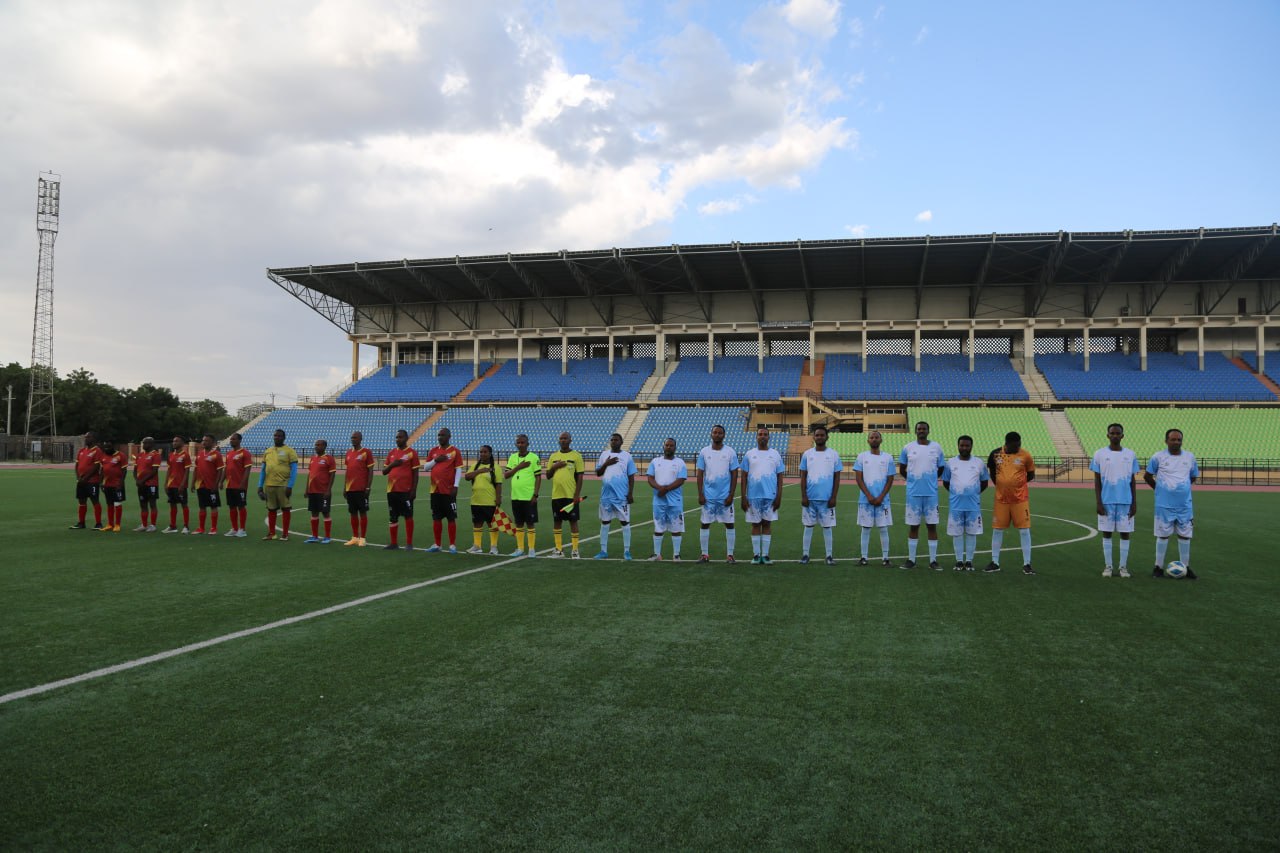
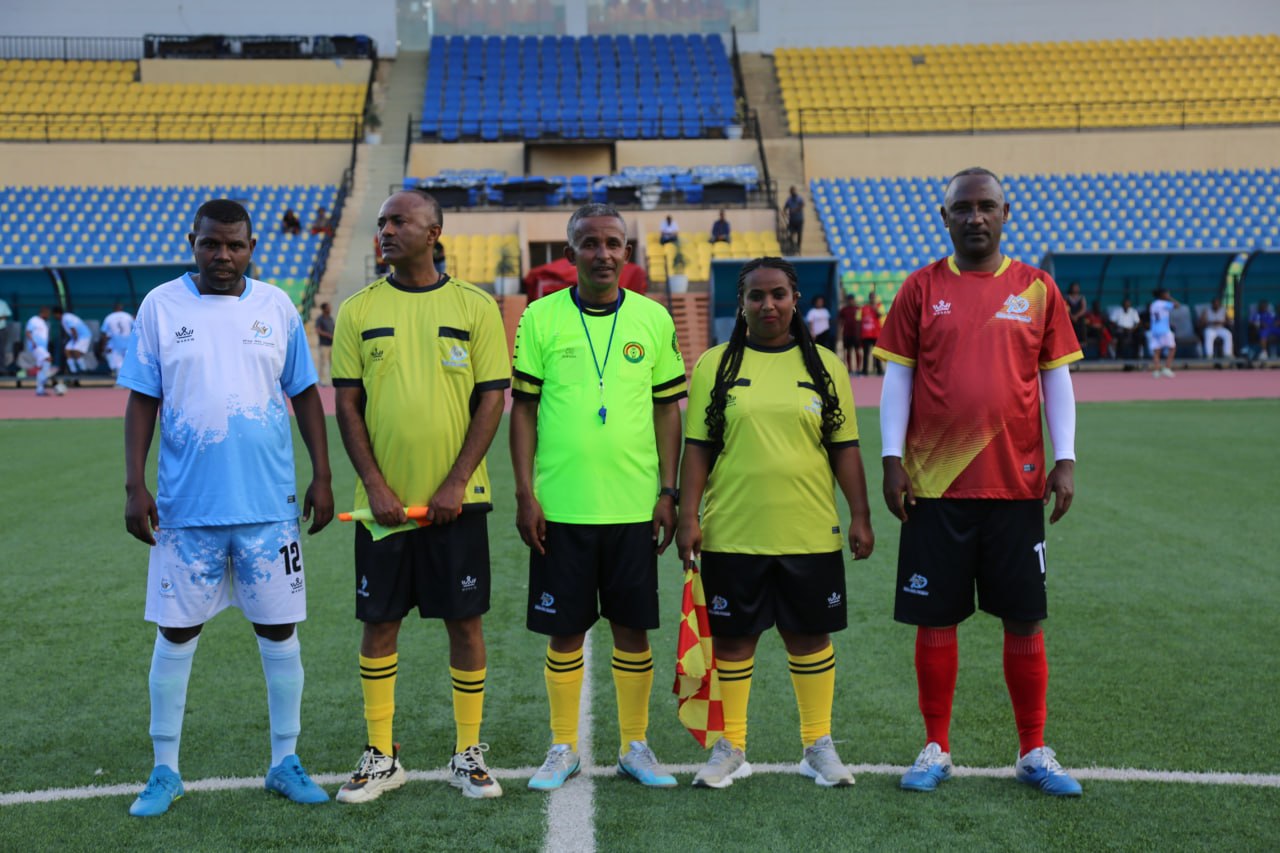
The activities were also intended to reinforce the importance of cooperation between research and administrative teams in achieving the Institute's institutional objectives.
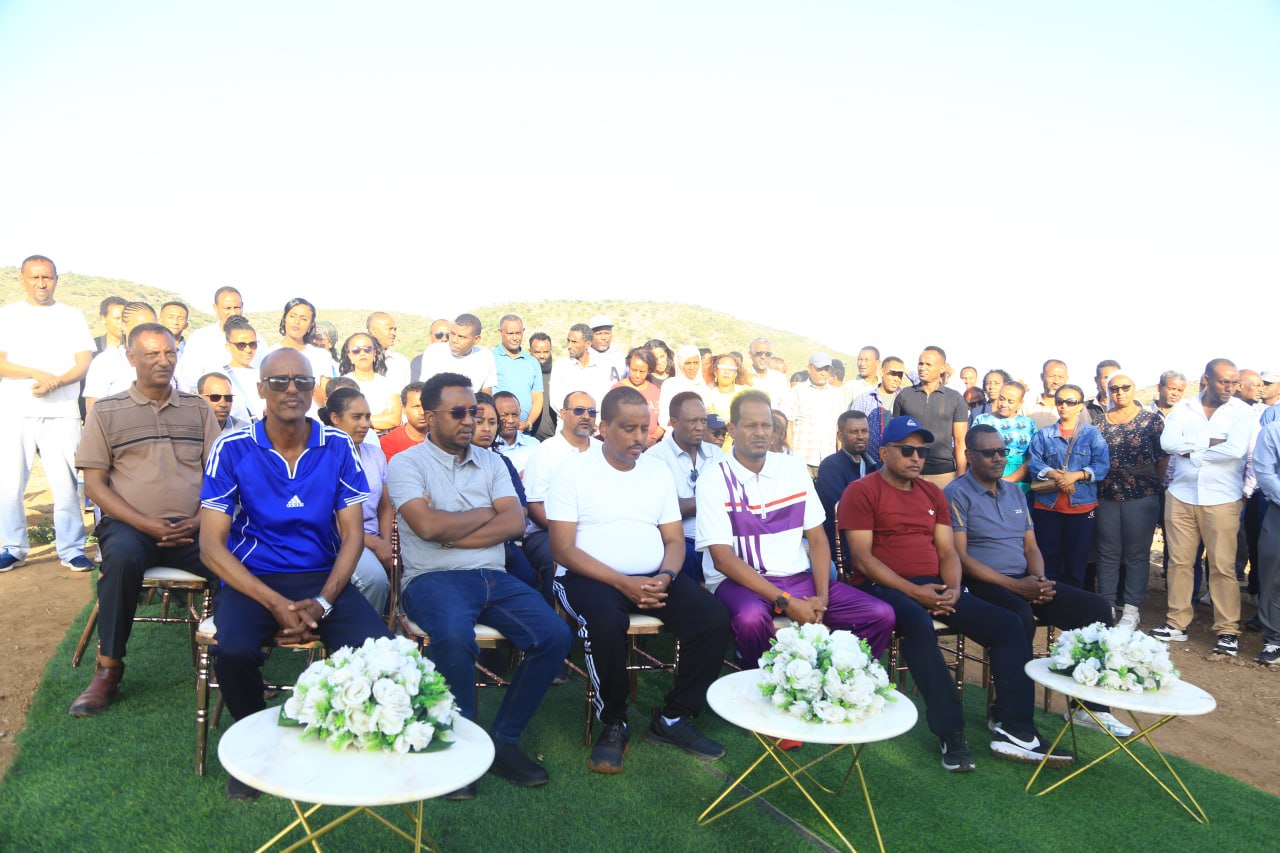
The activity highlighted the importance of collaboration between public institutions and local communities in promoting environmental sustainability. It also provided an opportunity for PSI staff to contribute to practical environmental action alongside their research and policy-related responsibilities.
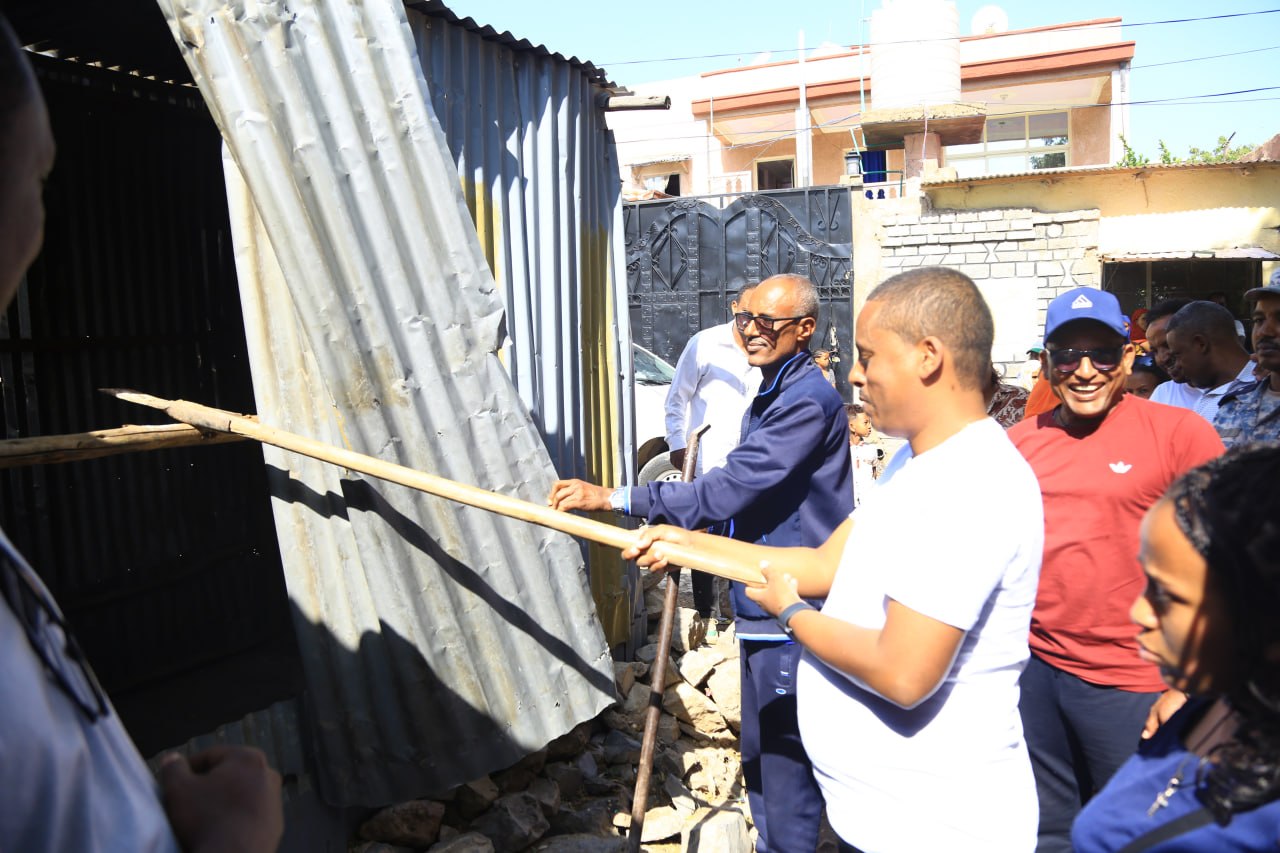
PSI staff also took part in a house-building activity for people in need in collaboration with the Dire Dawa City Administration.
The initiative formed part of the Institute's broader community engagement activities and provided staff with an opportunity to contribute directly to a practical community development effort.
The activity also demonstrated the value of institutional partnerships in addressing community needs and strengthening social responsibility.
The Institute further contributed to the local community by donating books and learning materials to children in Dire Dawa.
The donation was intended to support children's access to educational resources and encourage learning and reading. The initiative reflected the importance of education and knowledge development as foundations for long-term social and economic progress.
For PSI, the activity also complemented its broader institutional focus on knowledge generation, research, and policy development.
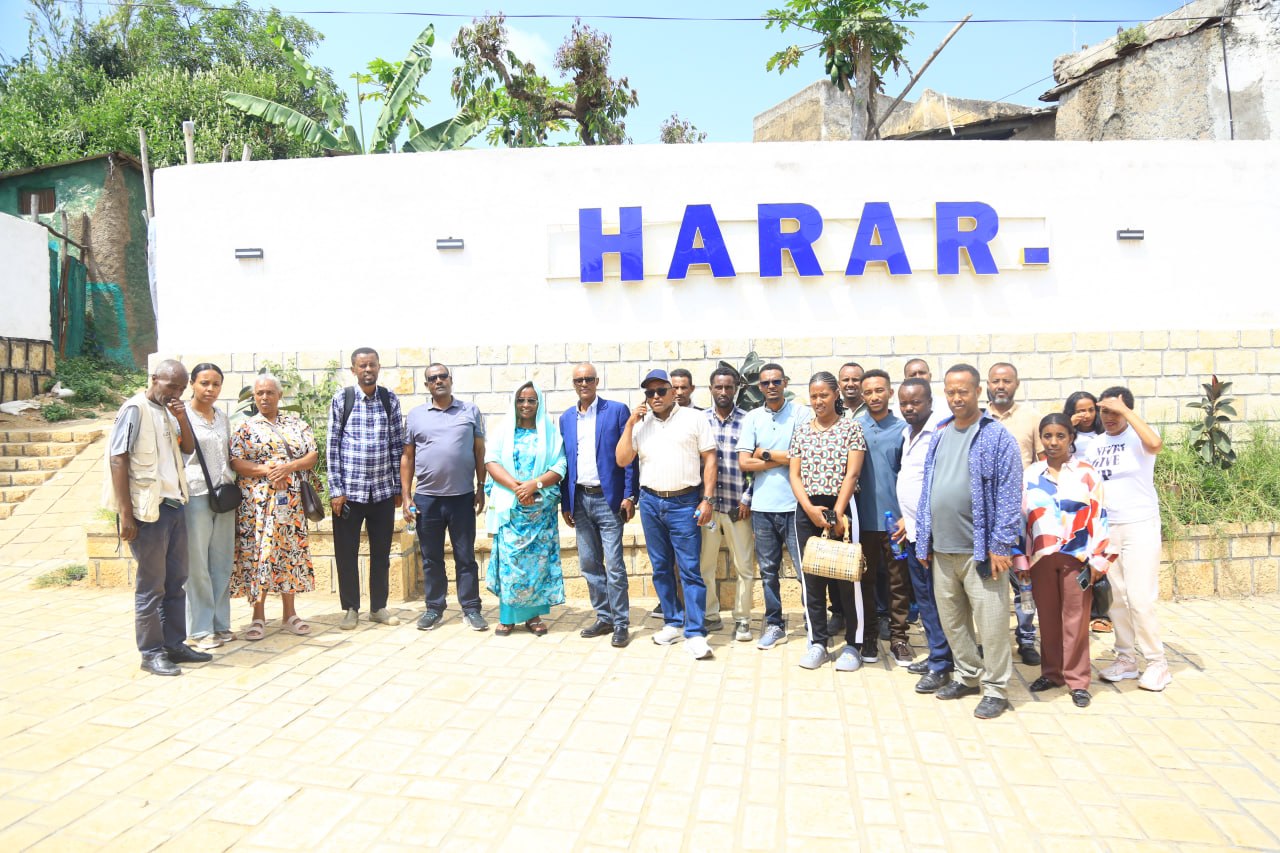
The program also included a visit by PSI staff to Harar, providing an opportunity for employees to explore the city's historical and cultural heritage.
The visit added a cultural and social dimension to the institutional program and provided staff members with an opportunity to interact outside their regular working environment while gaining greater appreciation of the heritage of eastern Ethiopia.
The activities undertaken in Dire Dawa combined institutional reflection and planning with staff development and community engagement.
The performance review and planning sessions provided an opportunity for PSI staff to assess their work and consider future priorities, while the farewell ceremony recognized institutional service. The social activities promoted teamwork, and the community initiatives demonstrated engagement in environmental protection, housing support, and education.
The collaboration with the Dire Dawa City Administration also underscored the importance of partnerships between research institutions and local governments in addressing development challenges.
Overall, the five-day program provided PSI staff with an opportunity to reflect on institutional performance, prepare for the coming fiscal year, strengthen team spirit, and participate in activities benefiting the wider community.
The program demonstrated an integrated approach to institutional development in which professional responsibilities, staff wellbeing, community engagement, environmental responsibility, and cultural awareness were brought together as complementary elements of the Institute's work.