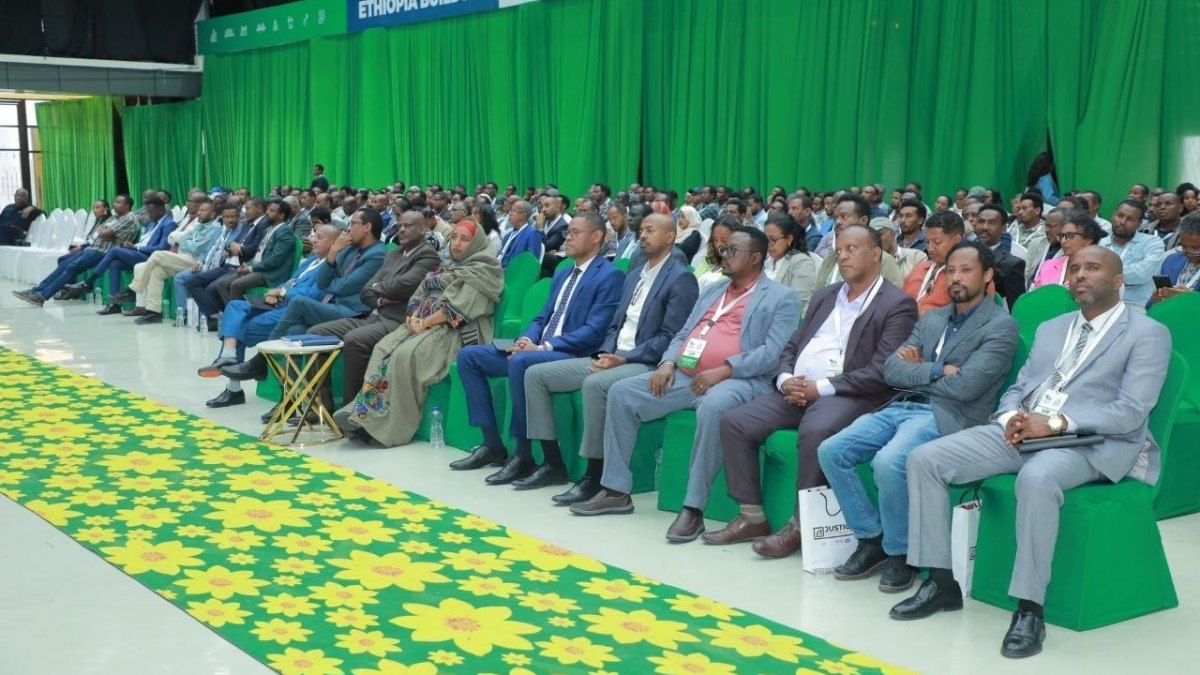
At the 2026 Africa Evidence Summit, researchers Tekalign Gutu Sakketa (IDOS), Muhammed Usman (World Bank), and Abbi Kedir (AERC) presented a study examining how exposure to violent conflict affects children's human capital development in Ethiopia, Nigeria, Rwanda, and Uganda, using DHS data (2003–2018) linked with geocoded conflict data from UCDP and ACLED across more than 100,000 children for nutrition analysis and 360,000 for schooling analysis. The study found that each additional conflict exposure significantly increased malnutrition risks—approximately 3% for stunting, 35% for underweight, and 58% for wasting relative to mean levels—and disrupted education through delayed grade progression (7–22% increase, strongest in Nigeria) and school dropout (about 7% increase), with rural children experiencing more severe long-term effects and urban children stronger short-term effects. The researchers identified multiple interconnected pathways, including reduced healthcare utilization (fewer antenatal visits, vaccinations, and treatment-seeking), rising food prices (e.g., a 19% increase in cereal prices in Ethiopia), disrupted food and agricultural markets, declining maternal dietary diversity, and psychological trauma, concluding that conflict is not only a humanitarian and security crisis but a long-term human-capital crisis requiring integrated health, nutrition, education, social-protection, and psychosocial interventions to protect Africa's future development.
16 Aug 2026
1 minute read
Conflict Exposure and Human Capital Formation of Children in Four African Countries
At the 2026 Africa Evidence Summit, researchers Tekalign Gutu Sakketa (IDOS), Muhammed Usman (World Bank), and Abbi Kedir (AERC)....