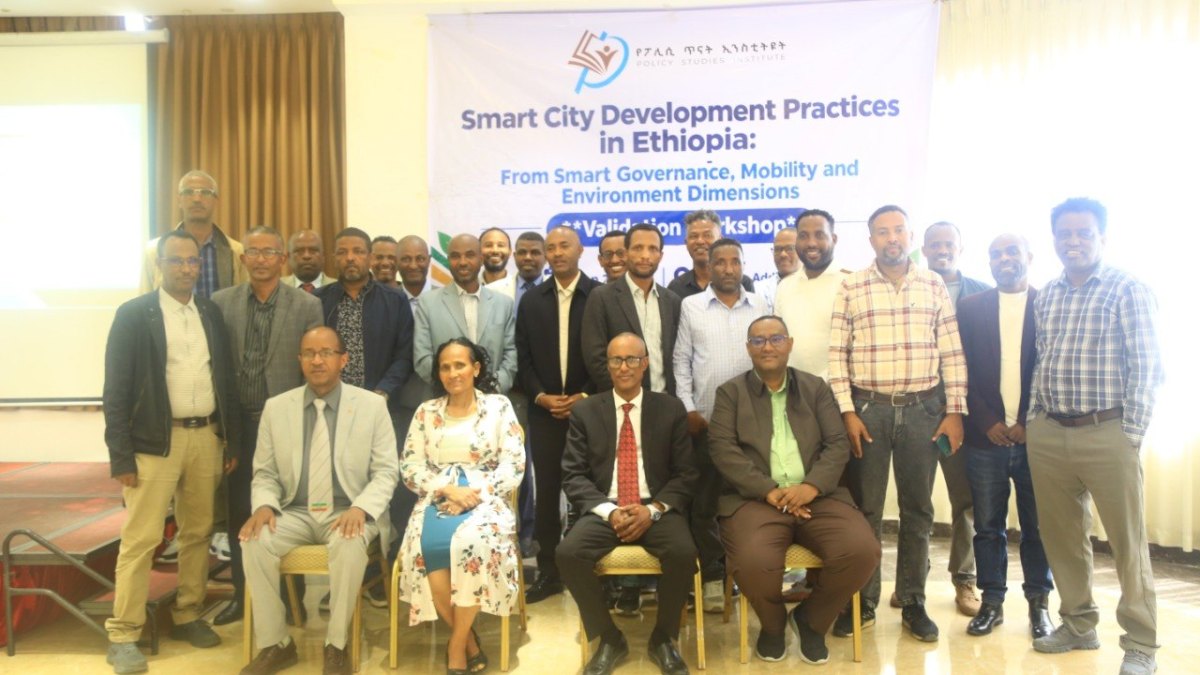
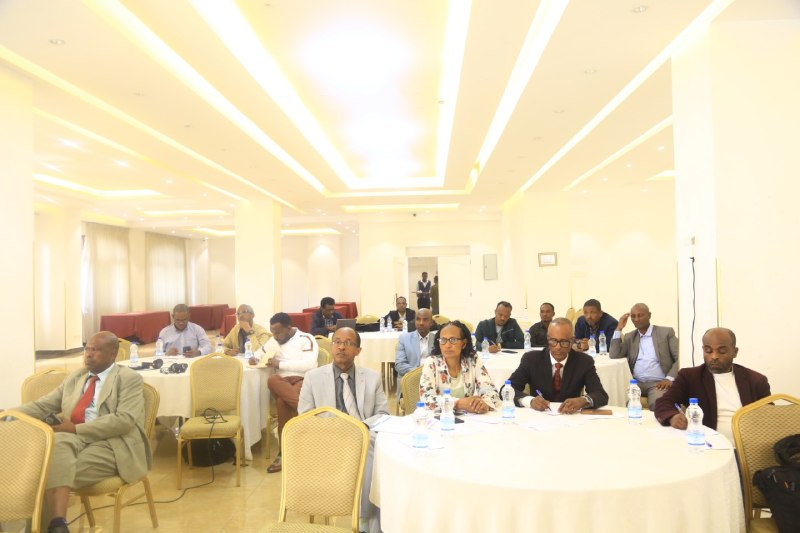
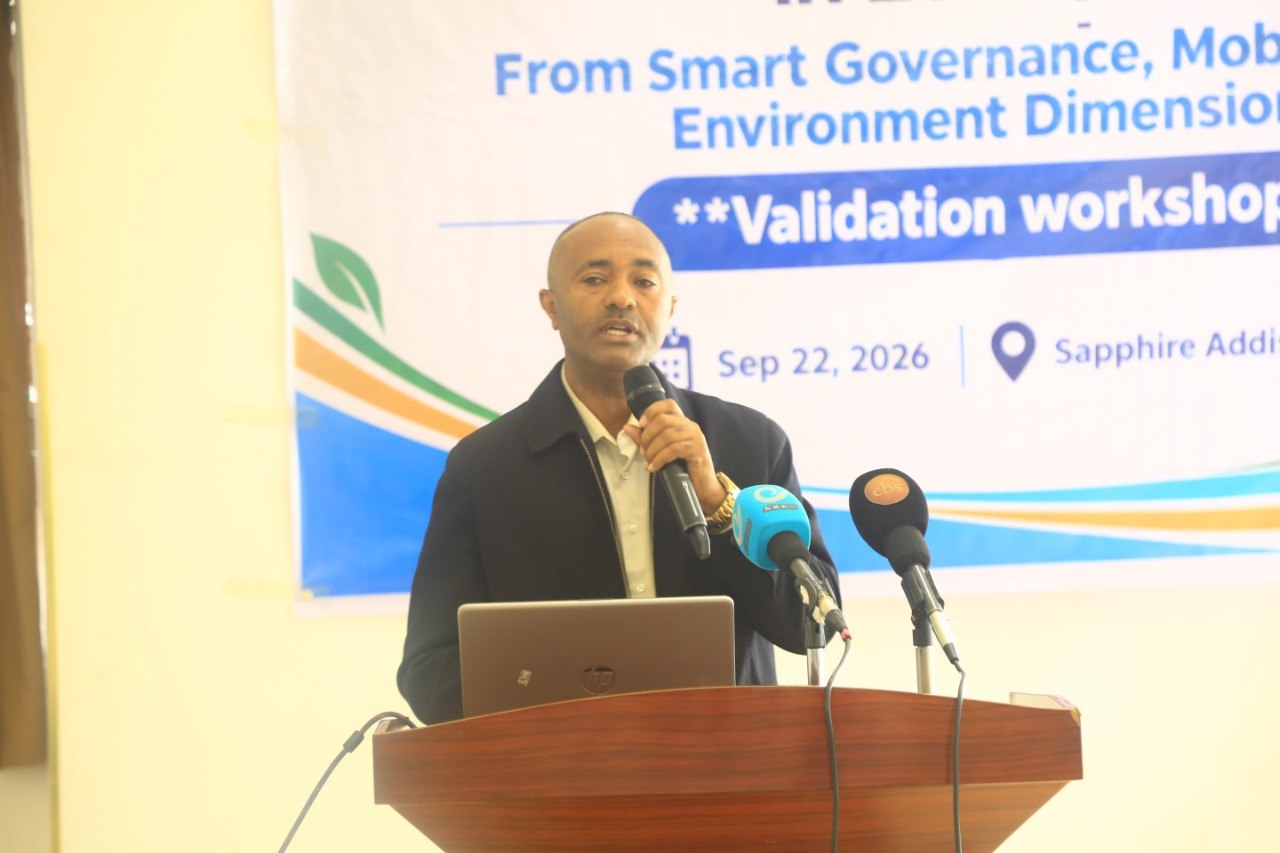
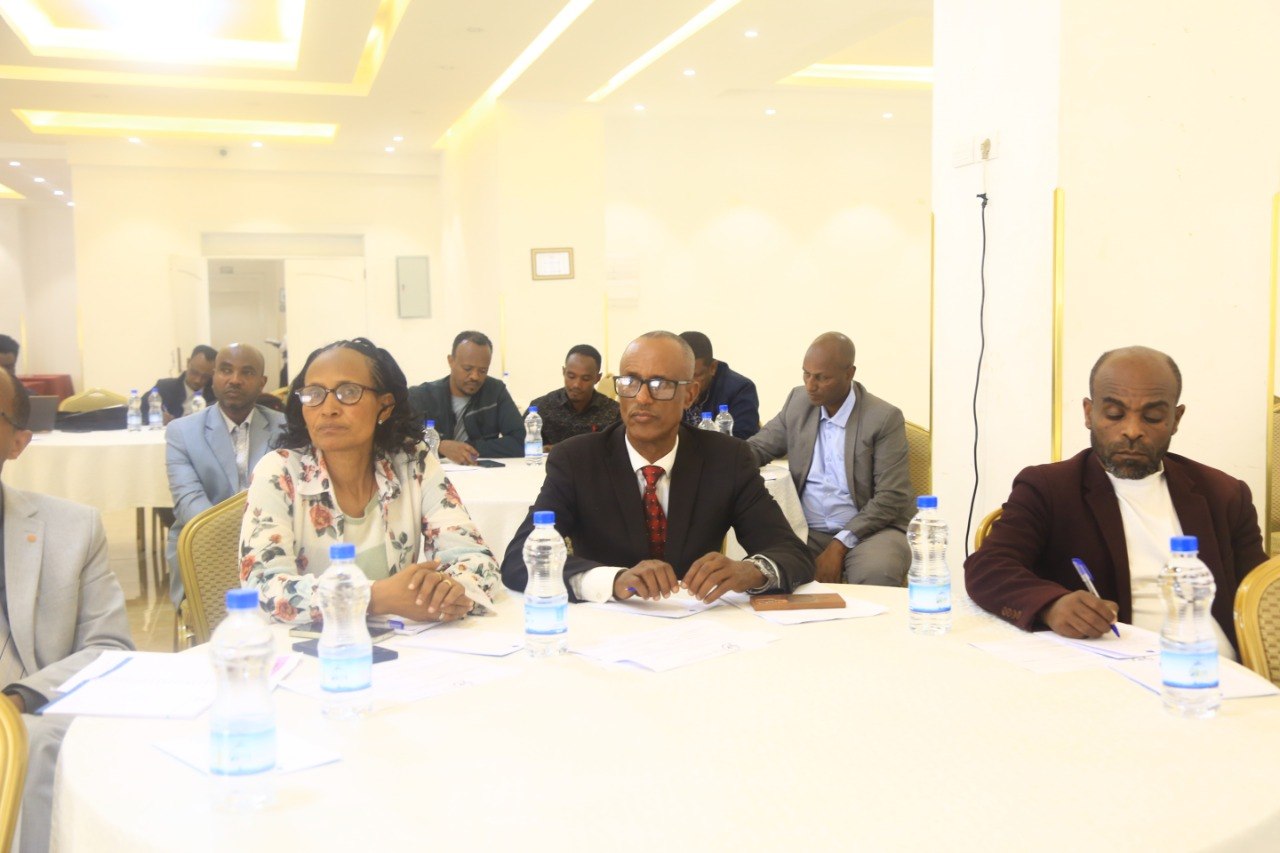
A recent assessment of smart-city development in Ethiopia which is conducted by researchers of the Policy Studies Institute has found that cities are making initial efforts to adopt smart-city approaches, but significant gaps remain in understanding, strategic planning, institutional capacity and coordination.
The assessment reportedly found that the Ministry of Urban and Infrastructure (MoUI) had a relatively comprehensive understanding of the concept of a smart city. However, understanding among city administrations was said to remain largely sector-specific and technology-centred.
According to the assessment, the concept of a smart city was not yet sufficiently understood by many of the informants consulted. The limited understanding was identified as a potential obstacle to translating the national smart-city strategy into practical action and realizing viable smart cities across the country.

The assessment also examined whether cities had developed clear roadmaps and strategic documents for smart-city development. It reported that MoUI had prepared or was developing key national-level instruments, including a draft Smart City Development Strategy, Smart City Development Guidelines and Municipal Service Standards.
Addis Ababa was reported to have made relatively significant progress, although its smart-city roadmap was considered only partial. Elements associated with smart-city development had reportedly been incorporated into the city's structural plan adopted in 2017. These included the Light Rail Transit (LRT), Bus Rapid Transit (BRT), corridor development, integration of utility lines with roads, and the designation of routes for bus services, including the Girdar Square–Piazza corridor.
In Dire Dawa, the assessment found that the city had identified ten pillars of smart-city development and that its annual plans referred to the framework. However, it was reported that the city still lacked a comprehensive smart-city programme document.
Adama had also identified ten pillars, while its current efforts were reportedly focused mainly on transforming traditional public services into electronic services. The areas identified included land management, revenue administration and court services. Hawassa, meanwhile, had reportedly set a long-term ambition of becoming the best city in Africa by 2050. However, the assessment indicated that the city's detailed smart-city roadmap was still under development. Bahir Dar was reported to have made good initial progress in smart-city development, although a comprehensive roadmap was not yet available.
The situation in Arba Minch was described as significantly less advanced, with little or no substantial smart-city development reported. The assessment stated that none of the cities examined had a comprehensive project or programme document that could serve as a full smart-city development roadmap. The assessment further examined the institutional structures established to coordinate smart-city development and build the necessary capacity.
At the national level, MoUI was reported to have established a dedicated desk responsible for coordinating activities related to smart-city development. The findings indicated that institutional arrangements at the city level were still evolving. Several cities were reportedly operating through project offices or similar arrangements, while Addis Ababa was considered to have a relatively more mature institutional structure. The assessment also found that capacity-building efforts remained fragmented and incoherent across cities, with cities relying on different institutions and partners for technical support.
In Adama, smart-city activities were reportedly coordinated through the Science and Technology Office. The city was said to rely on its own capacity while receiving additional support from MoUI, Adama Science and Technology University (ASTU), the Ethiopian Artificial Intelligence Institute (IAI) and INSA. In Dire Dawa, the Science and Technology Agency was reported to be responsible for the relevant activities, with support from Ethio Telecom, INSA and MoUI. Hawassa was reported to have established steering and technical committees, with capacity-building support from MoUI and IAI. Bahir Dar had reportedly established a Smart City Project Office, receiving support from MoUI and IAI.
In Arba Minch, the Science, Innovation and Technology Office was reported to be responsible for smart-city-related activities, with support from MoUI. Addis Ababa, meanwhile, was reported to have a dedicated bureau, the Addis Ababa Information Technology Development Bureau (AAITDB). The city was said to have its own institutional capacity and to procure additional expertise from private-sector organizations when required. The assessment found that Ethiopia's cities had taken important initial steps towards smart-city development, but progress remained uneven. The findings suggested that stronger efforts were needed to establish a common understanding of the smart-city concept, develop comprehensive city-level roadmaps, strengthen institutional arrangements and establish more coordinated capacity-building mechanisms.
The assessment indicated that addressing these gaps would be important for translating Ethiopia's national smart-city ambitions into practical, coordinated and sustainable urban transformation. The assessment further found that Ethiopia's smart-governance initiatives were largely focused on the expansion of electronic public services, although implementation remained at an early stage in most cities. The findings showed that technical challenges and service reliability continued to affect end users. According to the assessment, 46.8 percent of respondents said they had experienced technical or service-related challenges, while 53.2 percent reported that they had not encountered such problems. The assessment also examined whether users required assistance when accessing e-services. It compared users' experiences during their first use of services with their more recent experiences.
The findings indicated that the need for assistance varied between the first and subsequent use of services. In Addis Ababa, for example, 81.7 percent of users reportedly required assistance during their first experience, while the corresponding figure for their recent experience was 40.5 percent. In Adama, the figures were reportedly 90.7 percent during first use and 64.7 percent during recent use. The findings suggested that users were becoming more familiar with electronic services over time, although a considerable proportion continued to require assistance.
The assessment also identified several sources of assistance, including family members, friends, non-relatives, service centres and institutions. This indicated that users relied on both personal networks and formal service providers when they encountered difficulties in accessing digital services. The assessment reported that smart governance in Ethiopia was currently largely e-service oriented and remained at an early stage in most cities. One of the major examples cited was the Addis Ababa Mesob digital service, which had been introduced to provide government services through a digital platform. According to the assessment, Mesob services had initially been introduced in a dispersed manner, with key government services identified for digital delivery. The platform had initially offered 107 types of services.
The assessment reported that the system had subsequently expanded, with nearly 25 government institutions having launched digital services through the Mesob platform. However, awareness among users and customers was initially reported to have been limited. The assessment indicated that public understanding of the system was gradually improving.
Another challenge identified was that some users reportedly arrived at service centres without the required information or supporting documents, resulting in delays in accessing services. Despite these challenges, the assessment reported a high level of satisfaction among users of Mesob services. A feedback-collection system had reportedly been established to assess users' experiences. Based on the feedback collected, 99.02 percent of users were reported to be satisfied with the services being delivered.
The assessment also indicated that the federal Mesob platform was receiving approximately 1,500 to 2,000 users per day, demonstrating significant demand for digital government services. The assessment further reported that efforts were being made to integrate government services so that users could access multiple services through interconnected digital systems. Integrated services had reportedly been launched in key areas, including the Road Fund and driving-licence services. Online document-authentication services had also been introduced.
In addition, the assessment indicated that the integration of services had begun at the Ethiopian Investment Commission, suggesting that the scope of integrated digital government services was gradually expanding. Despite the progress, the assessment identified several challenges affecting the effective implementation of the Mesob system. These reportedly included difficulties in organizing and managing users' documents, as well as the limited coverage of the national digital ID system and the requirement for users to have a digital ID.
The assessment also reported that some users had not opened or activated Telebirr accounts, limiting their ability to make online payments for government services. Another major challenge was system integration, as not all government services had yet been integrated into the Mesob platform. The assessment further noted that physical presence was still required for some services, meaning that the transition to fully digital service delivery had not yet been completed. The findings indicated that Ethiopia's smart-governance agenda was making progress through the expansion of e-services and service integration. However, technical challenges, limited awareness, incomplete system integration, digital-ID coverage, payment constraints and the continued requirement for physical presence remained important barriers to achieving fully integrated digital government services.
The assessment also examined Ethiopia's progress in smart mobility and smart environmental management, reporting that cities had begun introducing new approaches to improve transportation, expand green infrastructure and use digital technologies for environmental monitoring.The assessment reported that Ethiopian cities had previously been characterized by narrow roads and difficult traffic flows. However, this situation was gradually changing through corridor development and improvements to urban transport infrastructure.
According to the findings, cities had begun developing pedestrian walkways and bicycle lanes while upgrading the capacity of existing road corridors. These interventions were reportedly intended to improve mobility, enhance road safety and make urban transportation more efficient. The assessment also noted a gradual shift towards electric energy in transportation. However, it reported that policies and regulatory frameworks governing electric vehicles (EVs) were still under development.
Digital technologies were also increasingly being used to support urban mobility. The assessment indicated that CCTV cameras, situation rooms and GPS devices were being deployed to improve traffic management, monitoring and public safety. The assessment reported that the Ministry of Transport and Logistics (MoTL) had an important mandate in supporting smart-city development through the modernization and digitalization of the transport sector. The Ministry was reportedly responsible for developing policies and strategies, establishing technical standards, promoting research and innovation, and supporting the expansion of digital infrastructure. It was further reported that an E-Mobility Strategy and Implementation Plan had been prepared as part of efforts to promote electric transportation.
Among the major initiatives highlighted was the rapid expansion of electric vehicles in Ethiopia. The assessment estimated that there were approximately 100,000 electric vehicles in the country as of 2025, while the national target was to increase the number to 500,000 by 2030. The government was also reported to have introduced fiscal incentives for electric vehicles and charging-station infrastructure in an effort to encourage the transition to electric mobility. The digitalization of transport services was another major initiative. Services such as driving-licence renewal were reportedly being digitalized, while smart parking systems and digital payment mechanisms were being piloted.
The assessment further indicated that efforts were underway to modernize public transportation, including upgrading public-transport fleets and introducing improved buses. The assessment also examined the environmental dimension of smart-city development, particularly greenery coverage and functional green infrastructure. In Adama, the assessment reported that functional green facilities within the built-up area covered approximately 231 hectares, or about 5 percent. Green infrastructure reportedly covered 53.81 percent of the city's administrative territory, equivalent to approximately 29,224 hectares. This green infrastructure included surrounding forest areas, urban agriculture and other green spaces. The assessment reported that approximately 29.5 percent, or 16,018.8 hectares, of the total green infrastructure had been designated as a smart ecosystem.
Adama had reportedly developed four parks, while communities had established 27 local and neighbourhood-level parks through the city's corridor-development initiative. The assessment identified a range of green spaces in the city, including roadside greenery, road medians, roundabouts, recreational parks, river buffers, open public spaces, playgrounds, nurseries, urban agriculture and forests. In Bahir Dar, green coverage was reported to consist largely of surrounding forests, the Nile River buffer and functional green spaces. The city was said to have approximately 13 recreational parks.
Arba Minch was reported to be particularly known for its natural forest cover surrounding the city. Its functional green infrastructure included four parks, which had reportedly been developed with funding from the World Bank. In Addis Ababa, the assessment reported that forest areas accounted for approximately 15 percent of the city's coverage. The city had also developed recreational parks, with the assessment reporting approximately 57 parks, including 27 recently developed through corridor-development initiatives.
The capital had also expanded riverside development projects along approximately 47 to 48 kilometres across eight rivers, according to the assessment. The assessment identified the digitalization of environmental management systems as another area of positive progress. It reported that environmental systems were beginning to be digitalized, with the Environmental Protection Authority (EPA) undertaking several initiatives. According to the findings, the EPA had already digitized systems for monitoring hazardous materials and had launched air-quality monitoring initiatives.
An online system for monitoring solid waste was also reportedly being developed, with the system expected to monitor waste from the point at which it was generated. The assessment further highlighted public-awareness activities, including the “Tsedu Ethiopia” initiative, as part of efforts to strengthen environmental awareness and encourage greater public participation in environmental protection.
The findings indicated that Ethiopia's smart-city agenda was increasingly incorporating mobility, electric transportation, green infrastructure and digital environmental monitoring. However, the assessment suggested that continued investment, stronger policy implementation and better coordination would be required to scale up these initiatives across cities.
The assessment identified significant gaps in waste management, environmental safety, institutional responsibility, human resources and financing that could affect Ethiopia's efforts to implement smart-city development. The assessment reported that waste-management systems in the cities studied required stronger operational capacity, particularly in landfill management, liquid-waste treatment and the reuse of treated wastewater.
It recommended improving operational controls and environmental safeguards at landfill sites. It also called for greater human resources and management attention to wastewater treatment. The assessment further suggested that cities should expand opportunities for the reuse of treated wastewater where feasible, citing sites such as Kality as an example. The core message was that smart-city infrastructure should go beyond simply collecting environmental data. It should enable cities to use that data to improve waste collection, treatment, safe disposal and reuse.
The assessment also warned that the expansion of digital technologies and electric mobility could create new environmental risks if adequate systems were not established in advance. It reported that informal e-waste collection was already creating safety and environmental risks. The rapid expansion of electric mobility was expected to generate an additional stream of battery waste, requiring appropriate rules, facilities and traceability mechanisms before the volume of waste increased significantly. The assessment therefore recommended strengthening formal e-waste collection systems to reduce unsafe informal handling. It also called for the preparation of electric-vehicle battery disposal regulations covering storage, transportation, recycling and producer responsibility.
In addition, the assessment recommended linking digital tracking systems with permits, inspections and material flows to improve the monitoring and management of e-waste and EV batteries. The assessment examined conventional solid-waste management and found significant differences among the cities.
Adama was reported to have adopted a zero-disposal vision and to be making substantial investments in solid-waste management. The city reportedly had 127 cooperatives involved in door-to-door waste collection, while 19 cooperatives transported waste to transfer stations. From the transfer stations to the landfill, waste was reportedly transported using 31 standard trucks.
The city had also constructed a standard landfill site at an investment cost of approximately ETB 450 million. However, Bahir Dar, Hawassa and Arba Minch were reported to face difficulties related to insufficient resources for waste collection and transportation.
The assessment found that although solid waste in the cities was ultimately intended to be taken to landfill sites, landfill management remained problematic across all the cities covered by the study. Waste-disposal sites were reportedly fragmented across multiple locations, poorly managed and potentially hazardous to public health.
The assessment also examined how households disposed of their waste. In Adama, 75.8 percent of households reportedly had their waste collected at the household level, while 9.9 percent used temporary dumping sites and 5.6 percent disposed of waste in containers. Smaller proportions reportedly used dustbins, ditches or other disposal methods. In Addis Ababa, household waste collection was reportedly much higher, with 93.3 percent of households having their waste collected at the household level. About 1.3 percent reportedly used temporary dumping sites, while 2 percent used containers.
The findings also examined satisfaction with solid-waste collection services and related charges. In Adama, 58.3 percent of respondents were satisfied and 13.9 percent were very satisfied with the service. In Addis Ababa, 69.3 percent were satisfied and 1.3 percent were very satisfied. The assessment reported that some cities had begun exploring ways to convert waste from an environmental burden into an economic resource.
Adama was reportedly piloting waste sorting and composting at three sites, where waste was being separated into decomposable materials. Its compost-processing facility had reportedly produced approximately 52 cubic metres of compost during 2024/25. The city was also exploring biogas production. Dire Dawa was reported to operate one compost-production facility and two plastic-bottle milling facilities. Hawassa and Addis Ababa were also reported to have initiatives focused on composting. In Bahir Dar, efforts were reportedly underway to convert waste into compost, while the city also operated a plastic-waste milling facility with a reported capacity of 32,332 cubic metres. By contrast, Arba Minch was reported to have no significant initiative for converting solid waste into economic value.
The assessment also highlighted the transition towards electric vehicles as an important component of Ethiopia's efforts to reduce emissions from the transport sector. It noted that the transition to electric mobility was expected to contribute to lower-emission transportation, in line with Ethiopia's E-Mobility Strategy.
The assessment also reviewed the draft Smart City Strategy prepared by the Ministry of Urban and Infrastructure (MoUI). The draft strategy was considered workable, but the assessment identified several important gaps that needed to be addressed before effective implementation. First, it reported a lack of clearly responsible organizations for planning, implementation, follow-up and accountability at the national, regional and city levels. Second, the assessment indicated that human resources required for implementation needed to be coordinated at the national level to ensure that cities had adequate technical capacity. Third, the draft strategy was reported not to provide sufficiently clear mechanisms for addressing the substantial financial requirements associated with smart-city implementation.
The assessment therefore suggested that strengthening institutional accountability, coordinating human-resource development and establishing realistic financing mechanisms would be essential for turning Ethiopia's smart-city strategy into effective implementation. The findings indicated that Ethiopia had made progress in digitalization, mobility, environmental management and waste-related initiatives, but operational capacity, environmental safeguards, emerging e-waste risks, institutional responsibility and financing remained critical challenges to the country's smart-city ambitions.
The study on smart-city development in Ethiopia has identified policy, institutional, urban-planning, capacity, coordination and financing challenges as major obstacles to the effective implementation of smart-city initiatives across the country.
The study reportedly found that the absence of a clearly designated responsible institution was one of the major challenges. It also identified weak coordination among government institutions and other stakeholders, gaps in human-resource capacity, inadequate financing and the absence of comprehensive smart-city development roadmaps.
The findings suggested that these challenges were limiting the ability of cities to translate smart-city policies and strategies into coordinated and sustainable programmes. The study also identified several challenges related to the provision and reliability of technological infrastructure.It reported that digital connectivity continued to be affected by interrupted services, system downtime and insufficient bandwidth.
Power supply was also identified as a major concern, with power outages reportedly occurring without prior notice and affecting the reliability of digital services. The study further found that digital literacy among citizens remained low, potentially limiting the effective use of digital government services and other smart-city technologies.
In the area of smart mobility, the study identified weak coordination among key stakeholders in the transport sector. It reported that transport-sector offices and traffic-management agencies needed to work more closely to support integrated smart-mobility systems.
The transition to electric mobility was also found to face several challenges. These included the absence of a comprehensive policy framework for electric vehicles, limited availability of standardized battery specifications and inadequate charging infrastructure.
The study further identified challenges in public transportation, including limited digital infrastructure coverage and insufficient use of CCTV systems to support traffic and mobility management. Weak control and supervision mechanisms were also reported to be affecting the effectiveness of smart-mobility initiatives.
The study identified several challenges affecting the environmental dimension of smart-city development.It reported that public awareness of the importance of environmental hygiene and protection remained inadequate.
The findings also pointed to a lack of sufficient infrastructure for monitoring environmental quality. In relation to emissions, the study reported that baseline data remained limited, making it difficult to accurately determine the current environmental situation and measure progress.
Solid-waste management was also identified as a major challenge. The study reported serious drainage problems affecting the proper discharge of runoff and liquid waste, as well as irregular collection of solid waste.
Based on the findings, the study proposed a number of measures to strengthen Ethiopia's smart-city development. One of its major recommendations was the establishment, through the Council of Ministers, of a designated national-level institution with adequate financial and human resources to spearhead the country's smart-city development agenda. The study also recommended strengthening coordination among stakeholders so that smart-city initiatives could be implemented in a coherent, comprehensive and impactful manner.
It further called for the development of comprehensive smart-city roadmaps based on the draft national strategy. Such roadmaps, it suggested, should clearly identify strategic priorities, implementation frameworks and institutional responsibilities. The study recommended greater use of public-private partnerships (PPPs) and multiple financing models to address the substantial financial requirements of smart-city development. It proposed a hybrid financing approach in which public resources could initially support priority investments before attracting private and international financing.
PPPs were identified as potentially suitable for areas including EV charging infrastructure, solid-waste management, electronic-service data infrastructure and toll roads. The study also recommended the use of concessional and low-interest loans where appropriate. As an example, it cited the possibility of PPP arrangements in Addis Ababa involving Velocity and the Addis Ababa Transport Bureau.
The study also emphasized the importance of citizen awareness and engagement in the development of smart cities. It recommended improving the digital skills of citizens, particularly because low digital literacy could limit the benefits of digitalization.
The study called for inclusive access to e-governance services so that digital transformation could benefit a broader section of the population across Ethiopian cities. Another recommendation was the adoption of a regional champion model for smart-city development.
The study noted that the current approach involved implementing smart-city initiatives simultaneously in multiple cities, which could make monitoring and targeted technical support difficult. As an alternative, it proposed identifying a limited number of “smart-city champion” cities in each region. These cities could receive more focused technical and financial support and potentially serve as models for other cities.
The study also cautioned against adopting a one-size-fits-all approach to smart-city development. It recommended that smart-city solutions should be adapted to the specific economic, social, environmental, technological and institutional conditions of individual cities. The study reportedly drew on international experience to emphasize that successful smart-city initiatives generally need to respond to local contexts rather than simply replicating models developed elsewhere.
The study also recommended expanding future research on smart-city development in Ethiopia. It suggested that future studies should examine additional cities to understand how smart-city initiatives were being implemented and identify the specific obstacles those cities encountered. It also recommended investigating smart-city dimensions that were outside the scope of the current study, particularly smart economy, smart living and smart people.
The study concluded that Ethiopia had made important progress towards smart-city development, but that stronger institutional leadership, better coordination, improved human capacity, sustainable financing, comprehensive roadmaps, reliable infrastructure and greater citizen engagement would be necessary to translate the country's smart-city ambitions into practical and sustainable urban transformation.